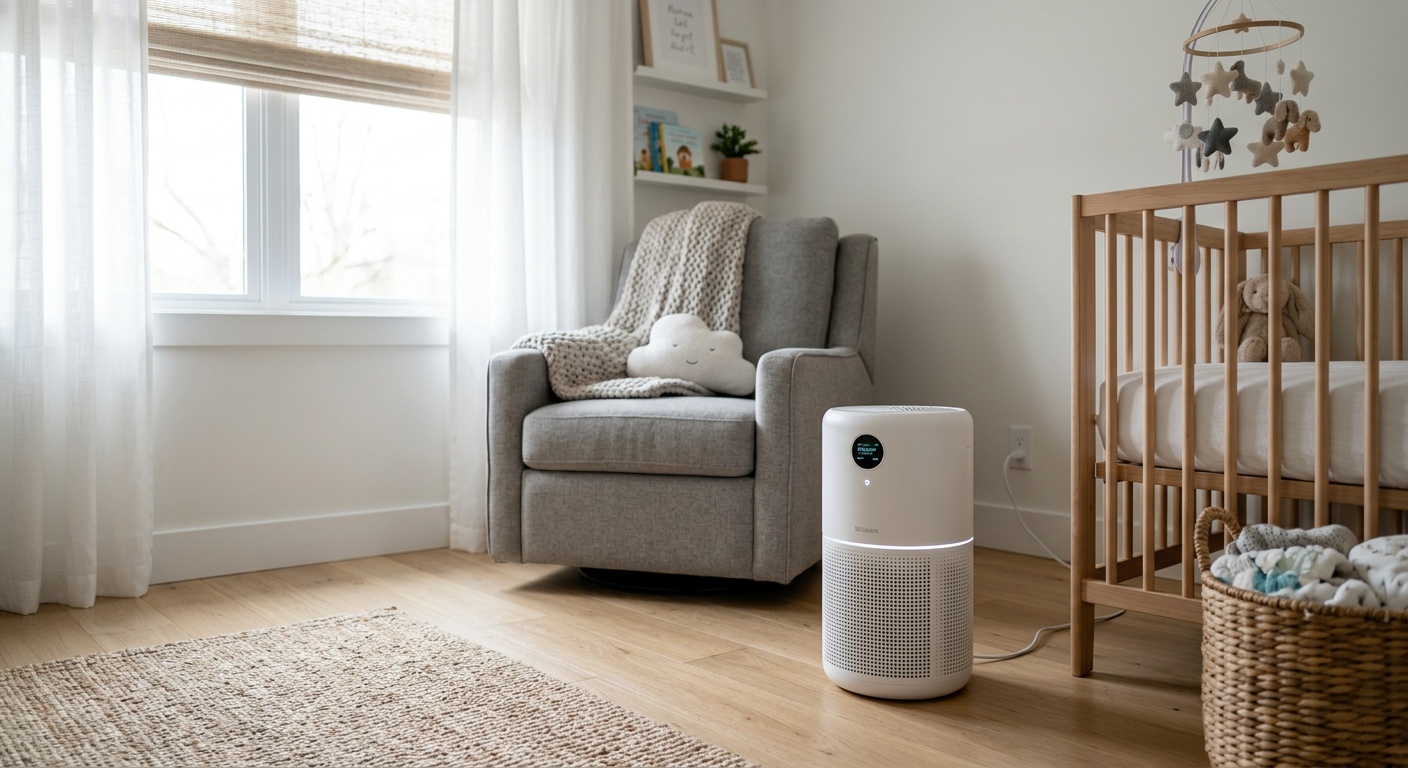
How to Improve Indoor Air Quality for Newborns
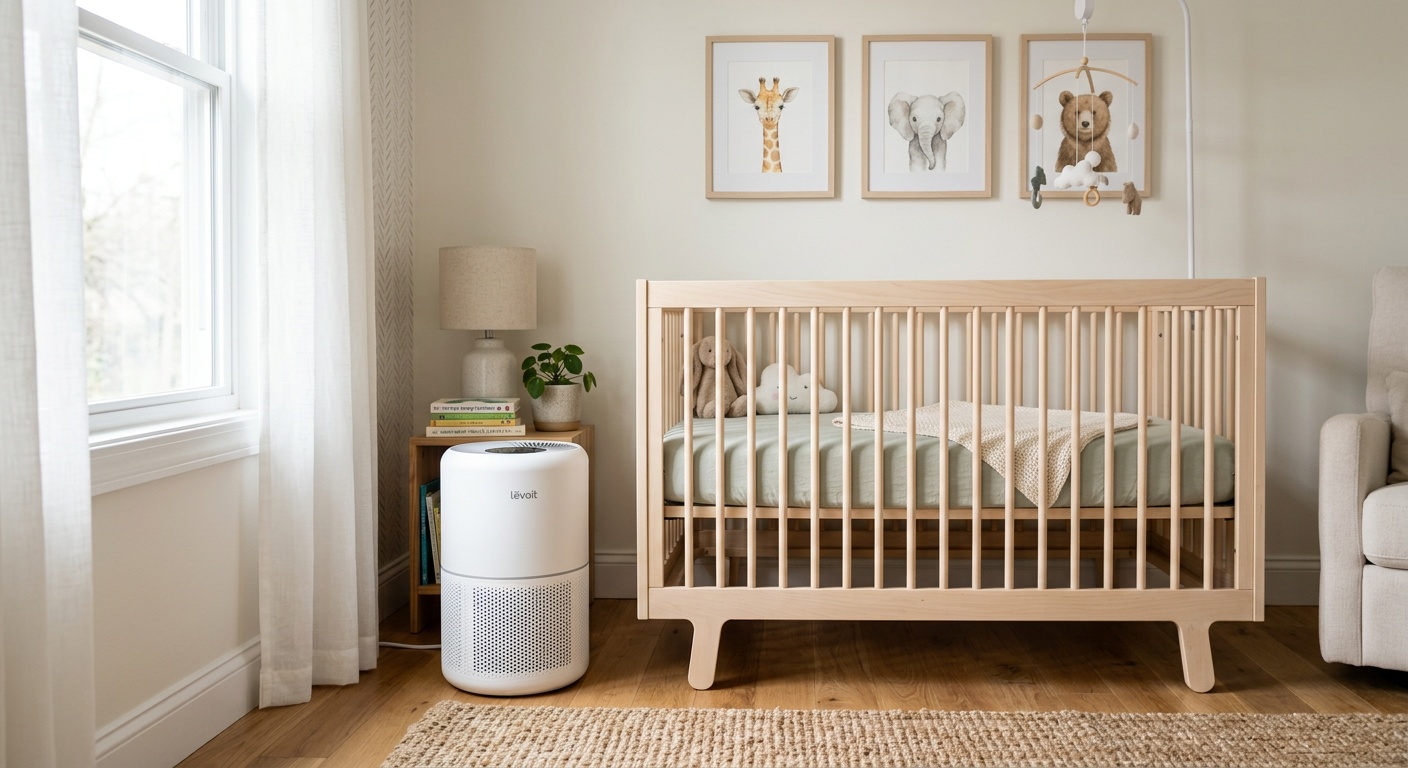
How to Improve Indoor Air Quality for Newborns: A Parent’s Complete Guide
Reading time: 14 minutes
The moment you bring your newborn home, the world suddenly looks different. Every surface, every product, every breath of air becomes a subject of intense parental scrutiny. And rightfully so — a newborn’s lungs are still developing, their immune systems are fragile, and they spend nearly 90% of their time indoors during the first months of life. What they breathe isn’t a minor detail. It’s a foundational health decision.
Here’s the straight talk: Most parents worry about obvious hazards — car seat safety, soft bedding, temperature regulation. But indoor air quality? It often gets overlooked until a baby develops respiratory symptoms, chronic congestion, or unexplained irritability. By then, weeks of exposure have already occurred.
In 2026, the science on infant respiratory health and indoor air pollution has become both more alarming and more actionable than ever. The World Health Organization now estimates that indoor air can be two to five times more polluted than outdoor air in developed countries, and newborns — with their faster breathing rates and proportionally larger air intake relative to body weight — bear the heaviest burden of this hidden hazard.
This guide cuts through the noise. No vague advice, no generic checklists. Just precise, parent-tested, science-backed strategies to help you build the cleanest possible breathing environment for your newborn from day one.
Table of Contents
- Why Indoor Air Quality Matters More Than You Think
- Common Indoor Pollutants in the Newborn’s Environment
- Setting Up the Nursery: An Air Quality First Approach
- Air Purifiers and Filtration: What Actually Works
- Humidity and Ventilation: The Often-Missed Factors
- Everyday Habits That Make or Break Air Quality
- Air Quality Factor Comparison
- Frequently Asked Questions
- Your Newborn’s Clean Air Action Plan
Why Indoor Air Quality Matters More Than You Think
Newborns breathe at a rate of 40 to 60 breaths per minute — roughly double an adult’s resting rate. This means in the same hour, your baby is processing twice the air volume relative to their tiny body size. Any contaminant present in that air is therefore hitting their system at a disproportionately high concentration.
A 2025 longitudinal study published in the Journal of Pediatric Respiratory Health tracked 4,200 infants across twelve countries and found that those raised in homes with measurably elevated particulate matter (PM2.5) were 34% more likely to develop wheezing conditions by age two, and 22% more likely to receive an asthma diagnosis by age five. These aren’t abstract statistics — they represent real breathing struggles for children whose earliest developmental environment quietly undermined their lung function.
Quick scenario: Imagine a couple preparing a nursery in a newly renovated apartment. They’ve chosen beautiful hardwood floors, fresh paint, new furniture, and thick blackout curtains. Everything looks perfect. What they don’t realize is that every single one of those choices — the adhesives in the flooring, the off-gassing paint, the pressed-wood furniture, the chemical treatments in the curtains — has introduced a cocktail of volatile organic compounds into the room where their baby will spend 16 hours a day sleeping and breathing.
This is the invisible challenge that most parenting guides don’t cover in enough depth. But understanding it is the first step to solving it strategically rather than reactively.
Common Indoor Pollutants in the Newborn’s Environment
Particulate Matter and Biological Contaminants
Particulate matter (PM2.5 and PM10) includes dust, pet dander, pollen fragments, and smoke particles small enough to penetrate deep lung tissue. In homes with pets, carpeting, or inadequate ventilation, PM2.5 levels can consistently exceed WHO guidelines of 15 micrograms per cubic meter. For a newborn, whose alveoli are still multiplying and maturing through the first two years of life, sustained PM2.5 exposure can impair the very architecture of lung development.
Biological contaminants present another major challenge. Mold spores, dust mite allergens, and bacteria thrive in environments where humidity exceeds 60%. A nursery with inadequate air circulation can become a breeding ground for these irritants within weeks — especially in climates with high outdoor humidity or in homes with poor bathroom ventilation that allows moisture to migrate.
Chemical Off-Gassing: The Silent Nursery Hazard
New products off-gas most intensively during their first weeks in a space. This includes:
- Furniture and cabinetry made from particleboard, MDF, or plywood using formaldehyde-based adhesives
- Wall paint containing VOCs — even products marketed as “low VOC” can still emit measurable chemicals at elevated temperatures
- Mattresses and bedding treated with flame retardants or water-repellent coatings
- Cleaning products and air fresheners that release terpenes reacting with indoor ozone to form secondary pollutants
- Carpet and padding containing styrene-butadiene rubber and 4-phenylcyclohexene
A practical example: In 2025, a consumer advocacy group tested 22 popular nursery cribs purchased in the United States and found that 14 of them — including several premium brands — emitted formaldehyde levels above 0.1 ppm during the first month of use. That’s a level the EPA classifies as potentially irritating to the eyes, nose, and throat of healthy adults. For newborns, the threshold for concern is considerably lower.
Carbon Dioxide and Oxygen Dynamics
In small, tightly sealed rooms — which modern energy-efficient homes increasingly are — CO2 accumulation from breathing can become a subtle but real issue. Research from 2024 demonstrated that CO2 levels in poorly ventilated nurseries can reach 1,500 to 2,000 ppm overnight when doors are kept closed. While not acutely dangerous, elevated CO2 is associated with reduced sleep quality and cognitive alertness — even in infants.
Setting Up the Nursery: An Air Quality First Approach
Most parents design their nursery around aesthetics and function — where the crib goes, how the changing table is positioned, which color palette soothes the eye. An air quality first approach means layering these decisions with a pollution-reduction mindset from the very beginning.
The 30-Day Pre-Arrival Rule
Whenever possible, set up the nursery at least 30 days before the baby’s expected arrival. This single strategy dramatically reduces your infant’s exposure to peak off-gassing from new furniture, paint, and flooring. During this period:
- Keep windows open as much as weather permits to flush out VOC-laden air
- Run an air purifier continuously to capture particulate matter and help oxidize some gaseous pollutants
- Maintain room temperature at the higher end of comfort (around 72–75°F / 22–24°C), as warmth accelerates off-gassing — paradoxically, getting this done before the baby arrives reduces their later exposure
- Avoid placing soft furnishings that trap dust until closer to the arrival date, then wash them before use
Material choices matter enormously. When selecting nursery furniture, look for GREENGUARD Gold certified products — these are tested to meet strict chemical emission limits specifically designed for children’s environments. In 2026, this certification has expanded to include stricter formaldehyde sub-limits than its predecessor standard, making it a more reliable benchmark than it was even three years ago.
Flooring, Paint, and Walls
Hard flooring (hardwood, tile, linoleum) is consistently easier to keep clean and harbors fewer dust mites and allergens than carpet. If carpet already exists, a high-quality HEPA vacuum used at least twice per week significantly reduces the particle load. For paint, choose products certified as zero-VOC (not merely low-VOC), and allow at least three weeks of ventilation before occupancy. Some parents opt for natural mineral-based paints, which have essentially no organic chemical content.
Air Purifiers and Filtration: What Actually Works
The air purifier market has expanded dramatically by 2026, with hundreds of products making impressive claims. Cutting through marketing language requires understanding what filtration mechanisms actually address which pollutants.
HEPA Filtration: The Non-Negotiable Foundation
True HEPA filters (defined as capturing 99.97% of particles 0.3 microns and larger) remain the gold standard for particulate removal. For a newborn’s room, a True HEPA purifier sized appropriately for the room’s square footage — run continuously on a low or medium setting — provides the most consistent benefit. Look for units with a Clean Air Delivery Rate (CADR) of at least 150 for rooms up to 300 square feet.
Activated Carbon: Addressing Gases and Odors
HEPA alone doesn’t capture gases, VOCs, or odors. A combination unit with a substantial activated carbon layer (look for at least 2–3 pounds of carbon, not just a thin mesh) addresses these chemical pollutants. In newly furnished nurseries, this component is arguably as important as the HEPA element.
What to Avoid
- Ozone generators — ozone is a lung irritant even at low concentrations and should never be used around infants
- Ionizers that produce ozone as a byproduct — check specifications carefully
- UV-C light systems as the primary purification method — useful as a supplement but not a standalone solution for particles or gases
Beyond mechanical filtration, many parents wonder about cooling appliances. If you’re considering whether is air cooler good for babies — the answer depends heavily on the type of device, the humidity level in your home, and how it’s maintained. Evaporative coolers, for instance, can increase humidity and potentially encourage mold growth in already humid climates, while standard air conditioners with clean, regularly replaced filters can actually help remove particles from circulating air.
Humidity and Ventilation: The Often-Missed Factors
Air quality isn’t only about what particles or chemicals are present — it’s also about the moisture content of the air and how frequently fresh air enters the space. These two factors dramatically influence both the concentration of existing pollutants and the growth of biological ones.
The Ideal Humidity Range for Newborns
The American Academy of Pediatrics and most respiratory health organizations agree on a target indoor humidity range of 40% to 50% for infant rooms. Below 30%, nasal passages dry out, making babies more susceptible to respiratory infections and making it harder for their airways to clear naturally. Above 60%, dust mite populations explode and mold becomes a genuine risk within weeks.
In 2026, smart humidity monitors have become remarkably affordable — quality devices that continuously track and log both temperature and relative humidity are available for under $30. This is genuinely worth the investment. Parents who can see real-time humidity data are far more likely to make timely adjustments than those relying on general seasonal assumptions.
If your home is naturally dry (common in cold-winter climates or air-conditioned environments), a cool-mist humidifier with daily water changes and weekly deep cleaning prevents bacterial buildup. Warm-mist humidifiers are not recommended in baby’s rooms due to the burn risk from the heating element. If your home runs humid, a dehumidifier or air conditioner cycling is the better solution.
Ventilation Strategy: Fresh Air Without Outdoor Pollutants
Mechanical ventilation — the engineered movement of air through a building — is increasingly standard in new construction by 2026, partly driven by tighter energy efficiency standards that would otherwise seal buildings too completely. Heat Recovery Ventilators (HRVs) and Energy Recovery Ventilators (ERVs) allow fresh air to enter while recovering thermal energy, maintaining indoor temperature stability. For parents in newly built homes, checking whether this system is properly maintained and its filters changed regularly is an underrated priority.
For older homes without mechanical ventilation, strategic window opening — particularly in the early morning hours when outdoor particulate levels and traffic pollution are typically lowest — provides meaningful air exchange without bringing in peak-pollution-period air. Cross-ventilation, achieved by opening windows on opposite sides of the home, is more effective than opening a single window.
One critical caution: if you live in an area with elevated outdoor PM2.5 (near highways, industrial zones, or in regions prone to wildfire smoke, which has increased in frequency through the 2020s), rely more heavily on mechanical filtration and limit window ventilation to low-pollution periods, monitored via local air quality index (AQI) apps.
Everyday Habits That Make or Break Air Quality
Equipment and setup matter enormously, but daily habits can either preserve or rapidly erode the gains you’ve made. This is where the real-world discipline of parenting meets the science of air quality management.
Cleaning Products: The Chemical Trade-Off
Many conventional cleaning products — disinfectant sprays, scented surface cleaners, fabric softeners — release a significant load of VOCs and fine aerosol particles. The irony is that cleaning the nursery with these products can temporarily spike indoor pollution levels higher than if you hadn’t cleaned at all. Practical alternatives include:
- Unscented, fragrance-free cleaners for all surfaces in and around the nursery
- Simple diluted white vinegar and water for non-porous surfaces (note: not effective against all pathogens, but dramatically reduces chemical load)
- Steam cleaning for floors and upholstery — kills biological contaminants without any chemical residue
- Microfiber cloths, which trap dust mechanically without requiring chemical sprays
Cooking and Kitchen Ventilation
Cooking — especially frying, broiling, or using gas burners — produces significant PM2.5, nitrogen dioxide, and ultrafine particles that can rapidly distribute throughout a home. A 2025 Stanford Environmental Health study found that cooking on gas stoves without range hood ventilation can raise indoor PM2.5 to levels comparable to a moderately smoky outdoor environment within 15 minutes. Using your range hood consistently (vented to the exterior, not recirculating) and keeping the nursery door closed during cooking sessions provides meaningful protection.
Shoes, Pets, and Tracking Pollutants Indoors
Shoes carry outdoor pesticides, heavy metal particles, pollen, and biological contaminants directly into the home. A consistent no-shoes-indoors policy — particularly enforced near the nursery — is one of the highest-impact, zero-cost air quality interventions available. Similarly, if pets share the home, keeping them out of the nursery, using a vacuum with a sealed HEPA filtration system, and washing pet bedding weekly significantly reduces dander load in the air.
Candles, Incense, and Air Fresheners
These deserve their own explicit warning. Burning candles — including soy and beeswax varieties — produces ultrafine particles and combustion byproducts. Incense generates some of the highest indoor PM2.5 concentrations measured in residential settings. Plug-in air fresheners and aerosol sprays release VOCs continuously. None of these belong in or near a newborn’s breathing space. If you’re seeking fragrance or ambiance, open windows or use unscented essential oil diffusers only in rooms well away from the nursery, with the nursery door closed.
Air Quality Factor Comparison
Comparative Impact of Key Air Quality Interventions
| Intervention | Pollutants Addressed | Effectiveness | Cost Level | Ease of Implementation |
|---|---|---|---|---|
| True HEPA Air Purifier | PM2.5, allergens, mold spores | Very High | Medium ($150–$400) | Easy (plug and run) |
| No-Shoes-Indoors Policy | Pesticides, heavy metals, pollen | High | Free | Very Easy |
| 30-Day Pre-Arrival Off-Gassing | VOCs, formaldehyde | High | Free | Moderate (requires planning) |
| Humidity Control (40–50% RH) | Mold, dust mites, dry air irritation | Very High | Low–Medium | Easy with monitor |
| Eliminating Chemical Cleaners | VOCs, aerosol particles | Moderate–High | Comparable to conventional | Easy |
Relative Air Quality Impact by Intervention (Estimated PM2.5 Reduction)
True HEPA Air Purifier (continuous)
No-Shoes Policy
Range Hood Ventilation During Cooking
Eliminating Candles and Incense
30-Day Pre-Arrival Off-Gassing
Frequently Asked Questions
Can indoor plants actually improve air quality in a newborn’s room?
The short answer: not meaningfully, and potentially with some risk. The famous 1989 NASA study on houseplants and air purification has been widely misrepresented — subsequent research, including a comprehensive 2019 analysis in the Journal of Exposure Science and Environmental Epidemiology, found that you would need between 10 and 1,000 plants per square meter to achieve the VOC removal equivalent of simply opening a window for a few minutes. In practice, houseplants introduce moisture that can encourage mold growth in the soil, and some common varieties are toxic if ingested. For a newborn’s room, a quality mechanical air purifier provides far more reliable and measurable benefit.
How often should I replace the filters in my nursery air purifier?
Most True HEPA filters require replacement every 12 to 18 months under continuous use, but this varies significantly by manufacturer and air quality conditions. In environments with high dust, pet dander, or elevated outdoor pollution, filters may load faster — some purifiers have indicator lights, but a reliable rule of thumb is to visually inspect the filter every three months. Activated carbon filters typically need replacing more frequently, every 6 to 12 months, as carbon saturation doesn’t always coincide with visible discoloration. Running a clogged or saturated filter reduces efficiency without warning — the fan still runs, but filtration drops substantially. Set a calendar reminder rather than relying on memory.
Is it safe to use a baby monitor that includes air quality sensing?
By 2026, several popular baby monitors have integrated air quality sensors measuring VOCs, CO2, and particulate matter. These can be genuinely useful for trend monitoring — alerting you when VOC levels spike after painting or when humidity climbs overnight. However, consumer-grade sensors vary significantly in calibration accuracy and should be treated as directional guides rather than precise measurements. If your monitor consistently shows elevated readings, that’s a meaningful signal to investigate ventilation and potential sources. They are not, however, a substitute for dedicated professional air quality monitoring if you suspect serious contamination like radon or carbon monoxide, which require certified testing equipment.
Your Newborn’s Clean Air Action Plan: First 90 Days
You’ve navigated the science. You understand the sources, the solutions, and the nuances. Now let’s turn knowledge into a clear, sequential roadmap that works with the reality of new parenthood — where time and energy are both in short supply.
Here’s what genuinely matters, in order of priority:
- Before baby arrives (30+ days out): Set up the nursery fully, run ventilation continuously, and start your HEPA purifier on high for the first week, then drop to low. This single step addresses the highest-concentration off-gassing window.
- Week 1 home: Install a humidity monitor and calibrate your humidifier or dehumidifier response. Implement the no-shoes policy firmly from day one — it’s much harder to introduce later as a habit.
- Weeks 2–4: Audit your cleaning products and replace anything scented or aerosol-based with fragrance-free alternatives. This is also when to evaluate cooking ventilation habits and make them consistent.
- Month 2: Assess whether pet management protocols are working. If allergies or congestion symptoms appear, tighten the boundaries and step up vacuuming frequency before assuming respiratory illness.
- Month 3 and ongoing: Schedule filter checks, review AQI data for your area seasonally, and reassess as your baby’s environment evolves — when they start crawling, the floor-level air quality they breathe from becomes the priority.
The broader implication here extends beyond one household: as awareness of early-life environmental exposures grows in 2026 and beyond, clean indoor air is increasingly recognized not as a luxury but as a basic dimension of pediatric health equity. The choices you make in these first months don’t just protect your child today — they shape respiratory resilience that research suggests can last a lifetime.
So, as you hold your newborn and watch them breathe in the world they’ve just entered — what’s the first change you’re going to make to ensure what they’re breathing in is as safe as the arms holding them?