Best Carpet Cleaning Methods to Remove Household Allergens
Best Carpet Cleaning Methods to Remove Household Allergens
Reading time: 12 minutes
If you’ve ever woken up with a stuffy nose, itchy eyes, or a persistent cough — and you can’t blame a cold — your carpet might be the silent culprit. Carpets are cozy, warm, and aesthetically pleasing, but they’re also one of the most significant allergen traps in any home. Dust mites, pet dander, mold spores, pollen, and even bacteria set up thriving colonies deep within carpet fibers, far beyond the reach of a standard vacuum cleaner.
Here’s the straight talk: most people underestimate how much their carpet affects their indoor air quality. According to the American Lung Association’s 2025 Indoor Air Quality Report, carpets can hold up to four times their weight in dirt, allergens, and debris — and routine vacuuming removes only about 50–60% of surface-level contaminants. The rest? It stays embedded, continuing to trigger allergic reactions every time someone walks across the floor.
The good news is that the right cleaning methods — applied consistently and strategically — can dramatically reduce allergen levels and transform your home into a genuinely healthier space. This guide breaks down exactly how to do that, whether you’re managing a mild seasonal allergy or dealing with chronic asthma in the household.
Table of Contents
- Why Carpets Are Allergen Hotspots
- Top Carpet Cleaning Methods Compared
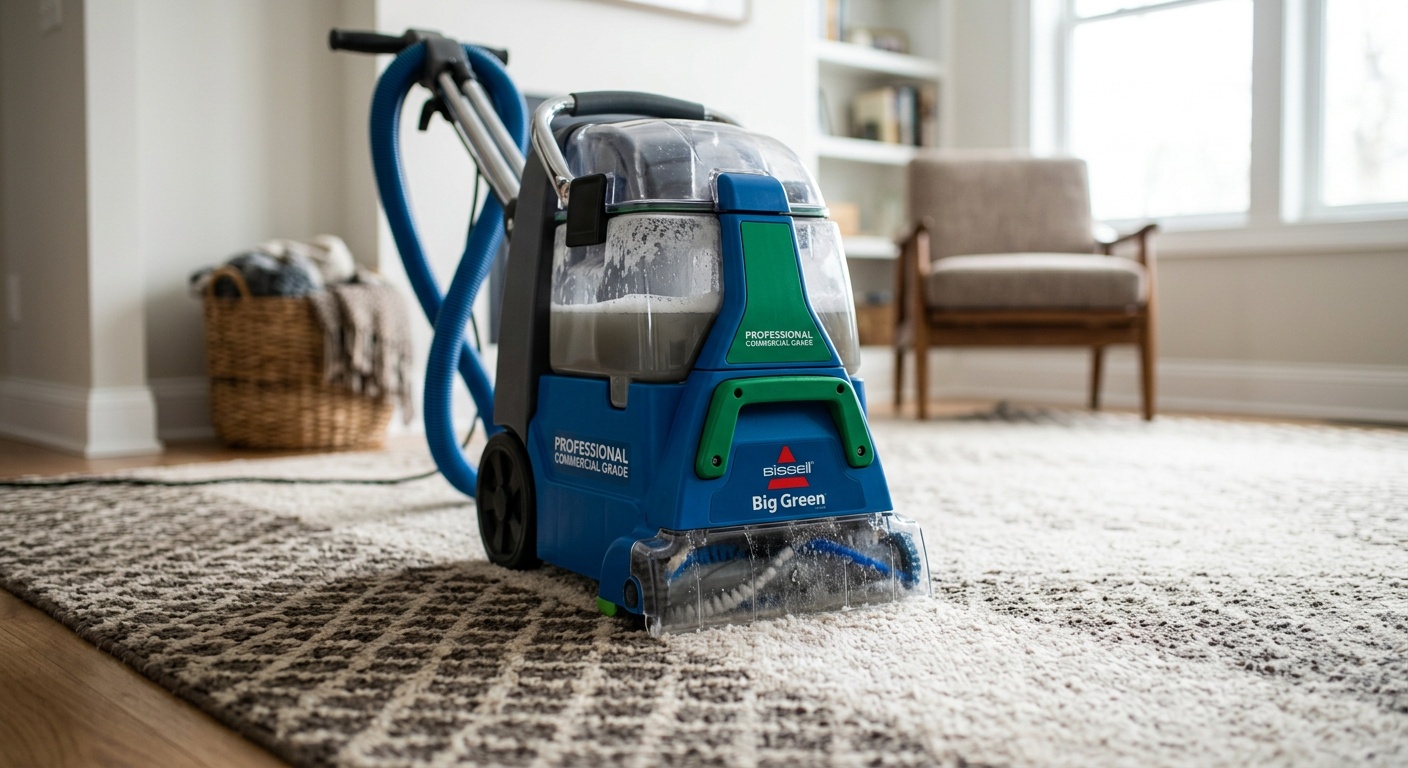
- Steam Cleaning: The Gold Standard
- Dry Powder & Low-Moisture Methods
- Vacuuming Done Right: More Than You Think
- DIY vs. Professional Cleaning
- Practical Tips to Maximize Allergen Reduction
- Frequently Asked Questions
- Your Clean Air Action Plan
Why Carpets Are Allergen Hotspots
Think of your carpet as an enormous filter — one that never gets replaced. Every day, it captures airborne particles that drift down from the air: pollen tracked in from outside, skin cells shed by humans and pets, mold spores from damp areas, and dust mite fecal matter (yes, that’s a thing, and yes, it’s as problematic as it sounds). Unlike hard floors, where allergens sit on the surface and can be swept away, carpet fibers physically entrap these particles, creating a reservoir that standard cleaning barely scratches.
According to a 2025 study published in the Journal of Environmental Health Perspectives, homes with wall-to-wall carpeting had, on average, 35% higher concentrations of settled dust allergens compared to homes with hard flooring — but only in households that didn’t use targeted deep-cleaning protocols. That distinction matters enormously. A well-maintained carpet can actually perform better than a hard floor in trapping allergens temporarily, preventing them from becoming airborne — but only if those allergens are regularly removed.
The Main Allergen Offenders Hiding in Your Carpet
- Dust mites: Microscopic arachnids that feed on shed skin cells. Their droppings are among the most potent indoor allergens known to trigger asthma and rhinitis.
- Pet dander: Tiny, jagged protein particles shed from animal skin, saliva, and urine. They attach deeply to carpet fibers and remain potent for months.
- Mold spores: Thrive in carpets exposed to moisture — from spills, humidity, or improper cleaning that leaves fibers wet.
- Pollen: Tracked in on shoes and clothing, pollen settles into carpet and can remain allergenic for extended periods.
- Cockroach allergens: In urban environments especially, cockroach droppings and body parts are a significant but often overlooked carpet allergen.
Understanding what you’re fighting helps you choose the right weapon. Not every allergen responds to the same cleaning method, which is why a multi-pronged approach almost always outperforms any single technique.
Top Carpet Cleaning Methods Compared
Before diving into the specifics, here’s a side-by-side comparison of the most widely used carpet cleaning methods evaluated for allergen removal effectiveness, cost, drying time, and suitability for allergy sufferers.
| Method | Allergen Removal | Avg. Cost (2026) | Drying Time | Best For |
|---|---|---|---|---|
| Hot Water Extraction (Steam) | Excellent (90–95%) | $150–$400/room | 6–24 hours | Deep allergen removal, dust mites |
| HEPA Vacuuming | Good (50–65%) | Equipment: $200–$800 | Immediate | Routine maintenance, pollen, dander |
| Dry Powder / Encapsulation | Moderate (40–60%) | $80–$200/room | 30–60 minutes | Moisture-sensitive carpets |
| Bonnet Cleaning | Low–Moderate (30–45%) | $100–$250/room | 1–2 hours | Surface soil in commercial settings |
| Shampooing | Moderate (55–70%) | $100–$300/room | 4–12 hours | Heavily soiled carpets |
The data above reflects 2026 market averages based on industry pricing surveys from the Institute of Inspection, Cleaning and Restoration Certification (IICRC). Costs vary by region, carpet type, and room size, but the effectiveness rankings are consistent across multiple peer-reviewed studies.
Steam Cleaning: The Gold Standard for Allergen Removal
Despite its name, what most people call “steam cleaning” is technically hot water extraction (HWE) — and it’s the method most consistently recommended by allergists, the Asthma and Allergy Foundation of America (AAFA), and the IICRC for households with allergy sufferers. Here’s why it works so well.
Hot water extraction injects water heated to 150–200°F (65–93°C) deep into carpet fibers under high pressure, then immediately extracts it along with dissolved dirt, allergens, and microorganisms. The heat alone is lethal to dust mites — they die at temperatures above 130°F (54°C). Unlike surface-only methods, HWE reaches the carpet backing where mite colonies are densest.
A Real-World Example: The Martinez Family Case Study
Consider the experience of the Martinez family in Phoenix, Arizona, documented in a 2025 allergy management case study. Their eight-year-old daughter suffered from moderate persistent asthma with significant dust mite sensitivity. Despite regular vacuuming, her nighttime symptoms remained poorly controlled. After a professional hot water extraction treatment targeting the bedroom carpet and living room — followed by application of a tannic acid-based allergen neutralizer — her allergist recorded a 47% reduction in measured dust mite allergen (Der f 1) levels in a follow-up environmental assessment six weeks later. Her rescue inhaler usage dropped by more than half.
This isn’t unusual. Multiple clinical environments support similar outcomes when HWE is combined with proper drying and follow-up HEPA vacuuming. The key variables are water temperature, extraction power, and — critically — ensuring carpets dry within 6–8 hours to prevent mold growth.
Steam Cleaning Best Practices
- Pre-vacuum thoroughly before steam cleaning to remove loose debris that would otherwise create muddy water and reduce efficiency.
- Use certified equipment that heats water to at least 150°F to ensure dust mite kill rates above 90%.
- Ensure rapid drying: Open windows, run fans, or use a dehumidifier. Carpets damp for more than 24 hours risk mold colonization — which trades one allergen problem for another.
- Avoid over-wetting: Too much moisture saturates the carpet backing and subfloor, creating ideal mold conditions.
- Follow with HEPA vacuuming once dry to capture any allergens dislodged but not fully extracted during the process.
Dry Powder & Low-Moisture Methods: When Steam Isn’t the Answer
Not every carpet can handle hot water extraction. Antique rugs, natural fiber carpets like wool or sisal, or carpets in high-humidity climates where drying is a challenge benefit from low-moisture or dry methods. These approaches sacrifice some allergen removal depth in exchange for significantly faster turnaround and zero moisture risk.
Dry compound cleaning works by spreading an absorbent powder (often made from organic materials like cornstarch or plant cellulose, treated with mild solvents and detergents) across the carpet. The compound is worked into the fibers using a counter-rotating brush machine, attracting dirt and allergens to its surface. It’s then vacuumed out — ideally with a HEPA vacuum. The entire process takes less than an hour, with virtually no drying time.
Encapsulation cleaning applies a polymer-based solution that crystallizes around soil particles and allergen-carrying debris as it dries. Once hardened, these crystals are easily vacuumed away during regular maintenance. While encapsulation won’t eliminate deep-embedded mite colonies with the same effectiveness as HWE, it’s excellent for routine maintenance between deeper cleans and for managing pollen and light dander accumulation.
Pro Tip: For households with severe dust mite allergies, a combination strategy works best — HWE every 6 months, supplemented by monthly encapsulation or dry compound treatments to prevent allergen buildup between deep cleans.
Vacuuming Done Right: More Than You Think
Here’s a humbling fact: most people vacuum incorrectly — at least from an allergen-removal perspective. Using the wrong vacuum, moving too fast, or vacuuming infrequently enough can actually worsen allergen dispersion by disturbing settled particles and launching them back into breathing air.
The single most important upgrade you can make to your vacuuming routine is switching to a vacuum with a True HEPA filter. True HEPA filtration (as defined by DOE standards) captures 99.97% of particles 0.3 microns or larger — a size range that includes dust mite fecal particles, pet dander, and most mold spores. Standard bag or cyclone vacuums without HEPA filtration recirculate a significant fraction of fine particles back into the room air.
The Right Vacuuming Protocol for Allergy Reduction
- Frequency: Vacuum high-traffic areas and pet zones at least 3 times per week. Bedrooms, where dust mite exposure during sleep is highest, warrant daily vacuuming if allergies are severe.
- Speed: Slow down. Moving too fast reduces the contact time between the suction head and carpet fibers, significantly reducing particle uptake. Each pass should take 3–4 seconds per foot.
- Multi-directional passes: Vacuum in overlapping passes from multiple directions to agitate and dislodge deeply embedded particles.
- Emptying the canister: Do this outdoors or while wearing a mask. Opening a full canister indoors releases a concentrated cloud of captured allergens.
- Filter maintenance: Replace or wash HEPA filters according to manufacturer guidelines — typically every 3–6 months. A clogged filter dramatically reduces effectiveness.
In 2025, a consumer testing study by Allergy Standards Limited (ASL) found that vacuums carrying the “asthma & allergy friendly®” certification removed, on average, 62% more fine allergen particles compared to uncertified models — even when controlling for suction power. In 2026, this certification is increasingly considered the minimum standard for allergy-conscious households.
DIY vs. Professional Cleaning: Making the Smart Choice
One of the most common questions allergy sufferers ask is whether renting a carpet cleaning machine and doing it themselves delivers results comparable to hiring a professional service. The honest answer: it depends on what you’re trying to achieve — and what’s already living in your carpet.
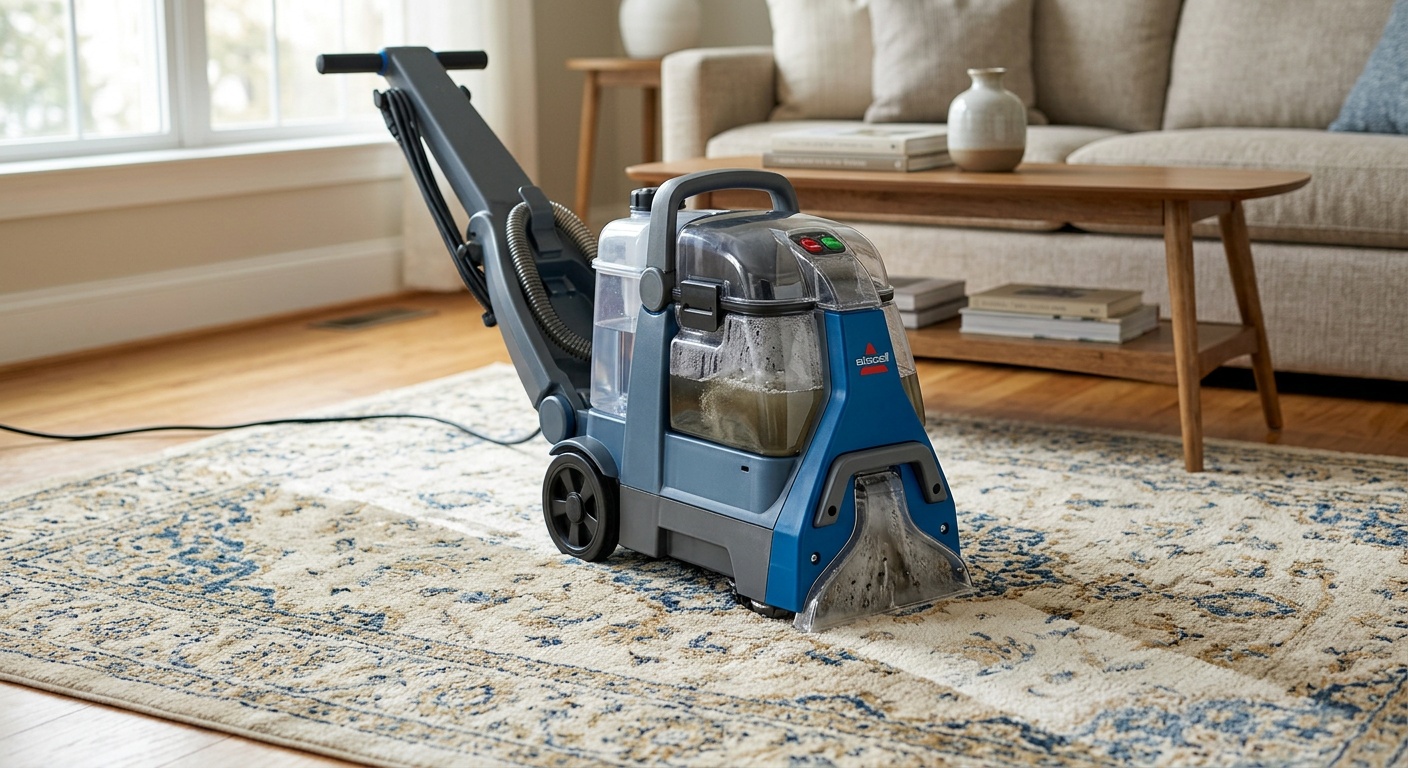
DIY rental machines (available at most hardware and grocery stores for $30–$60/day in 2026) operate at lower water temperatures (typically 100–120°F) and lower extraction suction than professional truck-mounted systems. This means they’re effective for removing surface soil and moderate allergen loads, but they rarely achieve the water temperature needed to kill dust mites reliably, and they leave carpets wetter — increasing mold risk if you don’t manage drying carefully.
Professional hot water extraction using truck-mounted equipment generates water temperatures of 180–200°F and suction power 5–10 times greater than portable rental units. For households with documented allergen sensitivity — especially dust mite or mold allergies — professional cleaning every 6–12 months is a meaningful health investment, not just a luxury.
Consider the example of David Chen, a freelance photographer in Seattle who manages his wife’s severe pet dander allergy while owning two golden retrievers. His strategy in 2026: quarterly professional HWE treatments for the main living areas, combined with a certified HEPA vacuum used daily on bedroom carpets, and monthly DIY encapsulation treatment on stairwells and hallways. His wife’s allergy specialist confirmed stable allergen levels at their last assessment — proof that a layered strategy, rather than any single approach, delivers the best outcomes.
Practical Tips to Maximize Allergen Reduction
Cleaning methods are most effective when they’re part of a broader allergen management ecosystem. Here are targeted, high-impact supplementary strategies that complement your carpet cleaning efforts:
Environmental and Behavioral Strategies
- Implement a no-shoes policy: Research consistently shows that shoes track in 80–90% of outdoor allergens (pollen, mold spores, pesticides). A simple shoe rack at the door with indoor-only footwear dramatically reduces allergen load.
- Control indoor humidity: Dust mites thrive at relative humidity above 50%. Maintaining indoor humidity between 30–45% (using a dehumidifier in humid climates) creates an inhospitable environment for mite reproduction. In 2026, smart home dehumidifiers with allergen-mode settings are available from multiple major brands at accessible price points.
- Use allergen-neutralizing sprays: Products containing tannic acid or benzyl benzoate denature allergen proteins in carpet fibers between cleanings. These aren’t a substitute for deep cleaning, but they meaningfully reduce allergen potency in the interim.
- Wash bedding in hot water weekly: Since bedroom carpet receives the highest dust mite allergen load from bedding shed during sleep, combining carpet care with weekly hot-water laundering of all bedding (130°F or higher) creates a reinforcing protective effect.
- Air purifiers with HEPA filtration: Place certified HEPA air purifiers in bedrooms and main living areas to capture airborne allergens dislodged during activity on carpets. Models covering 400+ square feet are appropriate for most living rooms.
- Groom pets outdoors: If pet dander is a significant trigger, brushing dogs and cats outside removes the most significant source of dander before it reaches carpet fibers.
Allergen Reduction Effectiveness by Method (Visualization)
Based on peer-reviewed research averages, 2025–2026
Frequently Asked Questions
How often should I deep clean my carpet if someone in my household has allergies?
For households with diagnosed allergies or asthma, professional hot water extraction every 4–6 months is the recommended baseline, with monthly HEPA vacuuming (at minimum 3x per week) between sessions. If you have indoor pets, increase professional cleaning frequency to every 3–4 months. The AAFA’s current 2026 guidelines suggest that letting more than 6 months lapse between deep cleanings in allergy-affected households can lead to measurable increases in dust mite allergen levels that correlate with symptom worsening.
Is steam cleaning safe for all carpet types?
Hot water extraction is safe for most synthetic carpets — nylon, polyester, olefin — which represent the majority of modern wall-to-wall installations. However, it is not recommended for natural fiber rugs (wool, silk, jute, cotton) without expert assessment, as excessive moisture and heat can cause shrinkage, dye bleeding, or fiber damage. For these carpets, low-moisture encapsulation or dry compound methods are safer alternatives. Always check the carpet manufacturer’s care recommendations or consult a certified cleaning professional before proceeding.
Can baking soda or other home remedies effectively reduce carpet allergens?
Baking soda is a popular DIY carpet treatment, and while it can help absorb odors and has mild deodorizing properties, it does not significantly reduce allergen levels. It doesn’t denature dust mite proteins, kill mold spores, or remove pet dander particles — it simply masks odors temporarily. For genuine allergen reduction, you need mechanical removal (vacuuming, extraction) or chemical denaturing (tannic acid-based sprays). Baking soda can play a minor supporting role in your overall routine, but it should never be treated as a meaningful allergen control strategy on its own.
Your Clean Air Action Plan: Next Steps That Actually Matter
Managing carpet allergens isn’t a one-time task — it’s an ongoing commitment that pays dividends in health, comfort, and quality of life. The households that successfully reduce allergy burden don’t rely on a single heroic cleaning session; they build layered, consistent habits around proven methods. Here’s your practical roadmap:
- ✅ This week: Audit your vacuum. If it doesn’t carry True HEPA certification, prioritize upgrading. This single change will improve every future vacuuming session immediately.
- ✅ Within 30 days: Schedule a professional hot water extraction treatment for high-use carpet areas — especially bedrooms. Request a post-treatment allergen assessment if your allergist can coordinate one.
- ✅ Ongoing monthly: Implement an encapsulation or dry compound treatment as a maintenance layer between professional deep cleans. Set a calendar reminder — consistency beats intensity.
- ✅ Environmental baseline: Invest in a humidity monitor and aim to keep indoor relative humidity below 50% year-round. In 2026, affordable smart humidity sensors (under $30) integrate with most home automation systems for effortless monitoring.
- ✅ Annual review: Reassess your cleaning schedule as seasons change — spring pollen season and autumn mold spore peaks are the two windows where carpet allergen loads spike most dramatically.
The broader trend is clear: as indoor air quality becomes an increasingly recognized health priority in 2026 — with smart home technology making environmental monitoring more accessible than ever — proactive carpet allergen management is shifting from a niche concern to mainstream household health practice. Allergists and respiratory specialists are increasingly prescribing specific environmental interventions alongside medication, recognizing that source control is often more powerful than pharmacological management alone.
Your carpet doesn’t have to be your enemy. With the right methods, applied consistently, it can be part of a genuinely healthy home environment. The question worth asking yourself today: when did you last give your carpet the deep clean your lungs have been asking for?