Carpet Cleaning Frequency Guide for Asthma and Allergy Sufferers
Carpet Cleaning Frequency Guide for Asthma and Allergy Sufferers
Reading time: 12 minutes
You’ve just finished vacuuming your carpet — again — and yet your morning sneezing fits haven’t let up. Sound familiar? If you’re one of the estimated 339 million people worldwide living with asthma or one of the 400+ million dealing with allergic rhinitis, your carpet might be quietly working against you every single day.
Here’s the uncomfortable truth: carpets are extraordinary traps. They collect dust mites, pet dander, mold spores, pollen, and chemical residues — all of which can trigger respiratory symptoms, skin reactions, and full-blown asthma attacks. But the good news? The right cleaning frequency and strategy can dramatically change how you feel in your own home.
This isn’t about perfection — it’s about precision. Let’s navigate the science, the schedules, and the smart strategies that actually work for sensitive individuals in 2026.
Table of Contents
- Why Carpets Are Allergy Battlegrounds
- The Cleaning Frequency Framework
- Cleaning Methods That Actually Work
- 3 Common Mistakes That Make Allergies Worse
- Carpet Types vs. Allergen Risk: Comparative Table
- Real-World Scenarios: What Works
- Allergen Reduction by Cleaning Method
- Frequently Asked Questions
- Your Action Plan: Breathe Easier Starting Today
Why Carpets Are Allergy Battlegrounds
Before we talk frequency, it helps to understand what you’re actually fighting. A square meter of carpet can harbor up to 100,000 dust mites, according to research consistently cited by the American Academy of Allergy, Asthma & Immunology. These microscopic creatures thrive in the warm, humid environment that carpet fibers provide — and their fecal matter (the actual allergen) is lightweight enough to become airborne the moment you walk across the room.
That’s not all. In 2025, indoor air quality studies conducted across North American and European households found that carpeted rooms contained 35–50% higher concentrations of particulate allergens compared to hard-floored rooms of equivalent size. Every footstep, every pet roll, every gust from an open window releases trapped particles back into the breathing zone.
The Invisible Load Your Carpet Carries
Think of your carpet like a biological sponge. Over the course of a typical week in a household with one pet and two occupants, your carpet accumulates:
- Dust mite colonies — primarily in bedroom and living room carpets where humans spend the most time
- Pet dander — proteins from skin flakes, saliva, and urine that remain potent for months
- Pollen — tracked in from shoes and clothing, especially during spring and fall seasons
- Mold spores — in areas with humidity above 50%, particularly basements and bathrooms
- Volatile Organic Compounds (VOCs) — from cleaning products, off-gassing furniture, and outdoor pollution
Dr. Purvi Parikh, an allergist and immunologist affiliated with NYU Langone Health, has emphasized in multiple 2025 interviews: “For patients with persistent asthma, the home environment — especially flooring — is often the last piece of the puzzle we address, and frequently the most impactful.”
How Allergen Load Affects Symptom Severity
Here’s a concept that’s especially important for asthma sufferers: the allergen threshold effect. Your immune system has a tolerance limit. Below that limit, you may experience mild or no symptoms. Above it, even a small additional exposure — a neighbor’s cat, an outdoor pollen spike — can trigger a full response. Reducing your home’s baseline allergen load keeps you well below that threshold, giving your body room to breathe — literally.
This is precisely why frequency and thoroughness of carpet cleaning matters so much. It’s not just about cleanliness; it’s about managing your body’s cumulative exposure across the entire day.
The Cleaning Frequency Framework
One size absolutely does not fit all when it comes to carpet cleaning schedules for allergy sufferers. Your ideal frequency depends on four key variables: household composition, pet ownership, local climate, and individual sensitivity level. Here’s a practical framework to calibrate your schedule.
Vacuuming: Your First Line of Defense
Vacuuming is non-negotiable — but how often, and with what equipment, makes a dramatic difference. Standard recommendations for sensitive individuals in 2026 are as follows:
- High-sensitivity individuals (severe asthma, multiple allergies): Vacuum 3–4 times per week minimum, with a HEPA-filtered vacuum cleaner
- Moderate sensitivity (seasonal allergies, mild asthma): Vacuum 2–3 times per week
- Pet owners with any allergy or asthma history: Daily vacuuming of high-traffic areas; 3x/week for full coverage
- Households with young children and allergic adults: Daily in playroom areas; 3x/week elsewhere
Pro Tip: Always vacuum when allergy sufferers are out of the room — ideally, let the air settle for 30–60 minutes after vacuuming before re-entering, as particles disturbed during the process temporarily spike in the air.
Deep Cleaning: The Seasonal Reset
Vacuuming removes surface particles, but it doesn’t reach the lower layers of carpet pile where dust mites, mold, and embedded dander reside. Deep cleaning — whether steam cleaning, hot water extraction, or dry encapsulation — is essential for actually reducing the biological load.
For allergy and asthma sufferers, the recommended deep cleaning schedule in 2026 is:
- Every 3 months for households with pets, young children, or anyone with severe respiratory conditions
- Every 4–6 months for moderate sensitivity without pets
- At minimum twice per year — ideally once before spring pollen season and once before winter, when indoor time increases and ventilation decreases
The Asthma and Allergy Foundation of America (AAFA) updated its household management guidelines in early 2026 to specifically recommend quarterly professional hot-water extraction for households with diagnosed pediatric asthma — a notable shift from their previous bi-annual recommendation.
Spot Treatment and Immediate Spill Response
Moisture is the enemy. Any liquid spill that isn’t dried within 24–48 hours creates an ideal environment for mold growth in carpet backing. For allergy sufferers, the rule is simple: treat spills immediately, extract moisture aggressively, and dry completely. Use a fan or dehumidifier to ensure no residual dampness remains.
Cleaning Methods That Actually Work
Not all cleaning methods are created equal when allergen reduction is the goal. Let’s break down the most effective options available in 2026.
HEPA Vacuum Cleaners
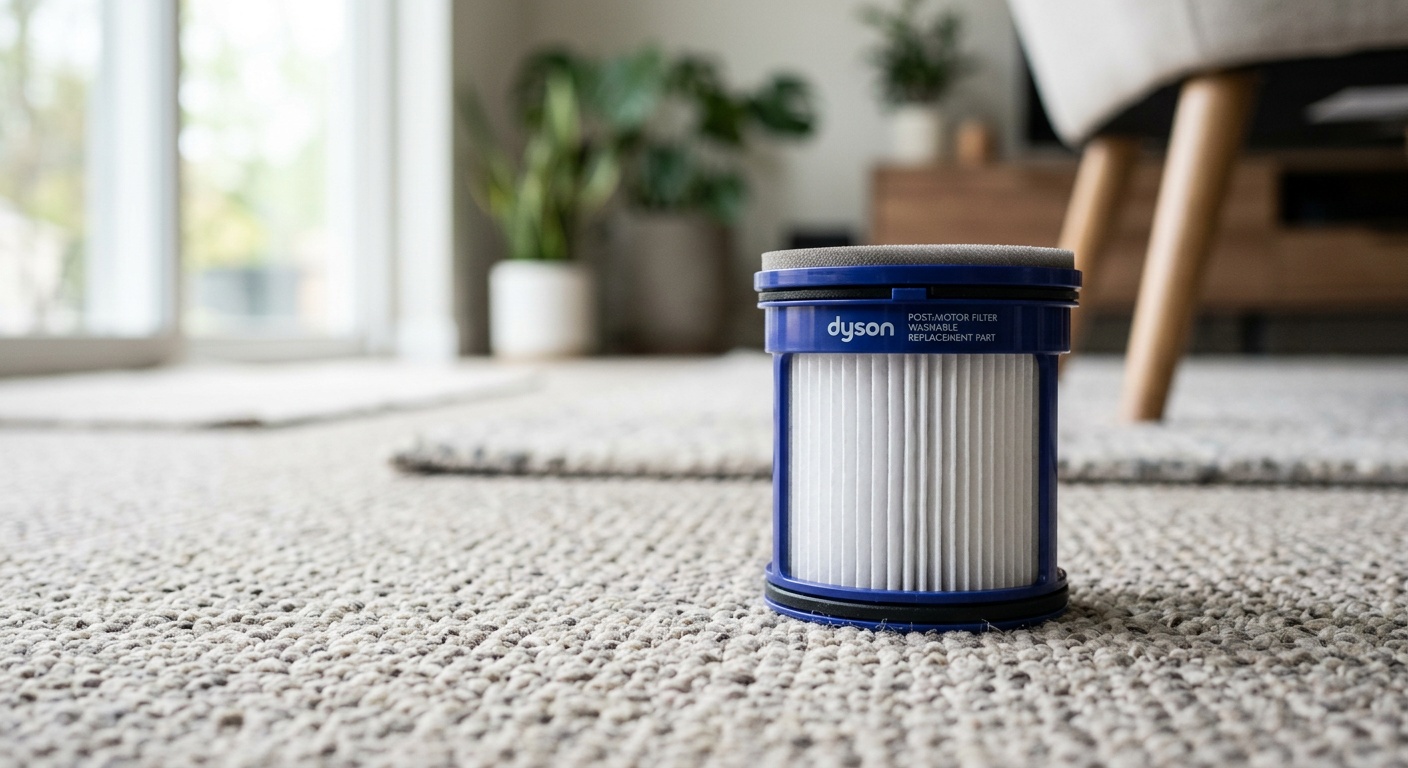
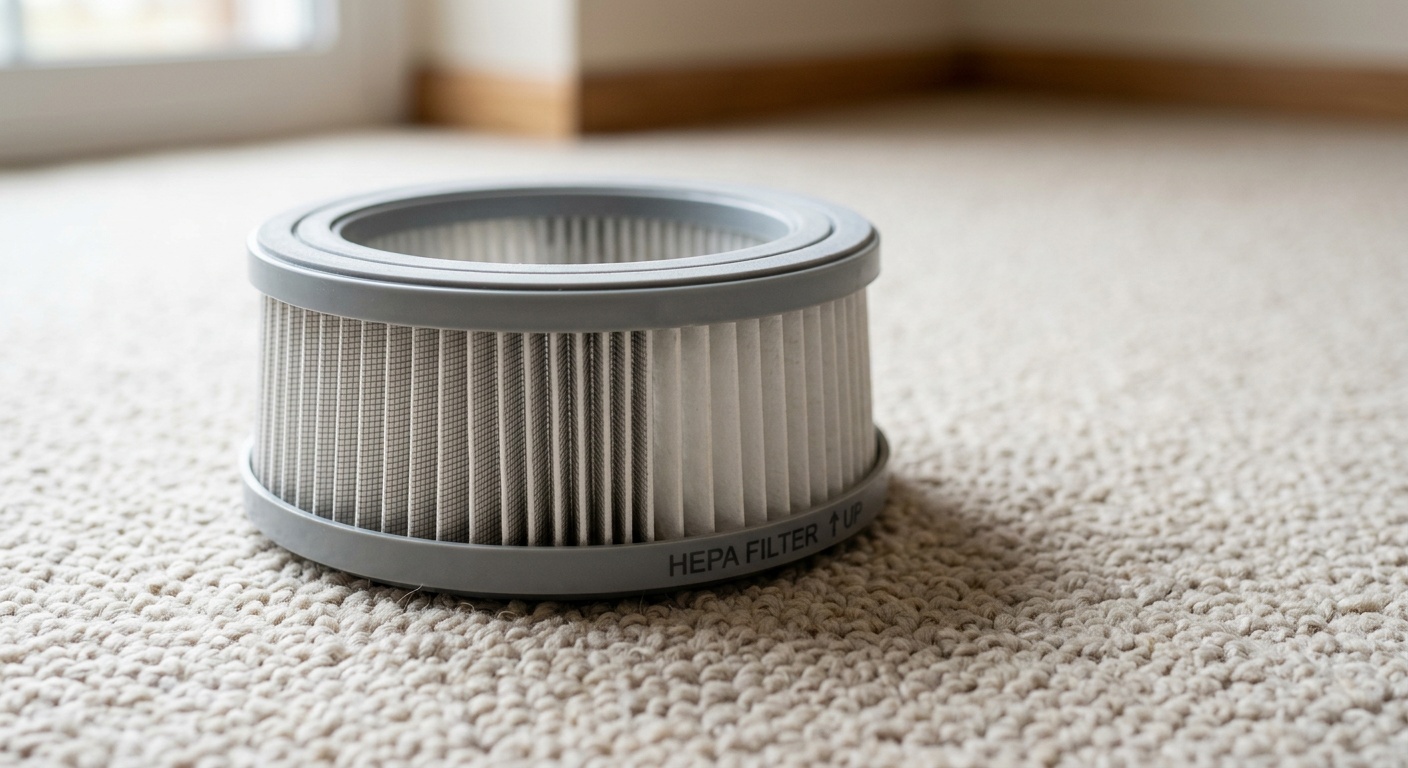
A vacuum without a HEPA filter is almost counterproductive for allergy sufferers — it picks up particles and redistributes the finest, most allergenic ones back into the air through the exhaust. In 2026, True HEPA certification (capturing 99.97% of particles 0.3 microns or larger) should be your minimum standard. Several major brands — including Miele, Dyson, and Shark — now offer models with sealed HEPA systems specifically marketed toward asthma households.
Hot Water Extraction (Steam Cleaning)
Hot water extraction remains the gold standard for deep allergen removal. Water heated to 200°F or above kills dust mites on contact, and the extraction process physically removes allergen particles from deep within the pile. A 2025 peer-reviewed study published in the Journal of Allergy and Clinical Immunology found that professional hot water extraction reduced detectable dust mite allergen levels by 87–92% immediately post-treatment, with levels remaining significantly reduced for 8–12 weeks in low-humidity environments.
Important caveat: Improper drying after steam cleaning can promote mold growth. Always ensure carpets dry completely within 6–8 hours — use commercial fans, open windows, or a dehumidifier. Never steam clean in humid conditions without active drying support.
Dry Encapsulation Cleaning
This newer method uses crystallizing polymers that surround and encapsulate dirt and allergen particles, which are then vacuumed away after drying. The significant advantage? No moisture — drying time is near zero, eliminating mold risk. It’s particularly well-suited for asthma sufferers in humid climates or those who cannot ventilate effectively. While slightly less effective than hot water extraction for deep mite removal, it’s an excellent option for maintenance cleaning between deeper treatments.
Anti-Allergen Sprays and Treatments
Products containing tannic acid or benzyl benzoate can denature dust mite allergens on contact and are available as spray treatments for carpets. These are not replacements for physical cleaning but serve as useful supplements. Apply after vacuuming, allow to dry fully, and repeat every 3 months. Check for AAFA certification on any product you choose, as some sprays contain fragrances or chemical compounds that can themselves trigger asthma symptoms.
3 Common Mistakes That Make Allergies Worse
Even well-intentioned cleaning routines can backfire. Here are the three most impactful errors allergy and asthma sufferers make — and how to correct them.
Mistake #1: Using Scented Cleaning Products
That “fresh linen” or “mountain breeze” scent in carpet shampoos? For many asthma sufferers, synthetic fragrances are potent airway irritants. The American Lung Association consistently lists fragranced cleaning products among the top indoor air quality offenders. In 2026, the best practice is to use fragrance-free, enzyme-based cleaners with no VOC content. Look for “Asthma & Allergy Friendly” certification from the AAFA’s certification program, which has expanded significantly since 2024.
Mistake #2: Vacuuming Too Quickly
Speed is the enemy of effectiveness. A vacuum needs several seconds of dwell time over each section to actually pull embedded particles from carpet fibers. Studies suggest that slow, overlapping strokes — moving the vacuum at roughly one foot per second — remove up to 40% more allergen than rapid passes. It’s a small habit change with a measurable impact.
Mistake #3: Neglecting Carpet Edges and Beneath Furniture
Dust mite populations are actually highest at carpet edges and in low-traffic areas beneath furniture — precisely because these zones are rarely disturbed and maintain higher humidity levels. Using a crevice tool attachment around baseboards and periodically moving furniture to vacuum underneath is non-negotiable for sensitive individuals.
Carpet Types vs. Allergen Risk: Comparative Table
Not all carpets carry the same allergenic burden. If you’re in the process of choosing new flooring — or advising a family member who is — this comparison offers meaningful guidance:
| Carpet Type | Allergen Retention | Ease of Cleaning | Mold Risk | Allergy Suitability Rating |
|---|---|---|---|---|
| Low-pile (short fiber) | Low–Moderate | Easy | Low | Good |
| High-pile / Shag | Very High | Difficult | Moderate–High | Poor |
| Wool carpet | Moderate | Moderate | Moderate | Fair |
| Synthetic (nylon/polyester) | Low–Moderate | Easy–Moderate | Low | Good–Fair |
| Berber (loop pile) | Moderate | Moderate | Low–Moderate | Fair |
Note: Ratings reflect allergen performance relative to other carpet types, not comparisons with hard flooring. Hard flooring consistently outperforms all carpet types in allergen reduction.
Real-World Scenarios: What Works
Theory is valuable, but real-world application is where the difference is made. Here are two illustrative scenarios based on common household profiles.
Scenario 1: The Family with a Pet and a Child with Asthma
Consider a household in suburban Atlanta — a city with one of the highest pollen counts in the United States in 2026. Two parents, one 8-year-old with diagnosed moderate asthma, and a golden retriever. The child’s pediatric pulmonologist had increased controller medication twice in 18 months despite good outdoor air quality. The family’s home had high-pile carpet throughout the main living areas.
The intervention: Replace high-pile carpet in the child’s bedroom and playroom with low-pile synthetic carpet (a cost-effective compromise over full hard-floor replacement). Implement daily HEPA vacuuming in those rooms, quarterly professional hot water extraction, and switch entirely to fragrance-free cleaning products. The dog was also restricted from the child’s bedroom permanently.
Within three months, the child’s symptom diary — tracked using a digital asthma management app — showed a 60% reduction in nighttime wake events. Their pulmonologist was able to step down medication at the 6-month review. The carpet changes cost approximately $800 total — less than three months of additional prescription costs.
Scenario 2: The Apartment Dweller with Year-Round Allergic Rhinitis
A 34-year-old marketing professional in Chicago dealing with year-round allergic rhinitis exacerbated by dust mites — confirmed via skin prick testing. She lives alone with no pets in a rented apartment with standard loop-pile carpet she cannot replace. Her challenge: maximize allergen reduction within the constraints of a rental property.
Her approach: HEPA vacuum three times per week (purchased a Miele compact model in early 2026), quarterly rental of a portable hot water extractor from a home improvement store (approximately $40/day), twice-yearly benzyl benzoate treatment, and addition of a HEPA air purifier in the bedroom. She also placed washable cotton covers over her carpet in the bedroom area — an often-overlooked strategy that allows easy laundering of the highest-contact surface.
Result: Antihistamine use dropped from daily to approximately 3–4 days per week within the first month, and she reported sleeping through the night without nasal congestion consistently by month two. Total ongoing cost: roughly $15/month in HEPA bags and spot treatments.
Allergen Reduction by Cleaning Method
The following chart illustrates the approximate percentage reduction in detectable carpet allergen levels (combined dust mite, pet dander, and pollen) achieved by various cleaning approaches, based on aggregated data from 2024–2025 peer-reviewed studies:
Allergen Reduction by Cleaning Method (%)
Source: Aggregated data from 2024–2025 peer-reviewed studies in allergy and indoor air quality journals. Values represent surface allergen reduction immediately post-treatment.
Frequently Asked Questions
How often should I professionally clean my carpets if I have asthma?
For individuals with diagnosed asthma, the current 2026 recommendation from the AAFA is professional hot water extraction every three months if you have pets or children in the home, and every four to six months for single adults with moderate sensitivity. The key is pairing professional cleanings with consistent weekly HEPA vacuuming — professional treatment alone, without regular maintenance in between, allows allergen levels to rebuild quickly. If cost is a barrier, consider renting a portable hot water extractor quarterly as a practical alternative.
Is it better to remove carpet entirely if I have severe allergies?
In cases of severe, treatment-resistant asthma or multiple allergen sensitizations, removing carpet from at least the bedroom — where you spend 6–8 hours daily — is strongly recommended by most allergists and is supported by clinical evidence. Hard flooring (hardwood, tile, vinyl plank) does not trap allergens the way carpet does and can be damp-mopped to remove particles rather than redistributing them. However, complete whole-home carpet removal is not always necessary or practical; a targeted approach starting with the bedroom delivers the highest return for your investment in health outcomes. If carpet must remain, low-pile synthetic options are the least problematic choice.
Can I vacuum too much and make allergies worse?
This is a nuanced point. Over-vacuuming with a poor-quality machine — specifically one without a sealed HEPA system — can temporarily worsen air quality by releasing fine particles back into the breathing zone. However, with a True HEPA sealed-system vacuum, frequent vacuuming is unambiguously beneficial. The solution is not to vacuum less but to invest in the right equipment. Additionally, allergy sufferers should not be present in the room during or immediately after vacuuming, regardless of equipment quality, as some particle disturbance is unavoidable. A 30-minute wait period post-vacuuming is a simple, effective protective habit.
Your Action Plan: Breathe Easier Starting This Week
You’ve now got the knowledge — here’s how to turn it into action. Managing carpet allergens isn’t a one-time project; it’s an ongoing system. The good news is that even modest improvements in your routine can produce measurable improvements in how you feel within weeks.
Here is your practical, prioritized roadmap:
- This week: Audit your vacuum. Does it have a sealed HEPA system? If not, this is your single highest-impact purchase. Budget options start around $120; premium models around $400. The investment pays for itself in medication savings and symptom relief.
- This month: Schedule a professional hot water extraction — or rent a portable extractor and do it yourself. Time it before the season changes, especially if you’re entering spring pollen season or the low-ventilation winter months.
- Next month: Switch all carpet cleaning products to fragrance-free, AAFA-certified alternatives. Check labels for VOC content and eliminate anything with synthetic fragrance.
- This quarter: Establish a written cleaning calendar — frequency mapped to each room based on allergen risk (bedroom highest priority, hallways next, low-traffic areas last). Treat it as a health protocol, not a chore list.
- Ongoing: Track your symptoms. Use a free asthma or allergy diary app to correlate cleaning schedule with symptom severity. This data becomes invaluable when discussing your home management plan with your allergist.
As smart home air quality monitoring becomes standard in 2026 — with affordable particulate sensors now available for under $60 — you have an unprecedented ability to directly measure the impact of your cleaning efforts in real time. The feedback loop between cleaning action and air quality data is now accessible to everyone, not just research labs.
Here’s the perspective shift that matters most: your carpet isn’t just a home furnishing — it’s an active variable in your respiratory health equation. Treat it accordingly. The question isn’t whether you can afford to clean your carpets more rigorously. Given the documented connection between allergen load and asthma exacerbation, the real question is: can you afford not to?