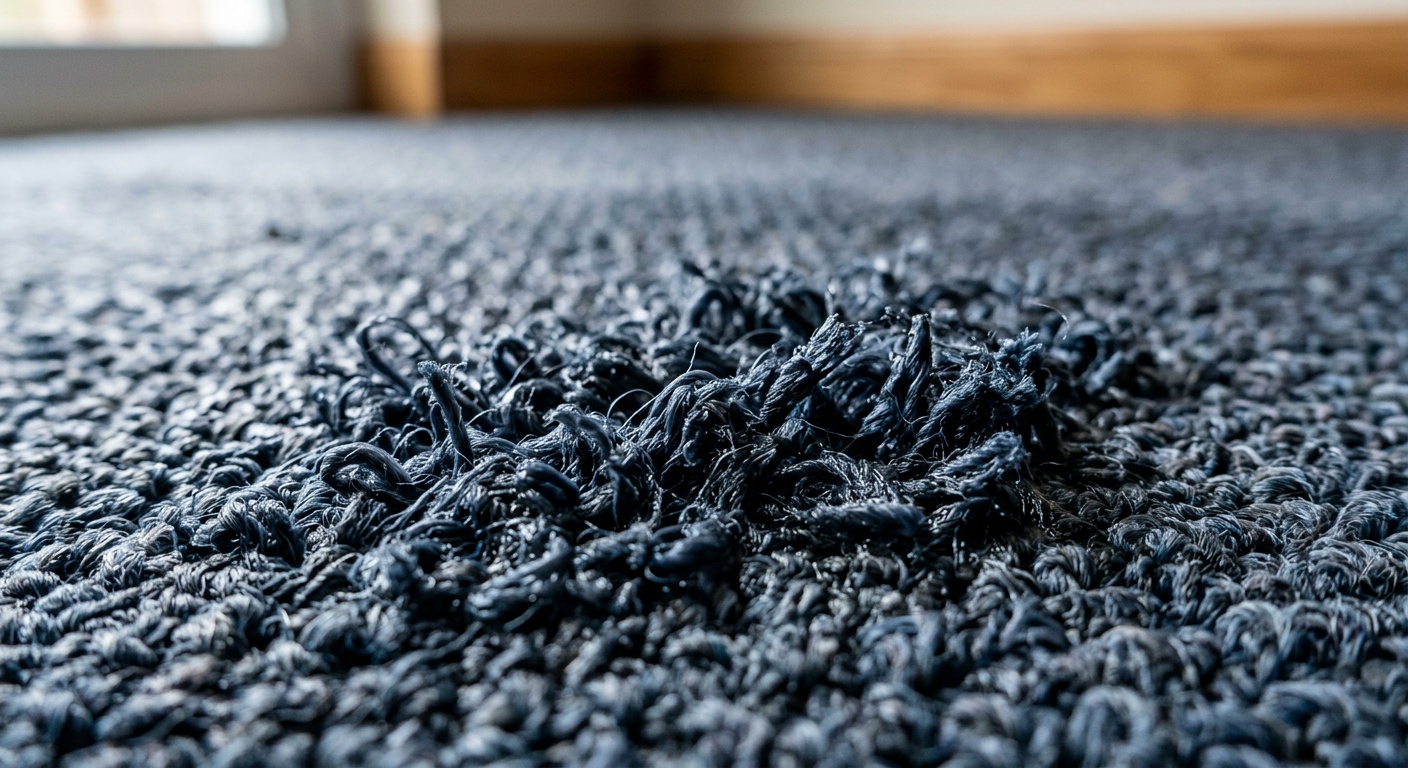
Dry vs Wet Carpet Cleaning Impact on Indoor Humidity Levels
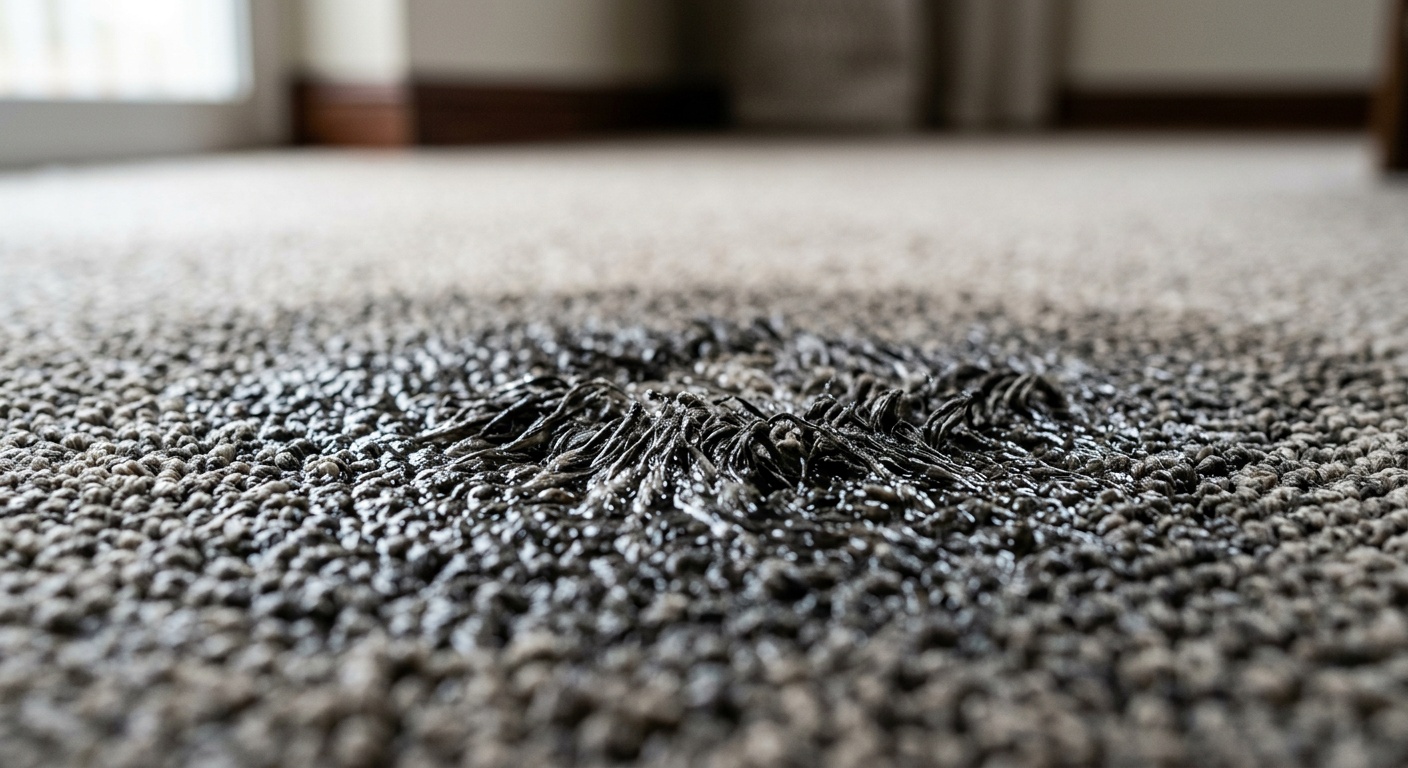
Dry vs Wet Carpet Cleaning: The Hidden Impact on Your Indoor Humidity Levels
Reading time: 12 minutes
You’ve just had your carpets professionally cleaned. They look great, smell fresh — but three days later, you notice a musty odor creeping in from the corners of the room. Sound familiar? What most homeowners and facility managers overlook is that carpet cleaning method doesn’t just affect how clean your floors look — it dramatically shapes the moisture environment inside your home or building.
In 2026, with indoor air quality ranking as one of the top environmental health concerns for urban dwellers globally, understanding the relationship between carpet cleaning techniques and indoor humidity isn’t just trivia — it’s essential knowledge for anyone managing a healthy living or working space.
Let’s cut through the marketing fluff and get into what really happens to your indoor humidity when you choose between dry and wet carpet cleaning methods — and how to make the right call every time.
Table of Contents
- What Are Dry and Wet Carpet Cleaning Methods?
- The Science Behind Carpet Cleaning and Indoor Humidity
- How Wet Cleaning Methods Affect Indoor Humidity
- How Dry Cleaning Methods Affect Indoor Humidity
- Head-to-Head Comparison: Dry vs Wet
- Humidity Impact Data Visualization
- Real-World Scenarios: What the Data Shows in 2026
- 3 Common Challenges and How to Overcome Them
- Practical Tips for Managing Post-Cleaning Humidity
- Frequently Asked Questions
- Your Humidity-Smart Carpet Care Roadmap
What Are Dry and Wet Carpet Cleaning Methods?
Before we dive into humidity dynamics, let’s quickly establish what we’re actually comparing. These two broad categories include several distinct techniques, each with its own moisture profile.
Wet Carpet Cleaning Methods
Hot Water Extraction (HWE) — often marketed as “steam cleaning” — is the most widely used professional method worldwide. It involves injecting hot water mixed with cleaning solution deep into carpet fibers at high pressure, then immediately extracting it along with loosened dirt. According to the Institute of Inspection, Cleaning and Restoration Certification (IICRC), HWE remains the gold-standard recommendation for deep carpet cleaning as of 2026.
Shampooing is an older method where a foamy chemical is agitated into the carpet and then extracted. It uses significant water volume and tends to leave residue, which is why it has largely fallen out of favor with professional services in favor of HWE.
Bonnet Cleaning — a surface method using a spinning pad soaked in cleaning solution — applies moderate moisture and is popular in commercial settings for interim maintenance between deep cleans.
Dry Carpet Cleaning Methods
Dry Compound Cleaning involves spreading an absorbent powder (often a mixture of detergent, solvent, and water — typically less than 10% moisture content) across the carpet, working it in with a machine, then vacuuming it up. Brands like Host and Capture have offered this technology since the 1980s, and it remains popular in 2026 for commercial environments that can’t afford long downtime.
Encapsulation Cleaning uses a polymer-based chemical that crystallizes around soil particles as it dries, allowing them to be vacuumed away. It uses minimal moisture and is increasingly popular in green-certified buildings because of its reduced water usage.
Dry Foam Cleaning applies a low-moisture foam, agitates it into fibers, and then extracts it. Despite the name, it does introduce some moisture, placing it in a middle ground between true dry and full wet methods.
The Science Behind Carpet Cleaning and Indoor Humidity
Here’s something that surprises most people: carpets are among the most effective humidity regulators in any indoor space. Carpet fibers — particularly wool and nylon — can absorb and release moisture in response to ambient relative humidity (RH). This buffering capacity means that how wet you get those fibers during cleaning has a direct and measurable ripple effect on your room’s RH levels.
Indoor relative humidity ideally sits between 30% and 50% according to the American Society of Heating, Refrigerating and Air-Conditioning Engineers (ASHRAE). Drop below 30% and you risk dry skin, respiratory irritation, and static electricity. Exceed 60% and you’re in prime territory for mold growth, dust mite proliferation, and structural moisture damage.
When you introduce water into carpeting during a wet clean, that moisture doesn’t stay in the carpet. It evaporates gradually into the surrounding air, elevating relative humidity — sometimes dramatically. The rate and degree of this elevation depends on several interacting variables: the volume of water used, ambient temperature, ventilation quality, carpet material, and pile depth.
A 2024 study published in the Journal of Indoor Environment and Health measured post-cleaning RH increases in sealed test rooms after hot water extraction cleaning and found peak humidity spikes of up to 22 percentage points above baseline in poorly ventilated spaces within the first six hours of cleaning. That’s enough to push a room from comfortable (48% RH) to potentially problematic (70% RH) territory — all from one carpet cleaning session.
How Wet Cleaning Methods Affect Indoor Humidity
Let’s follow the moisture journey of a typical hot water extraction session. A professional truck-mount HWE machine injects water at temperatures between 150°F and 230°F (65°C–110°C) under pressure, then extracts it with vacuum suction. Even with highly efficient extraction equipment, industry data suggests that 30% to 40% of injected water remains in the carpet immediately after cleaning.
For an average 500 sq ft (46 sq m) living room cleaned with HWE, this translates to approximately 1.5 to 3 gallons (5.7 to 11.4 liters) of residual water left in the carpet system — fibers, backing, and potentially the underpad. Over the next 6 to 72 hours, this moisture evaporates progressively into your indoor air.
The implications are significant:
- Short-term humidity spikes: RH can surge 15–25% above normal levels in the first 4–8 hours, peaking in rooms with limited ventilation.
- Extended drying windows: In humid climates or during winter months when windows stay closed, complete drying can take 24–72 hours. During this window, sustained elevated humidity creates ideal conditions for mold spore germination (which begins at RH above 65% for 24–48 hours).
- Subfloor moisture risk: In cases of over-wetting or inadequate extraction, moisture can penetrate to the subfloor — a particular concern for wood subfloors that can warp or develop black mold beneath carpet layers.
- Odor feedback loops: Residual moisture reactivates dormant bacteria in carpet fibers and padding, producing the infamous “wet dog” smell that is essentially a sign of bacterial decomposition — not cleanliness.
That said, wet methods aren’t villains. When properly executed with adequate extraction power and followed by active ventilation or dehumidification, HWE produces the deepest clean of any available method and removes allergens, bacteria, and deep-set soiling more effectively than any dry alternative.
How Dry Cleaning Methods Affect Indoor Humidity
Dry carpet cleaning methods operate on a fundamentally different moisture philosophy: use as little water as possible, achieve cleaning through chemistry rather than hydration.
The Moisture Profile of Dry Methods
Dry compound cleaning introduces roughly 3–8% moisture by weight into the treated area — a fraction of what HWE delivers. Encapsulation cleaning is slightly higher, typically introducing 10–15% moisture content but in a form that evaporates rapidly due to the fine mist application method. In both cases, the humidity impact on indoor air is minimal and typically resolves within 30–60 minutes of treatment.
This is why dry methods have become the preferred choice for:
- Hospitals, healthcare facilities, and cleanrooms where humidity control is critical
- Hotels and commercial spaces requiring same-day carpet use
- Homes with occupants who have respiratory conditions, mold sensitivities, or asthma
- Geographic regions with already-high ambient humidity (Southeast Asia, Gulf Coast US, tropical climates)
- Buildings with poor ventilation systems or no HVAC dehumidification capacity
However, the trade-off is cleaning depth. Dry methods are excellent for surface-level soil and regular maintenance but struggle to extract deeply embedded particulate matter, biological contaminants, or pet dander from lower carpet layers. The IICRC recommends combining routine dry encapsulation maintenance with periodic (annual or semi-annual) deep HWE cleaning for optimal hygiene without chronic humidity disruption.
Head-to-Head Comparison: Dry vs Wet
| Metric | Hot Water Extraction (Wet) | Dry Compound / Encapsulation |
|---|---|---|
| Moisture Introduced | High (gallons per session) | Very Low (ounces per session) |
| Post-Clean RH Increase | +15% to +25% (6–12 hrs) | +1% to +3% (30–60 mins) |
| Drying Time | 6–72 hours | 30 minutes – 2 hours |
| Mold Risk Window | Moderate to High (if ventilation poor) | Very Low |
| Deep Cleaning Effectiveness | Excellent (removes 95%+ allergens) | Moderate (surface layers only) |
Humidity Impact Data Visualization
The chart below illustrates the average relative humidity increase observed in a standard 400 sq ft (37 sq m) room with average ventilation after each carpet cleaning method, measured at peak humidity point post-cleaning (based on aggregated field data from 2024–2025 studies).
Peak RH Increase by Cleaning Method (percentage points above baseline)
Note: Values represent averages in standard ventilation conditions. Poorly ventilated spaces may see 30–40% higher readings for wet methods.
Real-World Scenarios: What the Data Shows in 2026
Case Study 1: The Asthma-Affected Family Home in Houston, Texas
The Rodriguez family had been scheduling quarterly hot water extraction cleanings for their 1,800 sq ft home since 2022. Despite consistently clean-looking carpets, both children struggled with worsened asthma symptoms in the days following each cleaning — precisely when parents expected air quality to improve. After installing a smart humidity monitor (now available for under $35 from multiple brands as of 2026), they discovered post-cleaning RH was regularly spiking to 74–78% during the 12–24 hours after HWE sessions.
Their allergist, Dr. Marisol Fuentes, recommended switching to a quarterly encapsulation schedule with one annual HWE deep clean in summer, when Houston’s outdoor conditions allow windows to be opened for active ventilation and a portable dehumidifier is run during drying. Since adopting this protocol, peak post-cleaning humidity in the home has stayed below 55%, and asthma incident frequency dropped by approximately 60% compared to the prior two-year baseline.
Case Study 2: A Boutique Hotel in Amsterdam, Netherlands
The Veldkamp Hotel, a 40-room boutique property in Amsterdam’s canal district, faced a recurring problem in 2024: guest complaints about musty odors and condensation on windows in rooms cleaned the previous day. The property used a contracted wet shampooing service every 8 weeks. An indoor air quality audit commissioned in early 2025 revealed that room humidity routinely reached 68–72% within 8 hours of cleaning and remained elevated for up to 36 hours.
The hotel transitioned to a dry encapsulation program on a 4-week cycle, supplemented by HWE cleaning only during spring and summer months when the in-room HVAC units could actively dehumidify post-cleaning. By late 2025, guest satisfaction scores related to room freshness improved by 34 percentage points, and the property eliminated mold remediation costs that had been running approximately €8,000 annually.
3 Common Challenges and How to Overcome Them
Challenge 1: “Dry Cleaning Doesn’t Feel as Clean”
This is the most common pushback from homeowners switching from wet to dry methods — and it’s partially valid. Dry compound cleaning truly does not remove the same depth of biological contamination as hot water extraction. The solution isn’t to abandon one for the other entirely, but to adopt a hybrid maintenance schedule: use dry or encapsulation methods for 3–4 routine cleanings per year and reserve HWE for one strategic annual deep clean, ideally timed for warm, dry weather or coordinated with dehumidifier use.
Challenge 2: Managing Post-HWE Humidity Without a Dehumidifier
Not everyone owns a dehumidifier. If you’re working with wet cleaning in a space without dehumidification capacity, strategic ventilation is your best tool. Open multiple windows on opposite sides of the room to create cross-ventilation. Position fans to direct airflow across carpet surfaces and toward open windows. Schedule cleaning early in the morning on low-humidity days so the peak evaporation period coincides with daytime warmth and maximum air exchange. According to a 2025 ventilation study by the Indoor Air Quality Association, active cross-ventilation can reduce post-cleaning peak RH by 35–45% compared to closed-room conditions.
Challenge 3: Assessing Whether Your Space Is High-Risk for Humidity Problems
Many people don’t know their baseline indoor humidity and therefore can’t judge the risk of introducing additional moisture. The fix is simple and inexpensive: invest in a hygrometer or smart humidity sensor. In 2026, quality models from brands like Govee, Inkbird, and ThermoPro are widely available for $15–$40 and connect to smartphone apps for continuous monitoring. Pro tip: measure your room’s RH for 48 hours before scheduling any carpet cleaning. If baseline RH is already above 50%, prioritize dry cleaning methods or schedule HWE cleaning only when you can guarantee ventilation and dehumidification support.
Practical Tips for Managing Post-Cleaning Humidity
Regardless of which method you choose, here are actionable steps to protect your indoor air quality:
- Monitor before and after: Use a smart hygrometer to track RH before, during, and 24 hours after any carpet cleaning. This creates a personal data baseline for your specific space.
- Time your cleanings strategically: Schedule HWE cleanings in late spring or early fall when mild temperatures allow window ventilation without excessive outdoor humidity intrusion.
- Run your HVAC in “dry” mode: If your air conditioning system has a dehumidify or dry mode, activate it 1 hour before and for 6–8 hours after wet carpet cleaning.
- Use accelerated drying equipment: Professional cleaning services increasingly offer air mover fans as add-ons. In 2026, many top-tier companies include drying fans as standard rather than optional. Request this service — it can cut drying time from 24 hours to 4–6 hours.
- Treat padding separately: Carpet padding absorbs moisture like a sponge and releases it slowly for days. If you’re committed to wet cleaning, ask your cleaner to use low-moisture techniques specifically at the edges and seams where padding exposure is highest.
- Elevate furniture legs: Wooden furniture left in contact with damp carpet wicks moisture upward and downward simultaneously, creating localized high-humidity micro-environments and leaving rust or stain marks. Use foam blocks or plastic protectors under all furniture legs during the drying period.
- Inspect for hidden moisture: Three days after any wet clean, run your hand along the carpet near walls and under furniture. Persistent dampness indicates inadequate extraction and requires immediate attention with a dehumidifier to prevent mold development.
Frequently Asked Questions
Can wet carpet cleaning cause mold growth in my home?
Yes — but only under specific conditions. Mold requires sustained humidity above 60–65% RH for a period of 24–48 hours at temperatures above 60°F (15°C). If your carpets are properly extracted, your room is adequately ventilated, and drying is completed within 24 hours, mold risk is low. The danger zone is wet carpets in sealed, warm rooms with no active airflow. If your carpet still feels damp 24 hours after a wet clean, run a dehumidifier immediately and contact your cleaning service — over-wetting may have occurred and professional drying assistance may be needed to prevent mold establishment.
How do I know if dry cleaning is thorough enough for my carpets?
Dry methods are absolutely sufficient for regular maintenance cleaning — routine soil removal, surface freshening, and odor management in carpets that are vacuumed frequently and don’t have heavy biological contamination. They are not sufficient as a standalone solution for carpets with pet urine contamination, embedded allergens from long periods without deep cleaning, or visible staining from liquid spills. A practical rule of thumb used by professional carpet care consultants in 2026: if you can see the soil or smell biological odors, you need at least one wet deep clean before transitioning to a dry maintenance program.
What’s the best carpet cleaning method for people with allergies or asthma?
For allergy and asthma sufferers, the ideal approach balances deep allergen removal with minimal post-cleaning humidity impact. The current consensus among indoor air quality specialists in 2026 is a regimen of encapsulation cleaning every 6–8 weeks for ongoing maintenance — keeping dust mite populations and surface allergen loads low without humidity spikes — combined with one annual hot water extraction deep clean scheduled for a day when weather allows full cross-ventilation and a portable dehumidifier can be run during and after the process. This maximizes both hygiene depth and humidity control. Always ensure HWE cleaning is done with CRI (Carpet and Rug Institute) Seal of Approval equipment, which guarantees minimum moisture retention standards.
Your Humidity-Smart Carpet Care Roadmap
Here’s the bottom line: the choice between dry and wet carpet cleaning isn’t just about aesthetics or cleaning power — it’s an active decision about your indoor climate. In a world where indoor air quality is now recognized as 2–5 times more polluted than outdoor air in most urban environments (EPA data, 2025), every choice you make about your indoor environment compounds over time.
Here’s your practical action roadmap:
- Install a humidity monitor this week. Spend $20–$40 on a quality hygrometer and establish your home’s actual RH baseline. Knowledge is your first line of defense.
- Audit your current cleaning schedule. Are you cleaning seasonally? Annually? Understand what method your current service uses and whether it aligns with your humidity management goals.
- Adopt a hybrid approach. Schedule dry or encapsulation maintenance cleanings 3–4 times per year and one strategic HWE deep clean during optimal weather conditions. This balances hygiene depth with humidity control.
- Invest in at least one drying session tool. A mid-range portable dehumidifier ($80–$150) or a set of floor fans fundamentally changes the risk profile of any wet cleaning session in your home.
- Communicate with your cleaning service. Share your humidity concerns. In 2026, reputable carpet cleaning companies increasingly offer moisture level testing and air mover drying as part of their service packages — but only if you ask.
As smart-home technology continues to integrate with environmental monitoring, the future of carpet care is moving toward data-informed, humidity-conscious maintenance schedules personalized to individual home environments and occupant health needs. The companies and homeowners who get ahead of this curve will enjoy healthier indoor environments, longer carpet lifespans, and significantly reduced remediation costs.
Your carpets don’t just live on your floors — they actively participate in your indoor climate. The question isn’t whether to clean them, but how to clean them in a way that works with your environment, not against it. What does your home’s humidity data say about the cleaning method you’re currently using?