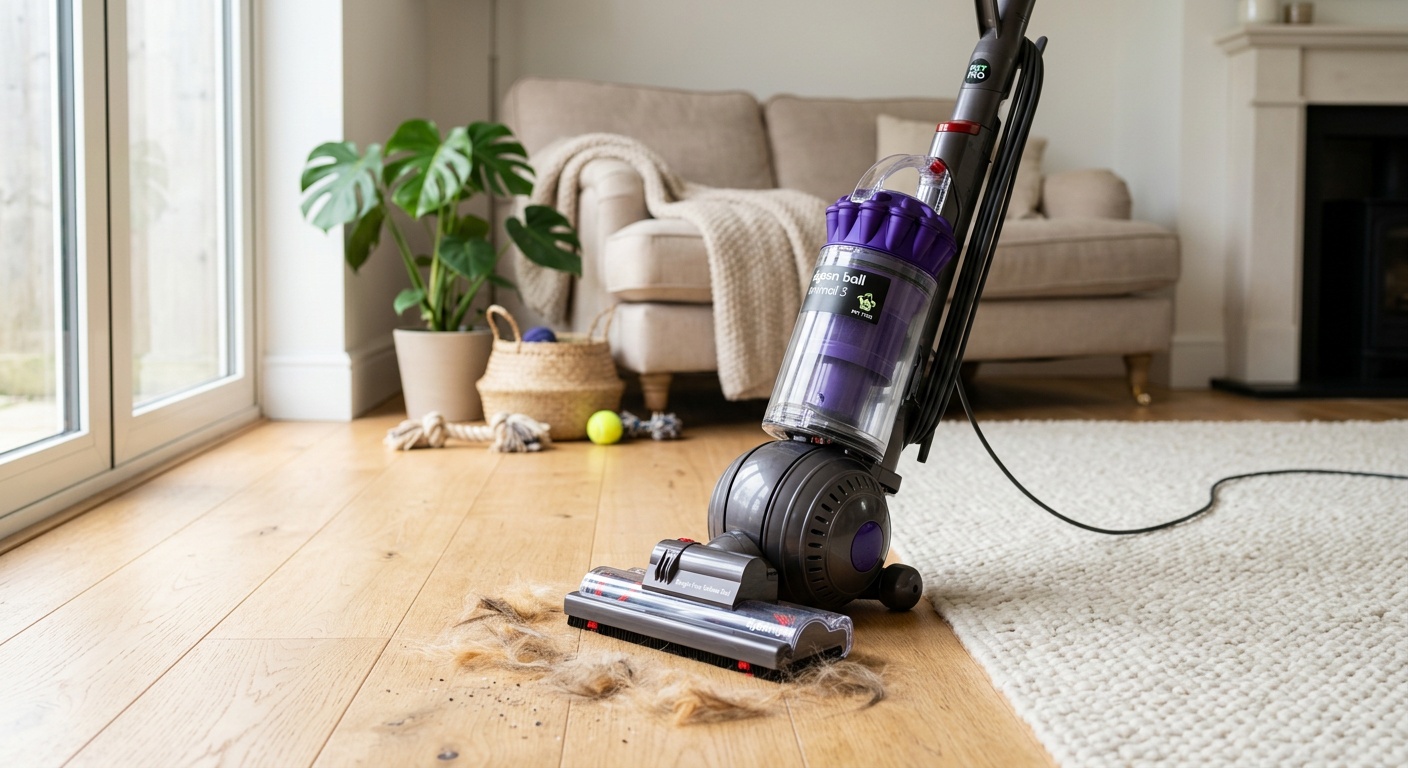
Deep Cleaning Schedules for Homes with Pets and Allergies
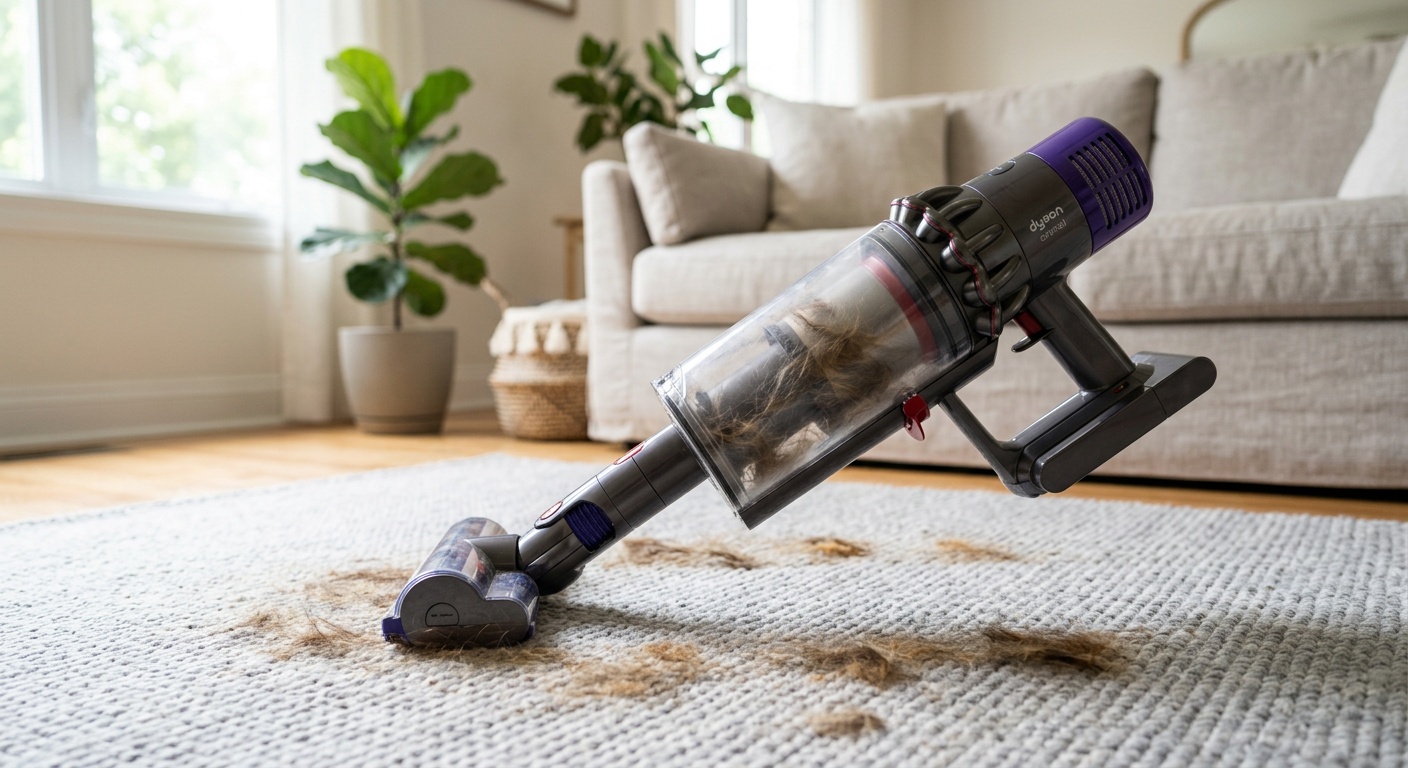
Deep Cleaning Schedules for Homes with Pets and Allergies: Your Complete 2026 Guide
Reading time: 14 minutes
Does your home feel like a constant battle between fluffy companions and sneezing fits? You’re far from alone. Millions of households across the world are navigating the delicate balance between loving their pets and managing the very real health challenges those pets can create. Whether it’s dander drifting through your HVAC system, allergens embedded in carpet fibers, or the invisible microbial world thriving in pet bedding, the challenge is both universal and deeply personal.
Here’s the straight talk: A standard cleaning routine simply doesn’t cut it when you’ve got a golden retriever, three cats, or even a single rabbit sharing your living space. You need a strategic, systematic deep cleaning schedule that addresses allergens at the source, maintains air quality, and keeps both pets and family members thriving.
In 2026, according to the American Pet Products Association’s latest survey, approximately 70% of U.S. households own at least one pet—a figure that’s held steady and even climbed slightly since 2024. Meanwhile, the Asthma and Allergy Foundation of America reports that roughly 30% of people with allergies have allergic reactions to cats and dogs specifically. That’s a massive overlap of two growing realities: pet ownership and allergy prevalence.
This guide will walk you through building a deep cleaning schedule that works for your specific household, tackling the science behind pet allergens, and giving you practical tools to reclaim clean, healthy air without sacrificing your relationship with your four-legged family members.
Table of Contents
- Understanding Pet Allergens: The Invisible Enemy
- Building Your Deep Cleaning Schedule
- Room-by-Room Deep Cleaning Strategies
- Essential Tools and Products for 2026
- Air Quality Management Beyond Cleaning
- Real Household Case Studies
- Cleaning Frequency Comparison Table
- Allergen Reduction by Cleaning Method
- Frequently Asked Questions
- Your Clean Home Action Plan: Next Steps
Understanding Pet Allergens: The Invisible Enemy
Before you can effectively clean, you need to understand exactly what you’re cleaning against. Pet allergies aren’t caused by fur itself—a common misconception that leads many people down the wrong cleaning path entirely.
What Actually Triggers Pet Allergies
The real culprits are proteins found in pet dander, saliva, urine, and sebaceous glands. For cats, the primary allergen is Fel d 1, a protein produced in the sebaceous glands and salivary glands. For dogs, Can f 1 and Can f 2 are the major allergens. These microscopic proteins attach to airborne particles and surfaces, spreading throughout your home within hours of being produced.
What makes pet allergens particularly challenging is their extraordinary persistence. Research published in the Journal of Allergy and Clinical Immunology indicates that cat allergen levels in homes can remain elevated for up to six months after a cat has been removed from the environment. They embed in carpets, upholstery, walls, ceiling tiles, and clothing—making casual cleaning efforts laughably inadequate.
Key allergen sources you need to target in your cleaning schedule:
- Dander: Microscopic skin flakes shed continuously by all mammals
- Saliva proteins: Deposited when pets groom themselves or lick surfaces
- Urine proteins: Especially significant in homes with litter boxes or small mammals
- Fecal matter particles: Can become airborne during litter box cleaning
- Secondary allergens: Pollen, dust mites, and mold spores that accumulate in pet fur
The Dust Mite Connection
Here’s an often-overlooked complication: pets and dust mites have a synergistic relationship that makes allergies worse. Pet dander provides an excellent food source for dust mites, which means homes with pets tend to have significantly higher dust mite populations. According to 2025 research from the Indoor Environment Group at Lawrence Berkeley National Laboratory, homes with pets had on average 40% higher dust mite concentrations in bedroom areas compared to pet-free homes. This means your deep cleaning schedule must address both allergen categories simultaneously.
Building Your Deep Cleaning Schedule
Think of your cleaning schedule like an investment portfolio—diversified, consistent, and tiered. Not everything needs the same attention at the same frequency. The goal is to create a sustainable system that doesn’t overwhelm you while genuinely reducing allergen loads.
The Three-Tier Cleaning Framework
Successful allergy management in pet households requires thinking across three time horizons:
Tier 1: Daily Maintenance (15–25 minutes)
- Wipe down pet feeding areas with a damp microfiber cloth
- Spot-clean any accidents immediately (urine proteins bind to surfaces quickly)
- Run a robot vacuum if available (modern 2026 models with HEPA filtration are remarkably effective)
- Empty litter boxes (twice daily if possible)
- Wipe visible pet lounging surfaces with a slightly damp cloth
- Change air purifier pre-filters if visibly clogged
Tier 2: Weekly Deep Cleaning (2–3 hours)
- Full vacuum of all carpets and upholstered furniture using HEPA-filtered vacuum
- Mop hard floors with an allergen-reducing floor cleaner
- Wash all pet bedding on hot cycle (minimum 130°F/54°C kills dust mites)
- Clean pet toys, especially soft/plush varieties
- Wipe down baseboards and low walls where dander accumulates
- Change and clean HVAC vent covers
- Sanitize litter box completely (not just scoop)
- Launder any throw blankets used by pets
Tier 3: Monthly and Seasonal Deep Cleaning (4–8 hours)
- Steam clean carpets and upholstered furniture
- Wash curtains, drapes, and window treatments
- Wipe walls and ceilings in pet-heavy rooms
- Clean and disinfect all hard surfaces behind and under furniture
- Replace HVAC filters (MERV-13 or higher recommended)
- Deep clean ductwork if budget permits
- Wash all bedding including mattress covers
- Clean inside closets where dander accumulates on clothing
Pro Tip: Schedule your monthly deep clean around your pet’s grooming appointment. A freshly groomed pet produces significantly less loose dander immediately after a professional bath and brush, giving you a cleaner baseline to work from.
Room-by-Room Deep Cleaning Strategies
Generic whole-house advice only gets you so far. Different rooms present different allergen challenges based on airflow, surface materials, and how much time your pets spend there.
Bedrooms: Your Allergy-Free Sanctuary
Here’s a perspective worth considering: if you can make your bedroom a low-allergen zone, you give your immune system 7–8 hours of recovery time every night. This single change can dramatically reduce overall allergy symptoms even if the rest of the house isn’t perfectly clean.
The most impactful bedroom strategies:
- Ideally, keep pets out of bedrooms entirely. Yes, this is emotionally challenging for many owners, but it’s the single most effective intervention available.
- If pets do sleep in your room, wash all bedding twice weekly rather than once
- Use allergen-impermeable mattress and pillow covers
- Replace carpet with hard flooring if budget allows—allergen levels in carpeted bedrooms run up to 100 times higher than in rooms with hard flooring
- Keep a dedicated HEPA air purifier running continuously in the bedroom
- Dust all surfaces including ceiling fan blades weekly
Living Areas: Managing High-Traffic Zones
Living rooms and common areas are typically where allergen levels run highest because pets spend the most time there. Key strategies:
- Choose washable slipcovers for sofas and chairs—wash monthly on hot cycle
- Vacuum upholstery with an upholstery tool attachment every single week, not occasionally
- Consider replacing carpeted floors with hardwood, tile, or luxury vinyl plank if renovating
- Use washable area rugs rather than wall-to-wall carpet—they can be taken outside and beaten
- Designate specific pet furniture to contain dander to fewer surfaces
- Wipe walls at pet height (roughly 18–24 inches from floor) monthly—this is where dander accumulates invisibly
Kitchens and Pet Feeding Areas
Feeding areas deserve special attention because moisture from water bowls creates conditions that promote mold and bacterial growth on top of standard allergen issues:
- Wash food and water bowls daily with hot water and dish soap
- Place a washable mat under feeding stations—launder weekly
- Store dry pet food in sealed containers to prevent moisture and pest issues
- Clean the area under and around feeding stations daily
- If using a raw food diet for pets, sanitize all preparation surfaces with a food-safe disinfectant after each use
Essential Tools and Products for 2026
The right equipment transforms deep cleaning from a frustrating exercise in futility into a genuinely effective allergen management strategy. In 2026, the technology available to home cleaners is genuinely impressive.
Non-negotiable equipment for pet allergy households:
- HEPA Vacuum Cleaner: Look for True HEPA filtration that captures particles 0.3 microns and larger at 99.97% efficiency. Brands like Miele, Dyson, and Shark have released strong 2026 models specifically designed for pet households.
- Steam Cleaner: Kills dust mites, bacteria, and denatures protein allergens without chemicals. Essential for monthly deep cleans of carpets and upholstery.
- Microfiber Cloths: Electrostatically capture particles rather than spreading them. Use damp for surfaces and dry for dusting.
- HEPA Air Purifier: Place in bedrooms and main living areas. Choose units with ACH (Air Changes per Hour) ratings appropriate for room size—aim for ACH 4 or higher.
- Enzyme-based Cleaners: For urine and organic stains—these break down the protein structures that cause odors and allergen persistence rather than just masking them.
2026 Tech Upgrade Worth Considering: Smart robot vacuums with onboard HEPA filtration and AI-powered mapping now run twice-daily cleaning cycles triggered automatically when air quality sensors detect rising particulate levels. Models from iRobot and Roborock’s 2025–2026 lines integrate directly with home air quality monitors, creating a genuinely automated first line of allergen defense.
Air Quality Management Beyond Cleaning
Deep cleaning tackles settled allergens, but airborne management is an equally critical layer of your strategy. The two systems work in tandem.
Key air quality interventions:
- HVAC Filter Upgrades: Replace standard 1-inch filters with MERV-13 rated filters. These capture particles as small as 1 micron, trapping most pet dander and dust mite particles. Change every 60 days in pet households (versus 90 days for pet-free homes).
- Humidity Control: Maintain indoor humidity between 30–50%. Dust mites thrive above 50% humidity. Use a hygrometer to monitor levels and dehumidifiers in damp seasons.
- Ventilation: Run bathroom and kitchen exhaust fans regularly. If your home has an HRV (Heat Recovery Ventilator) system, ensure it’s serviced annually.
- Grooming Your Pet: Brush pets outdoors daily or weekly depending on breed. This alone can reduce indoor dander levels by up to 35% according to Cornell University’s veterinary school guidelines updated in 2025.
Real Household Case Studies
Case Study 1: The Multi-Pet Household
Consider the Rodriguez family in Denver—two adults, one child with diagnosed dust mite and cat allergies, three cats, and a medium-sized dog. Before implementing a structured schedule in mid-2025, their daughter averaged three allergy medication days per week and two respiratory incidents per month.
They implemented the three-tier cleaning framework, installed a whole-house HEPA filtration system, replaced bedroom carpeting with hardwood, and established a strict no-pets-in-bedrooms policy. Within 90 days, their daughter’s medication days dropped to less than one per week and respiratory incidents reduced to zero in months four and five. Their allergist confirmed a measurable reduction in her systemic allergen load.
The key wasn’t any single intervention—it was the consistency and layering of multiple strategies working simultaneously.
Case Study 2: The Urban Apartment Dweller
Marcus, a freelance writer in Chicago with a mild dog allergy who adopted a labrador mix in early 2026, faced the additional challenge of a 750-square-foot apartment with no carpet replacement option (rental restrictions) and limited budget.
His budget-conscious solution: two portable HEPA air purifiers (bedroom and living area), a weekly professional-grade HEPA vacuum routine with the Shark HV402 model, enzyme-based cleaning products, and weekly dog baths using a vet-recommended low-allergen shampoo. Within six weeks, his self-reported allergy symptoms on a 1–10 scale dropped from an average of 6.5 to 2.8—a 57% improvement without any structural changes to his apartment.
Cleaning Frequency Comparison Table
| Cleaning Task | No Pets / No Allergies | Pets, No Allergies | Pets + Allergies |
|---|---|---|---|
| Vacuuming Carpets | Weekly | 2–3x per week | Daily + deep weekly |
| Washing Pet Bedding | Monthly | Bi-weekly | Weekly (130°F+) |
| HVAC Filter Replacement | Every 90 days | Every 60 days | Every 45–60 days (MERV-13) |
| Steam Cleaning Upholstery | Twice yearly | Quarterly | Monthly |
| Washing Human Bedding | Bi-weekly | Weekly | Twice weekly |
Allergen Reduction by Cleaning Method
Based on aggregated findings from peer-reviewed studies and the AAFA’s 2025 household allergen report, here’s how different interventions compare in terms of measurable allergen reduction:
*Approximate average reductions from multiple environments; results vary by home and allergen type.
Frequently Asked Questions
How often should I deep clean if I have both pets and a household member with severe asthma?
For households managing severe asthma alongside pet ownership, the recommended approach is daily light cleaning combined with a thorough deep clean every week rather than monthly. Specifically, carpets should be HEPA-vacuumed daily, pet bedding washed twice weekly at 130°F minimum, and air purifiers with True HEPA filters run continuously in rooms the asthmatic person occupies. Consult an allergist or pulmonologist to establish a personalized threshold—some individuals may benefit from allergen immunotherapy in addition to environmental controls. The 2025 Global Initiative for Asthma guidelines emphasize that environmental control and medical management work best as complementary strategies, not alternatives to each other.
Are there any cleaning products I should specifically avoid in pet households?
Yes—this is critically important. Many common cleaning products are genuinely toxic to pets. Avoid anything containing pine oils, phenols, or benzalkonium chloride in homes with cats, as felines lack the liver enzymes to metabolize these compounds. Bleach-based products should be used with extreme caution and only in well-ventilated areas after pets have been removed. Avoid essential oil diffusers and strongly-scented cleaning sprays around birds, as avian respiratory systems are highly sensitive. Safe alternatives include enzyme-based cleaners, diluted white vinegar solutions (effective on many surfaces), and products specifically labeled pet-safe by organizations like the Environmental Working Group (EWG). Always verify product safety at the ASPCA Animal Poison Control Center website before using new cleaning products.
Can I realistically manage pet allergies without removing my pet from the home?
Absolutely—and this is where many people get discouraged by overly strict medical advice. While removing the pet is technically the most effective single intervention, the combined effect of multiple environmental controls can achieve highly significant allergen reduction without rehoming your animal. A 2025 study published in Annals of Allergy, Asthma & Immunology found that households implementing comprehensive environmental control strategies (HEPA filtration, regular vacuuming, allergen-impermeable bedding covers, and pet exclusion from sleeping areas) achieved symptom reduction comparable to pet removal in mild-to-moderate allergy sufferers. The key phrase is “comprehensive and consistent”—piecemeal efforts produce piecemeal results. Paired with allergen immunotherapy (allergy shots or sublingual tablets), many pet-allergy sufferers in 2026 are successfully coexisting with their animals.
Your Clean Home Action Plan: Start This Week
You’ve got the knowledge—now let’s turn it into motion. The intersection of rising pet ownership rates and increasing allergy prevalence is a defining feature of how millions of households function in 2026. The good news is that the tools, products, and strategies available today are more effective than ever before.
Here’s your immediate action roadmap:
- Audit your current routine this week. Walk through each room and honestly assess which of the three cleaning tiers you’re currently meeting. Identify your two biggest gaps and address those first.
- Upgrade your vacuum and air filtration. If you don’t currently own a True HEPA vacuum and at least one HEPA air purifier, this is your highest-ROI investment for allergen reduction. Even mid-range 2026 models dramatically outperform older non-HEPA equipment.
- Establish a pet-free bedroom policy. This single boundary creates a nightly allergy recovery window that no amount of cleaning can fully replicate. Start tonight.
- Create a written cleaning calendar. Assign specific tasks to specific days. Rotating tasks systematically prevents “forgetting” monthly tasks that accumulate into a major allergen backlog.
- Consult a specialist. If symptoms remain significant after two months of consistent environmental controls, see an allergist. Immunotherapy has advanced considerably—2026 sublingual options offer greater convenience than traditional injection protocols.
The broader trend here is significant: as housing density increases in urban centers and pet ownership continues climbing, the demand for smart, health-focused home management strategies is accelerating. Homes that are genuinely clean—not just visually tidy—are becoming a meaningful component of overall health and wellbeing planning.
You chose your pet. Now choose the system that lets both of you live your best, healthiest life together. The question isn’t whether a clean, allergen-managed home is achievable with pets—it absolutely is. The real question is: How long will you wait to start building the routine that makes it your reality?