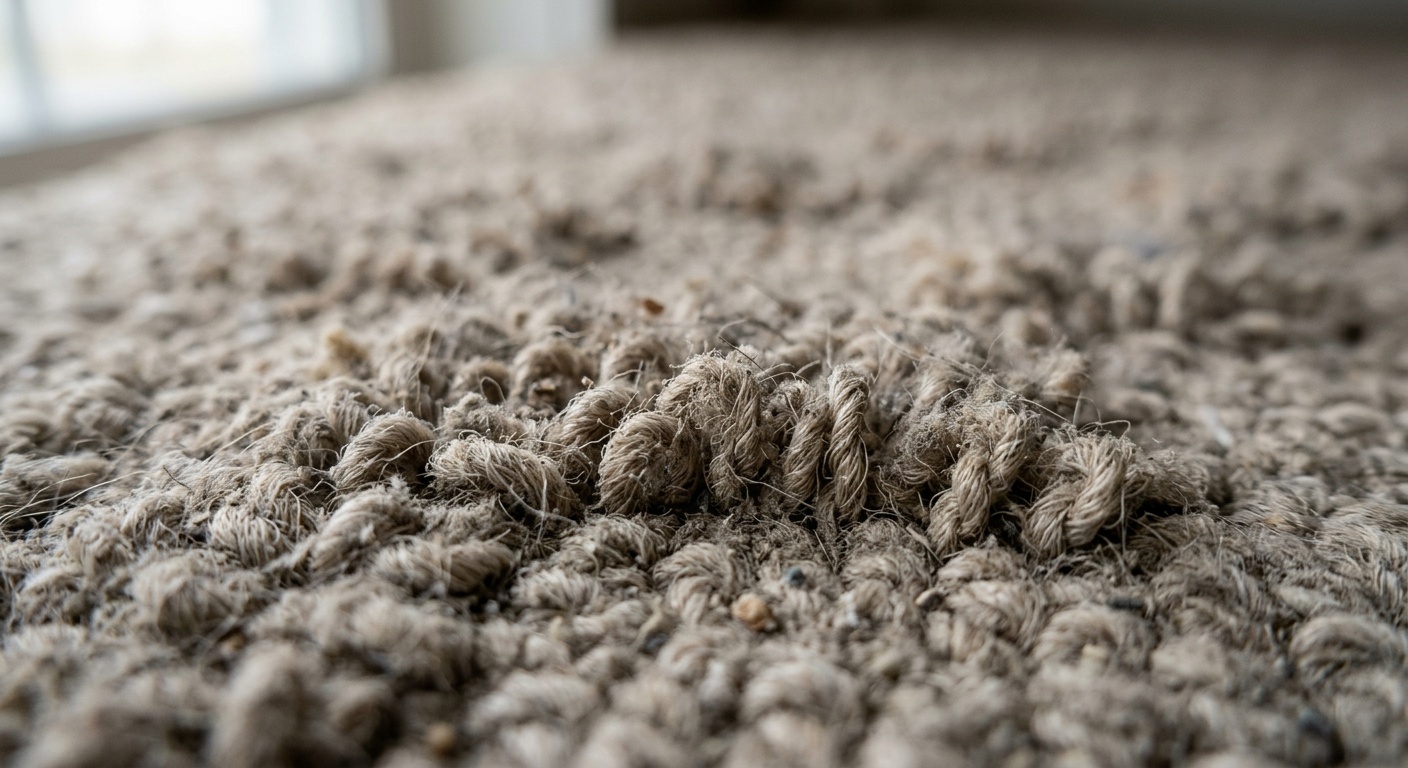
How Dirty Carpets Affect Your Home’s Indoor Air Quality
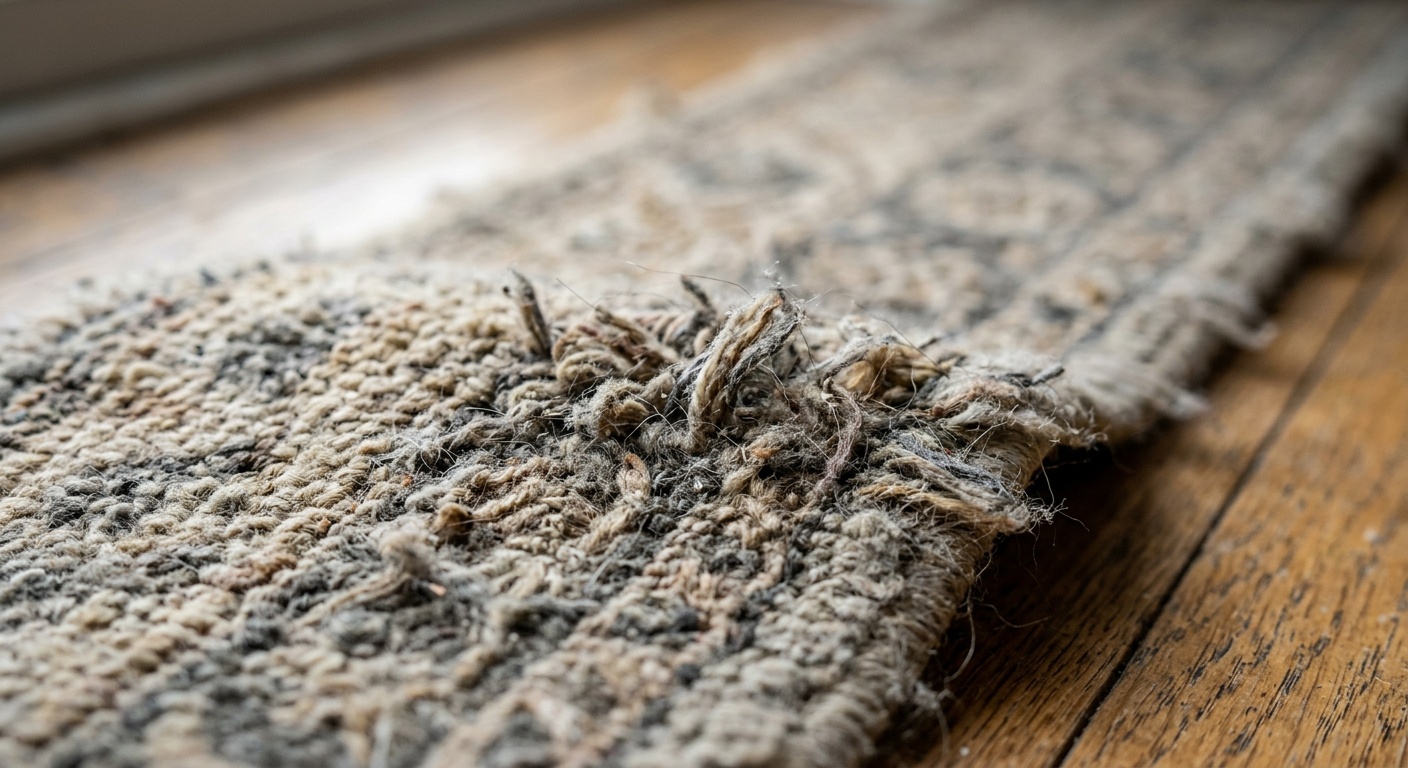
How Dirty Carpets Affect Your Home’s Indoor Air Quality
Reading time: 12 minutes
You vacuum every week. You spot-clean spills. You even take your shoes off at the door. And yet, that carpet beneath your feet might be silently working against your health — releasing allergens, harboring bacteria, and trapping pollutants that cycle back into the air you breathe every single day.
Here’s the uncomfortable truth: carpets can hold up to four times their own weight in dirt, dust, and debris, according to environmental health researchers. What you see on the surface is rarely the full story. The real threat lives deeper — in the fibers, in the padding, and in the microscopic ecosystem that builds up over months and years of everyday use.
This isn’t meant to scare you. It’s meant to equip you. Let’s walk through exactly how dirty carpets degrade your indoor air quality, who’s most at risk, and — most importantly — what you can actually do about it.
Table of Contents
- The Hidden Ecosystem Inside Your Carpet
- How Pollutants Enter and Get Trapped
- Real Health Impacts: From Sneezing to Serious Conditions
- Who Is Most Vulnerable?
- Indoor Air Pollutant Levels: Carpet vs. Hard Floors
- Comparative Table: Carpet Contaminants and Health Effects
- 3 Common Challenges Homeowners Face
- Practical Solutions That Actually Work
- Frequently Asked Questions
- Your Clean Air Action Plan
The Hidden Ecosystem Inside Your Carpet
Think of your carpet as a living archive of everything that’s happened in your home. Every footstep, pet visit, open window, and cooking session leaves a trace. Over time, those traces accumulate into a complex, layered environment that air quality specialists sometimes call a “reservoir of indoor pollutants.”
In 2026, the EPA’s updated Indoor Air Quality guidelines continue to list carpets as one of the top five contributors to poor home air quality — especially in homes that haven’t had a professional deep clean within the past 12 to 18 months. The agency notes that indoor air can be two to five times more polluted than outdoor air, and in some cases, up to 100 times worse.
What’s Actually Living in Your Carpet Right Now?
This is where things get genuinely eye-opening. A typical residential carpet in a home with pets and moderate foot traffic can harbor:
- Dust mites: Up to 200,000 per square meter, feeding on dead skin cells
- Mold spores: Particularly in humid climates or areas near bathrooms and kitchens
- Pet dander: Microscopic skin flakes from cats, dogs, and other animals
- Bacteria: Including E. coli and Salmonella tracked in from shoes
- Volatile Organic Compounds (VOCs): Off-gassed from cleaning products, paints, and furnishings
- Pollen: Carried in from outdoors, especially during spring and fall seasons
- Heavy metals: Lead, arsenic, and cadmium tracked in from soil and outdoor pollution
- Pesticides and herbicides: From lawns, parks, and outdoor spaces
A 2025 study published in the Journal of Exposure Science and Environmental Epidemiology found that carpeted homes showed particulate matter concentrations up to 34% higher in resuspended air particles than homes with hard flooring — particularly during activities like walking, playing, or vacuuming.
The Role of Carpet Fibers in Trapping Pollutants
Not all carpets are equal when it comes to pollutant retention. Loop pile carpets — like Berber — tend to trap fewer particles than cut pile carpets such as plush or Saxony styles, because cut fibers create more surface area and depth for contaminants to settle into. Synthetic fibers like nylon and polyester also develop static charges that attract and hold fine particles more aggressively than natural wool fibers.
The padding beneath your carpet adds another layer of complexity. Over time, moisture can seep through the carpet into the pad, creating an ideal breeding ground for mold and bacteria that is virtually impossible to address without professional intervention — or complete replacement.
How Pollutants Enter and Get Trapped
Understanding how your carpet gets contaminated in the first place gives you the strategic leverage to interrupt the cycle. Pollutants don’t arrive all at once — they accumulate through a series of everyday entry points that are easy to overlook.
Foot traffic is the most obvious culprit. Every time someone walks across your carpet wearing shoes, they deposit whatever they’ve picked up outside — soil, pesticide residue, biological matter, and even trace amounts of heavy metals from roads and parking lots. A 2024 Duke University environmental study confirmed that shoes carry an average of 421,000 bacteria on their soles, with 96% of those bacteria transferring directly to clean floor surfaces within minutes.
HVAC systems are a less obvious but equally significant contributor. When your heating or cooling system circulates air, it also circulates whatever particles are suspended in that air — pet dander, dust, mold spores — which then settle back onto your carpet. If your HVAC filters haven’t been changed recently, this cycle accelerates dramatically.
Pet activity amplifies the issue considerably. Dogs and cats don’t just shed dander; they track outdoor pollutants on their paws, introduce biological matter from the outdoors, and in some cases, contribute to moisture buildup through accidents that aren’t thoroughly cleaned and dried.
Quick Scenario: Imagine a family in suburban Atlanta in 2026. They have two kids, a Golden Retriever, and a carpeted living room that gets vacuumed weekly. Sounds reasonably clean, right? But their home sits near a moderately trafficked road, the kids play in the backyard daily, and their HVAC filter is six months overdue for a change. Their carpet is almost certainly functioning as a dense reservoir of outdoor pollutants, pet allergens, and recirculated dust — all of which get disturbed and suspended into breathable air dozens of times a day.
Real Health Impacts: From Sneezing to Serious Conditions
The health consequences of chronically poor indoor air quality are well-documented and span a wide spectrum — from mild irritation to serious respiratory conditions that require medical intervention.
Allergic reactions are the most commonly reported symptoms in homes with dirty carpets. Dust mite allergens, in particular, are among the most prevalent triggers for perennial (year-round) allergic rhinitis and asthma worldwide. The Asthma and Allergy Foundation of America reported in 2025 that approximately 26 million Americans live with asthma, and a significant portion of their symptom triggers originate indoors.
Respiratory infections can be exacerbated by mold spores and bacteria harbored in carpet fibers. People who experience recurring bronchitis, sinusitis, or upper respiratory infections without a clear external cause may be living with significant mold contamination in their flooring — a connection that’s frequently overlooked by both patients and physicians.
Neurological and developmental effects represent the most serious end of the spectrum. Exposure to heavy metals like lead — which can be tracked in from older painted surfaces and soil — has been repeatedly linked to developmental delays in children. In homes with young children who spend significant time on carpeted floors, this represents a genuine and measurable risk.
Case Study — Denver, Colorado (2025): A family with a toddler experienced persistent respiratory issues, frequent ear infections, and unexplained fatigue. After conventional medical investigations yielded inconclusive results, an environmental health consultant conducted an indoor air quality assessment. The assessment revealed elevated mold spore counts originating from a water-damaged carpet pad in the child’s bedroom — a consequence of an undetected slow leak beneath the baseboard. Within three months of carpet replacement and air purification, the child’s symptom frequency dropped by over 70%.
Who Is Most Vulnerable?
While poor indoor air quality affects everyone in a household, certain groups face disproportionately higher risks. Identifying whether your household includes vulnerable individuals should directly shape how urgently and aggressively you address carpet maintenance.
- Infants and toddlers: Spend the most time on floor surfaces; their immune and respiratory systems are still developing; they are particularly susceptible to heavy metal exposure and allergen sensitization
- Elderly individuals: Often have compromised lung function and immune response; more likely to experience serious complications from respiratory infections triggered by mold or bacteria
- People with asthma or allergies: Direct and immediate symptom triggers; exposure to carpet allergens can precipitate asthma attacks requiring emergency medical care
- Immunocompromised individuals: Those undergoing chemotherapy, organ transplant recipients, or people with autoimmune conditions face elevated risk from bacteria and mold exposure
- Pregnant women: Exposure to VOCs and certain chemical residues in carpets has been associated with adverse birth outcomes in preliminary research published in 2024
Pro Tip: If your household includes any of the above individuals, don’t wait until symptoms appear to take action. Proactive carpet maintenance and indoor air quality management is significantly more effective — and less expensive — than reactive health care.
Indoor Air Pollutant Levels: Carpet vs. Hard Floors
The following visualization compares average indoor air pollutant concentrations in carpeted homes versus homes with hard flooring, based on aggregated environmental health research data from 2024–2026.
Relative Pollutant Concentration Index (Carpeted vs. Hard Floor Homes)
Dust Mite Allergens
Mold Spore Retention
Pet Dander Accumulation
VOC Absorption & Re-emission
Fine Particulate Resuspension
Source: Aggregated environmental health research data, 2024–2026. Values represent relative index scores, not absolute measurements.
Comparative Table: Carpet Contaminants and Their Health Effects
| Contaminant | Primary Source | Health Effects | Most at Risk | Recommended Action |
|---|---|---|---|---|
| Dust Mites | Dead skin cells, humidity | Asthma, rhinitis, eczema | Allergy/asthma sufferers | HEPA vacuum weekly, dehumidify |
| Mold Spores | Moisture, spills, leaks | Respiratory infections, fatigue | Immunocompromised, elderly | Address moisture, professional clean |
| Pet Dander | Cats, dogs, other pets | Allergic rhinitis, eye irritation | Pet allergy sufferers, children | HEPA filter, frequent vacuuming |
| VOCs | Cleaning products, new carpet off-gassing | Headaches, dizziness, liver damage | Pregnant women, children | Ventilate, use low-VOC products |
| Heavy Metals | Shoes, soil, outdoor pollution | Neurological damage, developmental delays | Infants, toddlers | No-shoes policy, professional extraction |
3 Common Challenges Homeowners Face
Challenge 1: The Invisible Problem Syndrome
The most significant barrier most homeowners face is one of perception: if the carpet looks clean, it must be clean. This is the invisible problem syndrome, and it’s precisely what allows carpet contamination to reach dangerous levels before anyone takes action.
Regular vacuuming with a standard upright vacuum only removes surface debris — roughly the top 15–20% of accumulated material. The deeper layers of fine particles, mold spores, and biological matter are completely untouched. Worse, some older vacuum models without HEPA filtration actually redistribute fine particles back into the air during operation, temporarily worsening air quality rather than improving it.
Solution: Adopt a tiered cleaning approach. Weekly HEPA vacuuming for surface maintenance, quarterly deep-cleaning with a hot water extraction machine (rental units are widely available at major hardware stores in 2026), and annual professional steam cleaning for thorough contamination removal.
Challenge 2: The Moisture Management Problem
Spills happen. Pets have accidents. Humidity seeps up from below-grade flooring. The challenge isn’t preventing all moisture contact — that’s unrealistic. The challenge is managing it quickly and thoroughly enough to prevent mold colonization, which can begin within 24 to 48 hours of a moisture event in the right conditions.
Most homeowners dramatically underestimate how far moisture penetrates. Blotting up a visible spill addresses perhaps 40–50% of the actual moisture. The rest wicks down through the carpet fibers into the backing and padding, where it sits — invisible and untouchable by conventional surface cleaning.
Solution: For any significant moisture event, use a wet/dry vacuum to extract as much moisture as possible, apply a carpet-safe antimicrobial treatment, and deploy a dehumidifier near the affected area for 24–48 hours. In cases of flooding or significant pet accidents, professional assessment of the subfloor padding is non-negotiable.
Challenge 3: The Cleaning Product Paradox
Here’s an irony that frequently surprises homeowners: many common carpet cleaning products actually worsen indoor air quality. Aerosol deodorizers, solvent-based stain removers, and synthetic fragrance products introduce their own VOCs and chemical residues into carpet fibers — compounds that then off-gas continuously into your living spaces for days or weeks after application.
A 2025 environmental consumer report by the Environmental Working Group found that 67% of best-selling carpet cleaning products contained at least one chemical associated with respiratory irritation, and 31% contained compounds classified as potential endocrine disruptors.
Solution: Transition to genuinely low-VOC, enzyme-based carpet cleaners — particularly effective for organic stains and odors — and avoid aerosol deodorizers entirely. Natural solutions like baking soda for odor absorption and diluted white vinegar for mild stain treatment are not just folk remedies; they’re legitimately effective and introduce no harmful residues.
Practical Solutions That Actually Work
Let’s get specific. The following actionable strategies are grounded in current environmental health best practices for 2026 and can be implemented regardless of your budget or living situation.
The No-Shoes Policy: Your First Line of Defense
Implementing a consistent no-shoes policy in your home is the single highest-impact preventive measure you can take. Research consistently shows that approximately 80% of indoor household dirt and pollutants enter through the front door on the soles of shoes. Removing this pathway doesn’t just reduce cleaning frequency — it fundamentally changes the contamination trajectory of your carpets.
Provide a dedicated shoe storage area near your entry point and keep comfortable house slippers available for guests. This simple systemic change has been shown to reduce lead dust levels in carpeted homes by up to 60%, according to a 2024 public health study.
Smart Vacuuming: Quality Over Frequency
Vacuuming with the right equipment matters far more than vacuuming more often. In 2026, HEPA-filtered vacuum cleaners are the undisputed standard for indoor air quality management. HEPA filters capture particles as small as 0.3 microns — including most mold spores, dust mite allergen particles, and fine particulate matter that standard vacuums recirculate.
Additionally, vacuuming technique matters. Moving slowly — approximately two seconds per foot of carpet — allows the vacuum’s suction to engage with deeper fiber layers. Most people vacuum too quickly to achieve meaningful deep-fiber cleaning.
Air Purification as a Complementary Strategy
Even the most aggressively maintained carpet will periodically release particles into the air through normal foot traffic and activity. A high-quality HEPA air purifier positioned in rooms with carpeted flooring captures these resuspended particles before they cycle through your respiratory system.
In 2026, smart air purifiers with real-time air quality monitoring have become significantly more affordable, with effective units available in the $150–$350 range. Models that display live particulate matter readings provide immediate, motivating feedback on the difference cleaning interventions make.
Professional Deep Cleaning: Setting a Schedule
The carpet industry standard recommendation of annual professional cleaning is a reasonable baseline for average households. However, households with pets, children, allergy sufferers, or high foot traffic should consider twice-yearly professional hot water extraction (often called “steam cleaning”).
When selecting a professional cleaning service, ask specifically about:
- Whether they use truck-mounted or portable extraction units (truck-mounted systems are significantly more powerful)
- Their drying time protocols — carpets left wet for more than four hours face elevated mold risk
- The specific cleaning agents used and their VOC content
- Whether they apply post-cleaning antimicrobial treatments
Frequently Asked Questions
How often should I replace my carpet to maintain good indoor air quality?
Most carpet manufacturers and environmental health experts recommend replacing residential carpets every 8 to 12 years under normal conditions. However, the replacement timeline should be accelerated significantly if the carpet has experienced water damage or flooding, if visible mold is present, if odors persist after professional cleaning, or if household members with respiratory conditions experience unexplained symptom worsening that correlates with time spent at home. By 2026, several manufacturers now produce low-VOC, antimicrobial carpet options that offer better baseline air quality performance than previous generations of synthetic flooring — making timely replacement a genuine investment in health, not just aesthetics.
Can regular vacuuming alone keep my carpet’s air quality impact under control?
Regular vacuuming with a quality HEPA-filtered vacuum is essential, but it is not sufficient as a standalone strategy. Standard vacuuming effectively removes surface debris and some mid-level particulates, but it cannot address mold colonies in the carpet backing, deeply embedded allergens in the padding, chemical residues from tracked-in pollutants, or moisture-related contamination. Think of vacuuming as daily maintenance — necessary and valuable, but requiring the support of periodic hot water extraction cleaning, a no-shoes policy, controlled indoor humidity levels, and supplemental air purification to collectively maintain meaningful air quality standards.
Are newer carpets actually safer for indoor air quality than older ones?
It depends — and the answer has two dimensions. New carpets, particularly those with synthetic fibers and adhesive backing, go through an initial off-gassing period during which they release VOCs from manufacturing chemicals. This phase typically lasts two to four weeks and can temporarily worsen indoor air quality, especially in poorly ventilated spaces. However, once the off-gassing period passes, carpets manufactured in 2024 and beyond under updated industry certifications (look for the Carpet and Rug Institute’s Green Label Plus certification) generally contain significantly lower levels of harmful chemicals than carpets manufactured a decade or more ago. Older carpets, by contrast, have accumulated years of pollutants and may have degraded backing materials that release chemical compounds of their own. In most cases, a properly selected and installed newer carpet in a well-maintained home will outperform an old, heavily contaminated carpet on air quality metrics.
Your Clean Air Action Plan: Start This Week
You’ve absorbed the science, understood the risks, and explored the solutions. Now it’s time to convert knowledge into action. Here’s a practical, phased roadmap you can begin implementing immediately — no matter where your carpets are in their current condition.
Step 1 — Assess Before You Act (Days 1–3): Walk through your home and honestly evaluate each carpeted area. How old is the carpet? When was it last professionally cleaned? Have there been any moisture events? Do any household members experience symptoms that worsen at home? This baseline assessment determines your urgency level.
Step 2 — Implement No-Shoes Immediately (Day 1): This costs nothing and delivers benefits from the first day. Set up a shoe rack or storage bin at your primary entry points today. This single change begins reducing the contamination input rate immediately.
Step 3 — Upgrade Your Vacuum if Needed (Week 1): If your current vacuum lacks a HEPA filter or is more than seven years old, this is your highest-priority equipment investment. In 2026, quality HEPA vacuum cleaners are available at multiple price points — you don’t need to spend a fortune to get meaningful performance improvement.
Step 4 — Schedule Professional Cleaning (Within 30 Days): Book a professional hot water extraction cleaning for any carpet that hasn’t been professionally cleaned in the past 18 months. This is your reset point — the baseline from which your ongoing maintenance program will deliver real results.
Step 5 — Deploy Air Purification (Within 60 Days): Place a HEPA air purifier in your highest-use carpeted rooms — typically living areas and bedrooms. Monitor air quality readings before and after cleaning interventions to build an evidence-based picture of your home’s air quality trajectory.
As smart home technology continues to evolve in 2026, integrated air quality monitoring systems are becoming standard features in new construction — a reflection of growing mainstream awareness that indoor air quality is not a luxury consideration but a fundamental health imperative. Your carpet is one of the most significant variables in that equation.
The question worth sitting with: If you could see exactly what was floating in the air above your carpet right now, what would you do differently — and what’s stopping you from acting on that knowledge today?