Best Carpet Cleaning Methods for Reducing Indoor Allergens in 2026
Best Carpet Cleaning Methods for Reducing Indoor Allergens in 2026
Reading time: 12 minutes
You vacuum religiously. You open windows on breezy days. You even bought that expensive air purifier your neighbor recommended. And yet — the sneezing doesn’t stop. The itchy eyes return every morning. Sound familiar?
If your carpet feels more like an allergen trap than a cozy floor covering, you’re not imagining things. According to the American Academy of Allergy, Asthma & Immunology (AAAAI), carpet fibers can harbor up to 200,000 bacteria per square inch — and that’s before we even talk about dust mites, pet dander, mold spores, and pollen. In 2026, with indoor air quality ranking as one of the top five environmental health concerns globally, understanding how to properly clean your carpets isn’t just a housekeeping question. It’s a public health one.
Well, here’s the straight talk: Most people aren’t cleaning their carpets wrong because they’re lazy — they’re cleaning them wrong because they don’t have the right information. Let’s change that.
Table of Contents
- Why Carpets Are Allergen Hotspots
- Top Carpet Cleaning Methods Ranked for Allergen Reduction
- Hot Water Extraction: The Gold Standard
- Low-Moisture & Dry Cleaning Methods
- DIY vs. Professional Cleaning: What Works Best in 2026
- Method Comparison Table
- Allergen Reduction by Cleaning Method (Visual)
- Real-World Case Studies
- Common Challenges & How to Overcome Them
- FAQs
- Your Allergen-Free Action Plan
Why Carpets Are Allergen Hotspots
Before we dive into solutions, let’s understand the problem. Carpets function essentially as giant, wall-to-wall filters. Every time someone walks through the door, opens a window, or lets a pet inside, particles settle into carpet fibers and accumulate layer by layer. Unlike hard flooring, carpet fibers actively trap these particles — which sounds helpful until you realize that trap becomes a permanent residence unless properly addressed.
The Invisible Ecosystem Beneath Your Feet
The primary allergens lurking in your carpet include:
- Dust mites — These microscopic creatures thrive in warm, humid environments. Their fecal matter and body fragments are among the most potent indoor allergens known to science.
- Pet dander — Tiny flakes of skin shed by cats, dogs, and other furry or feathered animals. Dander particles are extraordinarily lightweight, meaning they resettle into carpet after being disturbed.
- Mold and mildew spores — Particularly dangerous in high-humidity climates or homes with moisture issues. A single small spill left unaddressed can become a mold colony within 24–48 hours.
- Pollen — Tracked indoors from shoes and clothing, pollen embeds deeply into carpet pile and can remain active for months.
- Cockroach particles and rodent dander — More common than most homeowners want to admit, these are significant asthma triggers.
A 2025 study published in the Journal of Environmental Health Perspectives found that homes with wall-to-wall carpeting showed allergen concentrations up to 14 times higher than homes with hardwood flooring — but crucially, the study also found that homes with properly and regularly cleaned carpets showed allergen levels nearly equivalent to those hard-floor homes. The keyword is “properly.”
The 2026 Allergy Crisis Context
In 2026, approximately 1 in 4 adults in the United States lives with some form of indoor allergen sensitivity, according to the CDC’s updated National Health Interview Survey. Climate shifts have extended pollen seasons and increased mold prevalence in many regions, pushing indoor air quality management from a niche concern to a mainstream priority. The global indoor air quality improvement market is projected to exceed $15 billion by 2027, with carpet cleaning technology and services representing one of its fastest-growing segments.
Top Carpet Cleaning Methods Ranked for Allergen Reduction
Not all carpet cleaning methods are created equal when it comes to allergen removal. Some methods primarily address surface dirt, while others penetrate deep into the carpet pile and backing to extract embedded biological material. Here’s a comprehensive breakdown of what works — and what merely looks like it works.
Hot Water Extraction: The Gold Standard
Hot water extraction (HWE), often mistakenly called “steam cleaning,” is consistently rated as the most effective method for allergen removal by both independent researchers and professional cleaning associations. The process involves injecting hot water (typically between 150°F and 200°F) combined with a cleaning solution deep into carpet fibers under high pressure, then immediately extracting the water along with dissolved dirt, allergens, and biological matter.
Why it works for allergens: The combination of heat and suction addresses allergens on multiple levels. Heat above 130°F kills dust mites on contact. The extraction process physically removes mite bodies, fecal particles, pollen, pet dander, and mold spores rather than simply pushing them around. When performed with a HEPA-filtered extraction unit, virtually no allergen particles are returned to the indoor air during the process.
The Carpet and Rug Institute (CRI) recommends hot water extraction as the preferred deep-cleaning method for allergen-sensitive households, suggesting professional extraction every 12–18 months minimum for homes with allergy sufferers.
Pro Tip: Request that your professional cleaner use a truck-mounted extraction unit rather than a portable one. Truck-mounted systems generate significantly higher water temperatures and suction power — translating to better allergen removal and faster drying times, which reduces the risk of mold growth post-cleaning.
Key Advantages of Hot Water Extraction
- Penetrates deep into carpet pile and backing material
- Kills dust mites through thermal effect
- Removes allergen proteins, not just particles
- Compatible with most carpet types when performed by professionals
- Results are measurable with post-cleaning allergen tests
Watch out for: Over-wetting. If carpets aren’t dried properly within 6–8 hours, you risk creating ideal conditions for mold growth — which would obviously be counterproductive for allergy sufferers. A reputable professional will leave the carpet slightly damp, not soaking wet.
Low-Moisture & Dry Cleaning Methods
For households where rapid drying is essential — think rental properties, offices, or homes with elderly or immunocompromised residents who can’t afford extended damp periods — low-moisture methods offer a practical alternative. These methods have improved dramatically in the past few years, with new encapsulation chemistry and dry compound formulations showing impressive allergen-reduction results.
Encapsulation Cleaning
Encapsulation technology uses polymer-based cleaning agents that crystallize around dirt and allergen particles as they dry. The crystallized particles are then vacuumed away. Modern encapsulation solutions developed in 2024–2026 now include anti-allergen additives that chemically denature dust mite proteins and pet dander, rendering them inert even before vacuuming removes them.
Independent testing by the British Allergy Foundation (2025) found that encapsulation cleaning with anti-allergen additives reduced active dust mite allergen (Der p1) concentrations by up to 78% — not as high as hot water extraction’s typical 85–92% reduction, but impressive for a method requiring no drying time.
HEPA Vacuuming: The Daily Defense
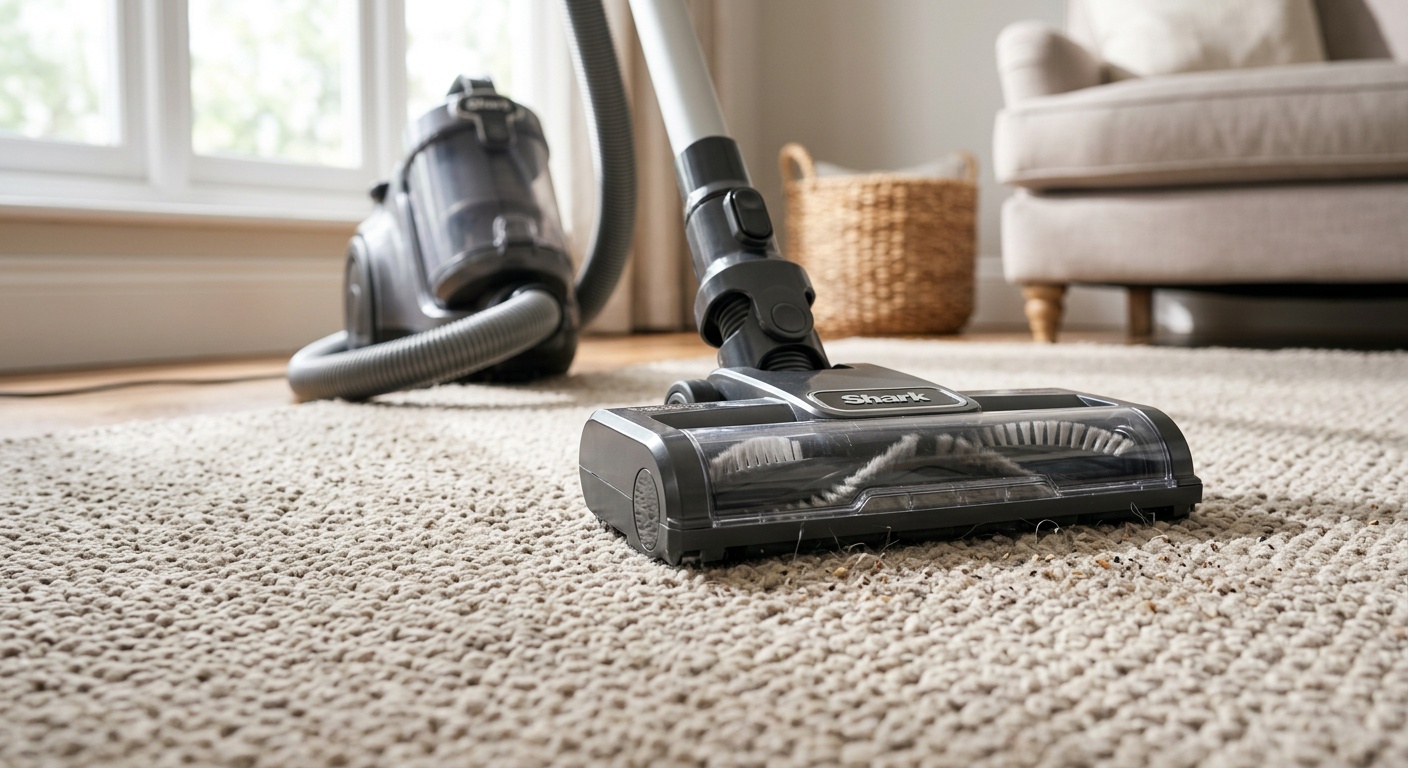
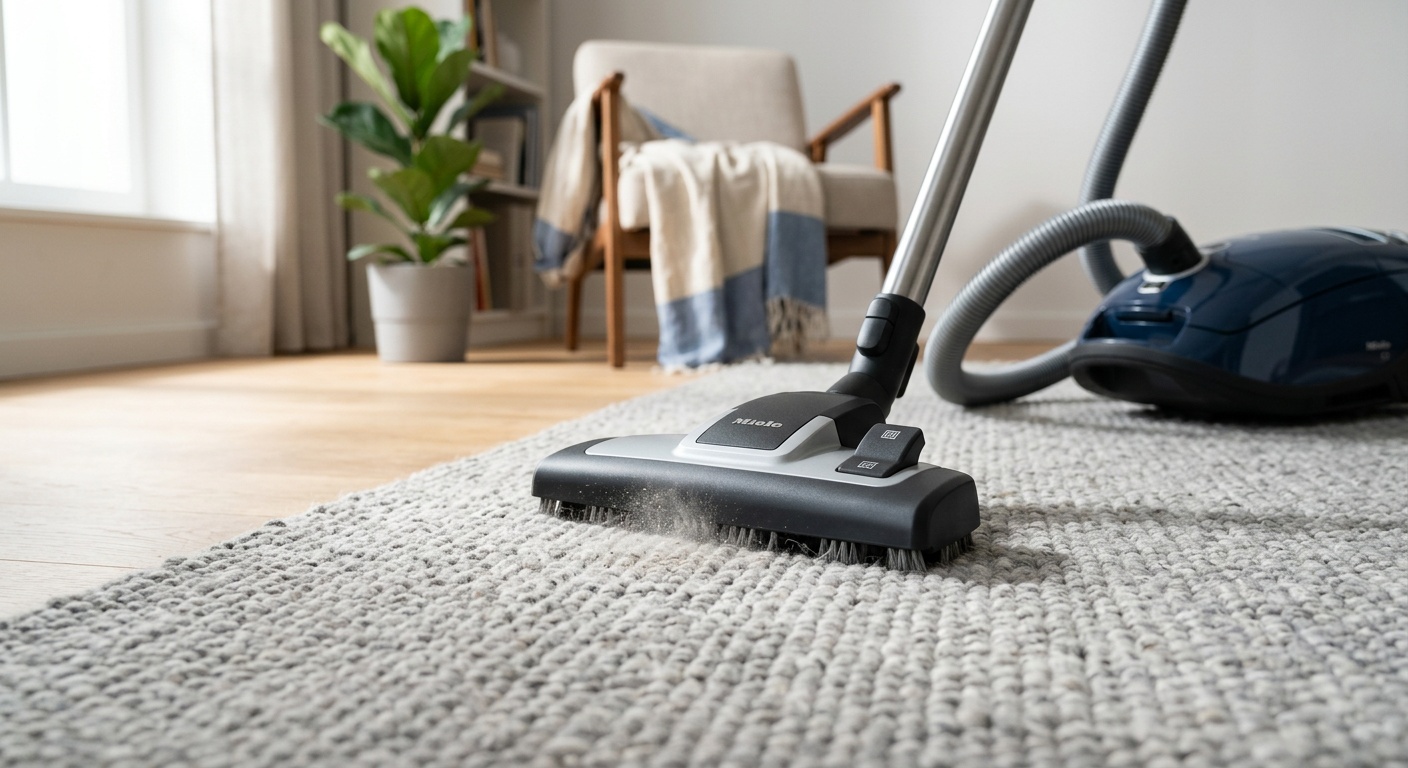
If hot water extraction is the deep clean, HEPA vacuuming is the daily maintenance that makes all the difference. Standard vacuum cleaners can actually worsen allergen exposure by drawing particles into the machine and expelling fine particles back into the air. A vacuum equipped with a HEPA (High Efficiency Particulate Air) filter captures 99.97% of particles as small as 0.3 microns — catching dust mite fecal matter, pollen, pet dander, and mold spores that would otherwise recirculate.
In 2026, the latest generation of HEPA vacuums also incorporates UV-C sanitization wands and electrostatic filtration, offering multi-layer allergen capture. Brands like Miele, Dyson, and newer competitors like Tineco’s 2026 Pro-Series now offer models with real-time air quality monitoring that alert users when allergen levels in a room are elevated.
Recommended HEPA vacuuming frequency for allergy sufferers:
- Homes with pets: Daily in high-traffic areas, 3x weekly overall
- Homes without pets, with allergy sufferers: 3–4 times per week
- General maintenance (no allergies): 2 times per week
DIY vs. Professional Cleaning: What Works Best in 2026
The DIY cleaning equipment market has evolved significantly. Rental units from companies like Rug Doctor and newer entrants like CleanTech Pro (launched 2025) now offer consumer-grade hot water extraction machines that genuinely rival older professional equipment. However, there are important nuances to consider.
Quick Scenario: Imagine you have a moderate cat allergy and two cats. Your living room carpet is three years old. Should you rent a machine monthly, hire a professional twice a year, or do both? The answer, perhaps unsurprisingly, is both — but with a strategic approach.
The Hybrid Approach (Recommended for Allergy Households):
- Weekly: HEPA vacuum all carpeted areas
- Monthly: DIY hot water extraction or encapsulation cleaning in high-traffic/high-allergen zones
- Every 6 months: Professional truck-mounted hot water extraction with anti-allergen treatment
- Seasonally: Post-pollen season targeted cleaning (spring and fall)
A professional cleaning costs between $150–$400 for an average home in 2026, depending on region and carpet area. That’s a manageable investment when weighed against the cost of allergy medications, doctor visits, and lost productivity. The Asthma and Allergy Foundation of America (AAFA) estimates that unmanaged indoor allergen exposure costs American households an average of $3,200 annually in direct and indirect health costs.
Method Comparison Table
| Cleaning Method | Allergen Reduction | Drying Time | Cost (per room) | Best For |
|---|---|---|---|---|
| Professional HWE (Truck-mounted) | 85–92% | 4–8 hours | $40–$80 | Deep annual clean, severe allergies |
| DIY HWE (Rental machine) | 65–75% | 8–24 hours | $15–$30 | Regular maintenance, budget-conscious |
| Encapsulation Cleaning | 70–78% | 30–60 min | $25–$50 | Quick turnaround, commercial spaces |
| HEPA Vacuuming | 40–55% | None | Equipment only | Daily maintenance, ongoing control |
| Dry Compound Method | 55–65% | None | $20–$45 | Delicate carpets, low humidity needs |
Allergen Reduction Effectiveness by Cleaning Method
The visualization below compares average allergen reduction percentages across five major cleaning approaches, based on aggregated 2025–2026 industry testing data:
Source: Aggregated data from CRI, British Allergy Foundation, and independent laboratory testing (2025–2026). Values represent average reduction in primary allergen (Der p1) concentration.
Real-World Case Studies
Case Study 1: The Peterson Family, Minneapolis (2025)
Sarah Peterson, a 38-year-old mother of two, had struggled with her son Marcus’s asthma diagnosis for four years. Despite regular vacuuming and seasonal professional cleaning, Marcus experienced frequent nighttime coughing and missed an average of 11 school days per year due to asthma-related symptoms.
In early 2025, an indoor air quality consultant recommended a comprehensive overhaul of their carpet cleaning approach. The changes implemented included: switching from a standard vacuum to a Miele HEPA-certified model (used 4 times weekly), transitioning to professional truck-mounted hot water extraction every 6 months instead of annually, and applying anti-allergen spray treatment post-cleaning.
Within 12 months, Marcus’s school absences dropped to 3 days. Allergen testing performed by their allergist showed a 79% reduction in dust mite allergen levels in his bedroom carpet. “It felt almost unbelievable,” Sarah told the family’s allergist. “We didn’t change anything else in the house — just the carpet cleaning routine.”
Case Study 2: Riverfront Office Complex, Austin (2026)
A 45,000-square-foot commercial office complex in Austin, Texas implemented a new carpet maintenance protocol in January 2026 following employee complaints about respiratory symptoms. Previously, the building used standard commercial vacuuming twice weekly and an annual hot water extraction.
The new protocol incorporated encapsulation cleaning monthly combined with HEPA commercial vacuuming three times weekly. Post-implementation air quality testing at the 3-month mark showed a 66% reduction in airborne particulate matter below 2.5 microns and a measurable decrease in employee sick days related to respiratory complaints — down 31% compared to the same quarter in 2025. The facility manager noted that the encapsulation method’s fast drying time was critical: “We simply can’t have wet carpets in an active office. The encapsulation approach gave us performance without disruption.”
Common Challenges & How to Overcome Them
Challenge 1: Carpet Re-Contamination After Cleaning
One of the most frustrating experiences for allergy sufferers is having carpets professionally cleaned, only to find symptoms returning within weeks. This happens because carpets quickly re-accumulate allergens from the air, from shoes, and from pets. The cleaning itself was effective — but without ongoing maintenance, the gains erode rapidly.
Solution: Implement a source-control strategy alongside cleaning. This includes: removing shoes at the door (a simple habit that reduces carpet allergen load by up to 40% according to EPA research), using high-MERV-rated HVAC filters that capture airborne particles before they settle into carpet, and applying a post-cleaning anti-allergen tannic acid or benzyl benzoate treatment that denatures allergen proteins for 3–6 months.
Challenge 2: Moisture and Mold Risk Post-Cleaning
Overly wet carpets after hot water extraction can create mold growth within 24 hours if not dried properly — ironically replacing one allergen problem with another. This risk is amplified in humid climates or homes with poor ventilation.
Solution: Always ensure your professional cleaner uses a high-powered extraction unit and makes multiple dry passes over the cleaned area. Post-cleaning, run ceiling fans at high speed, open windows if outdoor humidity is below 50%, and use a dehumidifier set to 45% relative humidity. If drying time exceeds 8 hours, contact your cleaner — it may indicate the carpet was over-wetted.
Challenge 3: Cleaning Product Sensitivity
Many conventional carpet cleaning solutions contain fragrances, VOCs (volatile organic compounds), and surfactants that can themselves trigger allergic reactions in sensitive individuals. Ironically, a well-intentioned deep clean using the wrong products can leave carpet smelling “clean” while actually depositing chemical irritants.
Solution: Request or select cleaning products certified by the Environmental Protection Agency’s Safer Choice program or the GREENGUARD Gold standard. In 2026, most reputable professional cleaners offer fragrance-free, low-VOC cleaning solutions as a standard option. When cleaning DIY, look for enzyme-based formulas that break down organic allergen material without synthetic fragrances.
Frequently Asked Questions
How often should allergy sufferers have their carpets professionally cleaned?
For households with moderate to severe indoor allergies, the general recommendation in 2026 is professional hot water extraction every 6 months, supplemented by DIY HEPA vacuuming 3–4 times per week. Homes with pets, young children, or residents with asthma may benefit from professional cleaning every 4 months in high-traffic areas. Always follow up with an anti-allergen treatment post-cleaning to extend the benefits.
Can carpet cleaning completely eliminate dust mites?
No single cleaning session can permanently eliminate dust mites, as re-infestation from airborne particles occurs naturally. However, professional hot water extraction at temperatures above 130°F kills active dust mites and removes their allergenic fecal matter with up to 90% effectiveness. The key is consistent maintenance: combine hot water extraction with regular HEPA vacuuming, maintain indoor humidity below 50% (which inhibits dust mite reproduction), and wash bedding in hot water weekly to minimize the overall mite population in your home ecosystem.
Are there carpet materials that are naturally better for allergy sufferers?
Yes — and this is worth considering if you’re replacing carpet in 2026. Low-pile or loop-pile carpets (such as Berber) trap significantly fewer allergens than high-pile or shag styles and are much easier to clean thoroughly. In terms of material, wool carpet treated with anti-allergen finishes has shown promising results in recent studies, as wool naturally regulates humidity, reducing the microclimate that dust mites prefer. Synthetic options like nylon or polyester with tight, low-pile construction are also practical choices. Whatever the material, avoid carpets with thick padding in allergy households — the padding itself can accumulate moisture and biological material over time.
Your Allergen-Free Action Plan: Start This Week
Here’s the honest truth: you don’t need to overhaul your entire home or spend a fortune to dramatically reduce your indoor allergen exposure. What you need is a strategic, layered approach — and the commitment to make it a habit rather than a one-time fix.
Your 5-Step Immediate Action Plan:
- Audit your current vacuum. If it doesn’t have a certified HEPA filter, it may be redistributing allergens rather than removing them. Upgrade to a HEPA-certified model this week — it’s the single highest-impact daily action you can take.
- Book a professional hot water extraction. If your carpets haven’t been professionally cleaned in the past 6 months, schedule one now. Specifically request a truck-mounted unit and ask about anti-allergen treatment add-ons.
- Establish a no-shoes policy. Place a shoe rack and comfortable indoor slippers at your main entrance. This single behavioral change can reduce carpet allergen load by up to 40% over time.
- Control your indoor humidity. Invest in a hygrometer (under $15) to monitor humidity levels. Keep them below 50% to suppress dust mite reproduction. A dehumidifier or upgraded HVAC filter may be warranted.
- Create a seasonal cleaning calendar. Mark professional cleaning appointments for spring and fall to coincide with peak pollen seasons. Set recurring reminders for weekly HEPA vacuuming sessions.
The broader trend is clear: as climate change intensifies outdoor allergen seasons and people spend more time indoors, the quality of our indoor environments has never mattered more. Carpet cleaning isn’t just about appearances — in 2026, it’s a frontline health strategy.
Here’s the question to leave you with: Your home should be your healthiest place — but is your carpet working for you or against you? The methods and strategies in this guide put control back in your hands. The first step starts today, with a vacuum, a phone call to a professional cleaner, or simply removing your shoes at the door. Which one will you take first?