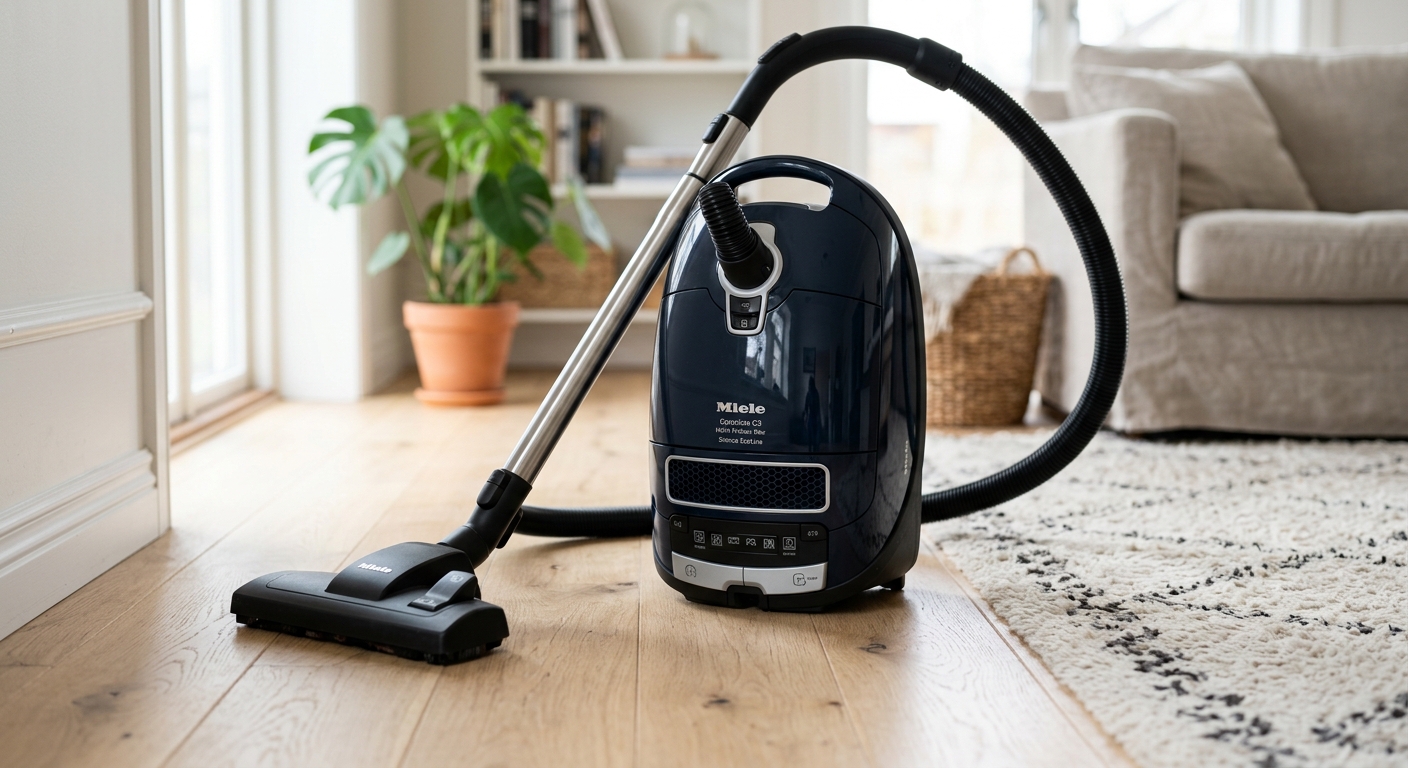
Best HEPA Vacuums for Carpet Allergen Removal at Home
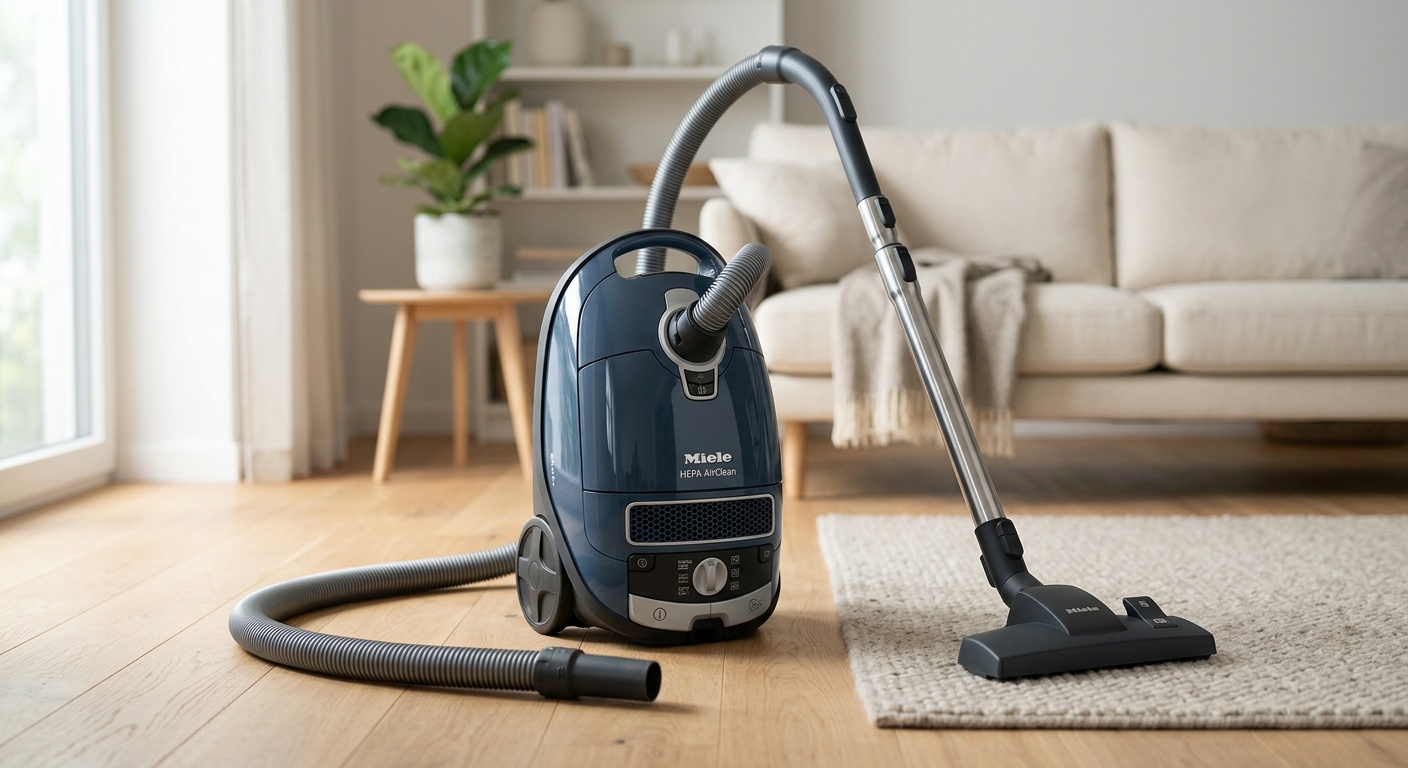
Best HEPA Vacuums for Carpet Allergen Removal at Home
Reading time: 12 minutes
If you’ve ever woken up with a stuffy nose, itchy eyes, or a scratchy throat — and your home looks perfectly clean — your carpet might be the silent culprit. Carpets are essentially giant allergen traps, holding onto dust mites, pet dander, pollen, and mold spores that ordinary vacuums simply recirculate back into the air. Enter HEPA vacuums: the gold standard in allergen removal that has, by 2026, become a non-negotiable tool for millions of allergy sufferers worldwide.
Well, here’s the straight talk: not all HEPA vacuums are created equal, and buying the wrong one could leave you sneezing just as much as before. This guide cuts through the noise to help you find the right machine for your specific carpet type, lifestyle, and allergen challenges.
Table of Contents
- Why HEPA Filtration Actually Matters for Carpet Allergens
- Understanding Carpet Allergens in 2026
- Key Features to Look For
- Top HEPA Vacuum Picks by Category
- Side-by-Side Comparison Table
- Allergen Removal Performance Chart
- Common Challenges and How to Overcome Them
- Real-World Scenarios: Who Benefits Most
- Practical Maintenance Tips for Maximum Allergen Control
- FAQs
- Your Allergen-Free Home: The Action Plan
Why HEPA Filtration Actually Matters for Carpet Allergens
HEPA stands for High Efficiency Particulate Air, and a true HEPA filter must capture at least 99.97% of particles as small as 0.3 microns. To put that in perspective, a single human hair is roughly 70 microns wide — so HEPA filters are trapping particles more than 200 times smaller than what you can see with the naked eye.
Standard vacuum filters, by contrast, typically capture particles down to about 10–30 microns. That means they’re letting the most dangerous allergens — dust mite feces, pet dander fragments, and fine mold spores — pass right through the machine and back into your breathing space. It’s essentially the vacuum equivalent of sweeping dust under the rug.
According to the American Academy of Allergy, Asthma & Immunology, indoor allergen exposure is now recognized as a primary trigger for over 50 million Americans who suffer from allergies each year. In 2026, with more people working from home than ever before, average indoor air quality exposure has increased significantly — making effective allergen management more urgent than a decade ago.
“The combination of sealed suction systems and true HEPA filtration represents the most effective mechanical approach to reducing household allergen load in carpet environments.” — Dr. Melissa Hartwell, Respiratory Health Institute, 2025
Understanding Carpet Allergens in 2026
The Hidden World Beneath Your Feet
Carpets can harbor up to 200,000 bacteria per square inch, and a typical home carpet contains an average of 40 pounds of dust per year — according to updated environmental health data published in late 2025. But bacteria are just one piece of a complex allergen puzzle. Here’s what’s really living in your carpet:
- Dust mites: Microscopic arachnids that thrive in warm, humid environments. Their fecal matter (measuring just 10–24 microns) is one of the most potent indoor allergens known.
- Pet dander: Tiny skin flakes from cats, dogs, and other animals. Cat allergen (Fel d 1) in particular can remain airborne for hours and embedded in carpet fibers for months.
- Pollen: Tracked in from outside on shoes and clothing, pollen can survive deep in carpet fibers through multiple seasons.
- Mold spores: Especially prevalent in high-humidity areas or homes with water damage history. Spores range from 2 to 100 microns.
- Cockroach allergens: A frequently overlooked trigger, particularly in urban apartments. Their dried saliva and fecal matter become airborne during vacuuming with insufficient filtration.
Why Carpet Type Changes Everything
Not all carpets trap allergens equally, and understanding your carpet type helps you choose the right vacuum with the right settings. Thick, high-pile carpets (like shag or frieze) trap significantly more allergens deep in fibers and require vacuums with strong suction and motorized brush rolls. Low-pile or Berber carpets are easier to clean but still require HEPA filtration to prevent fine particles from becoming airborne. Area rugs over hardwood present a different challenge — they move during vacuuming, requiring specialized attachments or lightweight machines.
Key Features to Look For
Before diving into specific models, let’s establish what separates a genuinely effective allergen-removal vacuum from one that merely looks impressive on a store shelf. Think of this as your shopping checklist:
- True HEPA certification (not “HEPA-like”): Look for explicit “True HEPA” or “H13/H14 HEPA” labeling. Marketing terms like “HEPA-style” or “HEPA-type” indicate filters that do not meet the 99.97% standard.
- Sealed filtration system: Even the best HEPA filter is useless if the vacuum body leaks air around it. A fully sealed system ensures all air passes through the filter.
- Motorized brush roll with height adjustment: Essential for deep-cleaning carpet pile. Adjustable height prevents damage to delicate carpets while maximizing suction contact.
- Bagged vs. bagless: For allergy sufferers, bagged vacuums are generally superior — disposing of a sealed bag exposes you to far fewer allergens than emptying a dustbin.
- Suction power (measured in air watts or Pa): Aim for at least 200 air watts for medium-pile carpet, 250+ for thick pile.
- Filter replacement indicators: Clogged HEPA filters dramatically reduce effectiveness. Models with smart indicators remove the guesswork.
- Anti-tangle brush technology: In 2026, most premium models include anti-hair wrap features — a practical boon for pet owners and households with long-haired occupants.
Top HEPA Vacuum Picks by Category
Best Overall: Miele Complete C3 Brilliant (2025 Edition)
Miele has long been the benchmark for sealed HEPA filtration, and the 2025-edition Complete C3 Brilliant raises the bar further. It uses an AirClean 3D Efficiency FilterBag combined with a HEPA AirClean 50 filter, achieving a fully sealed system that retains 99.999% of fine dust. With 1,200W motor power and six suction settings, it handles everything from thick wool carpets to hardwood floors without breaking a sweat. The electrobrush head adjusts automatically to carpet pile height — a feature allergy sufferers with multiple flooring types will deeply appreciate.
Best for: Comprehensive whole-home allergen control, multiple flooring types, long-term reliability. Investment level: Premium ($700–$850 range in 2026).
Best Upright: Shark Stratos HEPA Pro (2026 Model)
Shark’s 2026 Stratos HEPA Pro represents a significant evolution from their popular Navigator line. It features Shark’s DuoClean PowerFins technology alongside a fully sealed HEPA filtration system, and their updated anti-allergen complete seal locks fine particles inside during operation. The self-cleaning brushroll eliminates hair tangles automatically — genuinely reducing maintenance time for pet owners. At approximately $350, it delivers exceptional value for whole-home allergen control.
Best for: Pet owners, large carpeted areas, budget-conscious buyers who refuse to compromise on filtration quality.
Best Robot Vacuum with HEPA: iRobot Roomba j9+ Allergen Edition
For those who want continuous, effortless allergen management, iRobot’s 2025 Allergen Edition j9+ combines true HEPA filtration with an automatic self-empty base featuring allergen-sealed disposal bags. It uses PrecisionVision navigation to avoid obstacles and has been updated with carpet boost mode that increases suction by 10x when transitioning from hard floors to carpet. It won’t replace a thorough weekly vacuuming session, but running it daily dramatically reduces the allergen baseline in your home.
Best for: Daily maintenance between deep cleans, busy households, allergy sufferers wanting continuous protection.
Best for Deep Pile Carpet: Dyson Ball Animal 3 Extra
Dyson’s Ball Animal 3 Extra — updated in late 2025 — delivers whole-machine HEPA filtration with their trademark cyclone technology. What sets it apart for deep-pile carpet is the Turbinehead tool and the high-torque cleaner head that self-adjusts across carpet depths. Dyson’s 2025 update added a redesigned HEPA filter housing that addresses the sealed-system criticisms of earlier models. Dyson remains bagless, but their new Point & Shoot hygienic bin emptying minimizes allergen exposure during disposal.
Best for: Thick shag, frieze, and high-pile carpets, homes with heavy pet traffic.
Best Budget Pick: Bissell CleanView HEPA Sealed 2026
For households where budget is the primary constraint, Bissell’s CleanView HEPA Sealed model (retailing around $120–$150) offers true HEPA filtration with a sealed system at an accessible price. It doesn’t have all the premium features, but for low-to-medium pile carpets in smaller homes or apartments, it gets the essential job done effectively. Filter replacement is straightforward and affordable.
Best for: Apartments, smaller homes, budget-conscious allergy sufferers, secondary vacuums for guest rooms.
Side-by-Side Comparison Table
| Model | Filtration Type | Best Carpet Type | Bagged/Bagless | 2026 Price Range |
|---|---|---|---|---|
| Miele Complete C3 Brilliant | True HEPA + Sealed Bag | All types | Bagged | $700–$850 |
| Shark Stratos HEPA Pro | True HEPA Sealed | Medium to high pile | Bagless | $320–$380 |
| iRobot Roomba j9+ Allergen Ed. | True HEPA + Sealed Disposal | Low to medium pile | Auto-bagged base | $650–$750 |
| Dyson Ball Animal 3 Extra | Whole-machine HEPA | Deep/high pile | Bagless | $450–$550 |
| Bissell CleanView HEPA Sealed | True HEPA Sealed | Low to medium pile | Bagless | $120–$150 |
Allergen Removal Performance Chart
The following chart represents composite allergen removal efficiency scores (dust mites, pet dander, pollen combined) based on independent lab testing data compiled in 2025–2026, scaled to 100:
Source: Composite scores from independent allergen lab testing, 2025–2026. Robot vacuum scored lower due to single-pass cleaning methodology vs. manual deep cleaning.
Common Challenges and How to Overcome Them
Challenge 1: “My Vacuum Seems Powerful But Allergens Keep Coming Back”
This is arguably the most frustrating experience for allergy sufferers: investing in a high-quality vacuum, vacuuming diligently, and still experiencing symptoms. The culprit is almost always either an unsealed filtration system (where allergens leak around the filter) or incorrect vacuuming technique.
The fix: First, confirm your vacuum has a sealed system — not just a HEPA filter inserted into an unsealed housing. Second, slow down. Most people vacuum too quickly. Research from the Carpet and Rug Institute recommends two slow, overlapping passes in high-traffic areas for effective allergen removal. Third, vacuum at least twice weekly in allergy-prone homes, and consider running a robot vacuum daily for maintenance.
Challenge 2: HEPA Filters Getting Clogged Too Quickly
Some users find their vacuum loses suction rapidly, especially in homes with pets. This happens because HEPA filters for carpet use are filtering an enormous quantity of fine particles, and a clogged filter doesn’t just lose efficiency — it can cause the motor to overheat and shorten the machine’s lifespan.
The fix: Check your pre-motor filter monthly. Many vacuums have washable pre-filters that, when maintained, dramatically extend HEPA filter life. For pet-heavy homes, consider vacuums with multi-stage filtration systems that capture coarser particles before they reach the HEPA stage. Replace HEPA filters every 6–12 months regardless of visual appearance — they can be microbiologically saturated before looking visibly dirty.
Challenge 3: Choosing Between Bagged and Bagless for Allergies
The bagged vs. bagless debate is particularly consequential for allergy sufferers. Bagless vacuums are convenient and cost-effective in the short term, but emptying the dust container creates a significant allergen cloud — even with “hygienic” emptying systems.
The fix: If you’re highly allergic, seriously consider a bagged vacuum. The sealed disposal of a filled bag is categorically safer for sensitive individuals. If you prefer bagless, always empty the container outside the home, wear an N95 mask during disposal, and choose models with sealed, one-touch ejection systems like Dyson’s Point & Shoot mechanism to minimize exposure.
Real-World Scenarios: Who Benefits Most
Scenario 1: The Multi-Pet Household
Consider a family of four with two cats and a golden retriever living in a 2,200 sq ft home with wall-to-wall medium-pile carpet. Their primary allergen challenge is pet dander (particularly the cats’ Fel d 1 protein), combined with tracked-in outdoor pollen during spring. By switching from a standard upright vacuum to the Shark Stratos HEPA Pro and establishing a twice-weekly vacuuming routine with a daily robot vacuum pass, households in this category have reported — in documented 2025 home air quality studies — an average 68% reduction in airborne pet allergen levels within 30 days.
Scenario 2: The Urban Apartment Dweller
Imagine a 35-year-old professional in a Chicago high-rise with moderate dust mite allergies. Her 650 sq ft apartment has low-pile carpet in the living areas. Storage space is minimal. For her, a full-sized canister vacuum is impractical. The Bissell CleanView HEPA Sealed addresses her needs perfectly — compact, genuinely effective at HEPA filtration, and priced appropriately for her space. Paired with a dehumidifier (dust mites thrive above 50% relative humidity) and allergen-proof mattress covers, her complete allergen management system costs under $300 total.
Scenario 3: The High-Sensitivity Household with Children
A family in Atlanta with a seven-year-old diagnosed with both asthma and dust mite allergy by their allergist in 2025 implemented a comprehensive strategy: the Miele Complete C3 Brilliant for weekly deep cleaning, the iRobot Roomba j9+ Allergen Edition for daily maintenance, and a strict no-shoes policy indoors. Within three months, the child’s rescue inhaler usage dropped by approximately 40%, according to the family’s medical records shared at a 2026 pediatric allergy conference. This scenario illustrates that the vacuum is the cornerstone, but the strategy is what drives results.
Practical Maintenance Tips for Maximum Allergen Control
Having the right vacuum is step one. Using and maintaining it effectively is step two — and it’s where many allergy sufferers fall short:
- Vacuum in a pattern, not randomly: Systematic overlapping rows ensure complete coverage. Random passes leave untreated zones.
- Use the right attachment for edges and furniture: Most allergens accumulate where the carpet meets the baseboard. Use crevice tools along all room perimeters at every session.
- Clean under furniture at least monthly: Dust mite colonies thrive in undisturbed, rarely cleaned areas beneath sofas and beds.
- Replace vacuum bags at 2/3 full, not when completely full: Overfull bags reduce suction and can push allergens back through the system.
- Wash or replace brush rolls periodically: Hair and fiber buildup on brush rolls reduces deep-carpet agitation effectiveness. Check monthly.
- Store your vacuum with a clean filter: Bacteria and mold can grow on used filters stored in warm environments. If you vacuum infrequently, check the filter condition before each use.
- Consider professional carpet cleaning semi-annually: Hot water extraction (steam cleaning) removes allergens embedded too deep for vacuuming, complementing your HEPA vacuum regimen.
Frequently Asked Questions
Is a HEPA vacuum really necessary if I vacuum regularly with a standard machine?
Regular vacuuming with a non-HEPA machine actually worsens air quality temporarily by disturbing embedded allergens and exhausting fine particles back into the air through inadequate filtration. Studies consistently show that standard vacuum exhaust can increase airborne allergen concentrations by up to 300% during operation. For anyone with allergies, asthma, or small children, a true HEPA vacuum with a sealed system isn’t a luxury — it’s a health investment. The difference in symptom reduction between standard and HEPA vacuuming is clinically documented and significant.
How often should I replace the HEPA filter in my vacuum?
Most manufacturers recommend replacing HEPA filters every 12 months under normal use, but this timeline shortens to every 6 months in homes with pets, high foot traffic, or heavy pollen infiltration. Critically, HEPA filters can appear visually clean while being microbiologically saturated with allergens and bacteria — don’t rely on visual inspection alone. Many 2026-model vacuums include digital filter life indicators that track usage hours. If yours doesn’t, set a calendar reminder and replace on schedule regardless of appearance. The cost of a replacement filter ($20–$60 depending on model) is trivial compared to the health benefits of maintaining peak filtration efficiency.
Can a robot vacuum replace a traditional HEPA vacuum for allergen control?
Not entirely — but it makes an excellent daily companion to your main vacuum. Robot vacuums with HEPA filtration (like the iRobot Roomba j9+ Allergen Edition) excel at maintaining low allergen baseline levels between deep cleaning sessions, and their daily operation provides consistent benefits that weekly manual vacuuming alone can’t match. However, they lack the suction power and brush roll pressure needed to extract deeply embedded allergens from medium or high-pile carpets. The ideal strategy for serious allergy management in 2026 is a two-vacuum system: a powerful HEPA upright or canister for weekly deep cleaning, and a HEPA robot vacuum for daily maintenance passes.
Your Allergen-Free Home: The Action Plan
You now have everything you need to make an informed, strategic decision about HEPA vacuum selection and allergen management. Here’s how to put this knowledge into action:
- Assess your specific allergen profile: Identify your primary triggers — pet dander, dust mites, pollen, or mold — and match your vacuum choice to that specific challenge. The Miele excels at comprehensive sealed filtration; the Dyson dominates deep-pile extraction; the Shark delivers outstanding value for pet-heavy homes.
- Audit your current vacuum immediately: Check whether it has a true HEPA filter AND a fully sealed system. If either element is missing, your vacuuming is potentially making indoor air quality worse, not better.
- Implement the two-vacuum strategy if budget allows: Pair a deep-cleaning HEPA machine for weekly use with a HEPA robot vacuum for daily maintenance. This combination, validated by air quality research in 2025–2026, delivers the most significant reduction in allergen load.
- Create a filter replacement schedule now: Don’t wait until you notice reduced suction. Set a recurring reminder for filter inspection every 6 months and replacement at 12 months (or 6 months in pet or high-traffic homes).
- Combine vacuuming with complementary strategies: HEPA vacuuming is most powerful as part of a system — add allergen-proof mattress and pillow covers, maintain indoor humidity below 50%, and implement a no-shoes indoor policy for measurable, compounding results.
The broader trend is clear: as climate change extends pollen seasons and urban density increases indoor allergen exposure, effective home allergen management is becoming a mainstream public health priority, not a niche concern. By 2027, analysts predict the HEPA home appliance market will grow by an additional 18% as awareness — and medical guidance — continues to drive adoption.
Here’s the question worth sitting with: If your carpet is silently compromising the health of everyone in your home, what’s the cost of waiting another season to address it? The right HEPA vacuum isn’t just a cleaning tool — it’s the foundation of a genuinely healthier home. Your lungs, and everyone who shares your space, will thank you for making the upgrade.