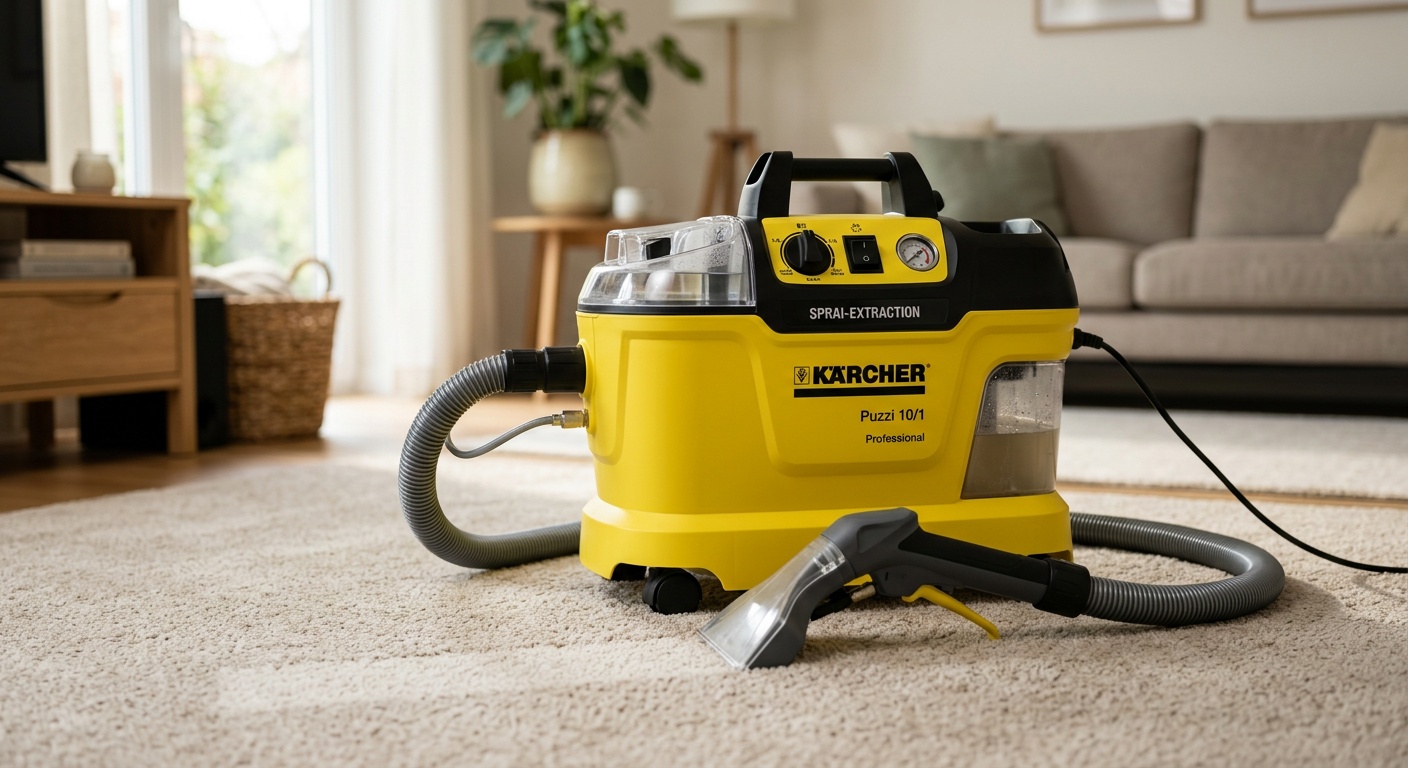
Professional vs DIY Carpet Cleaning for Healthier Indoor Air
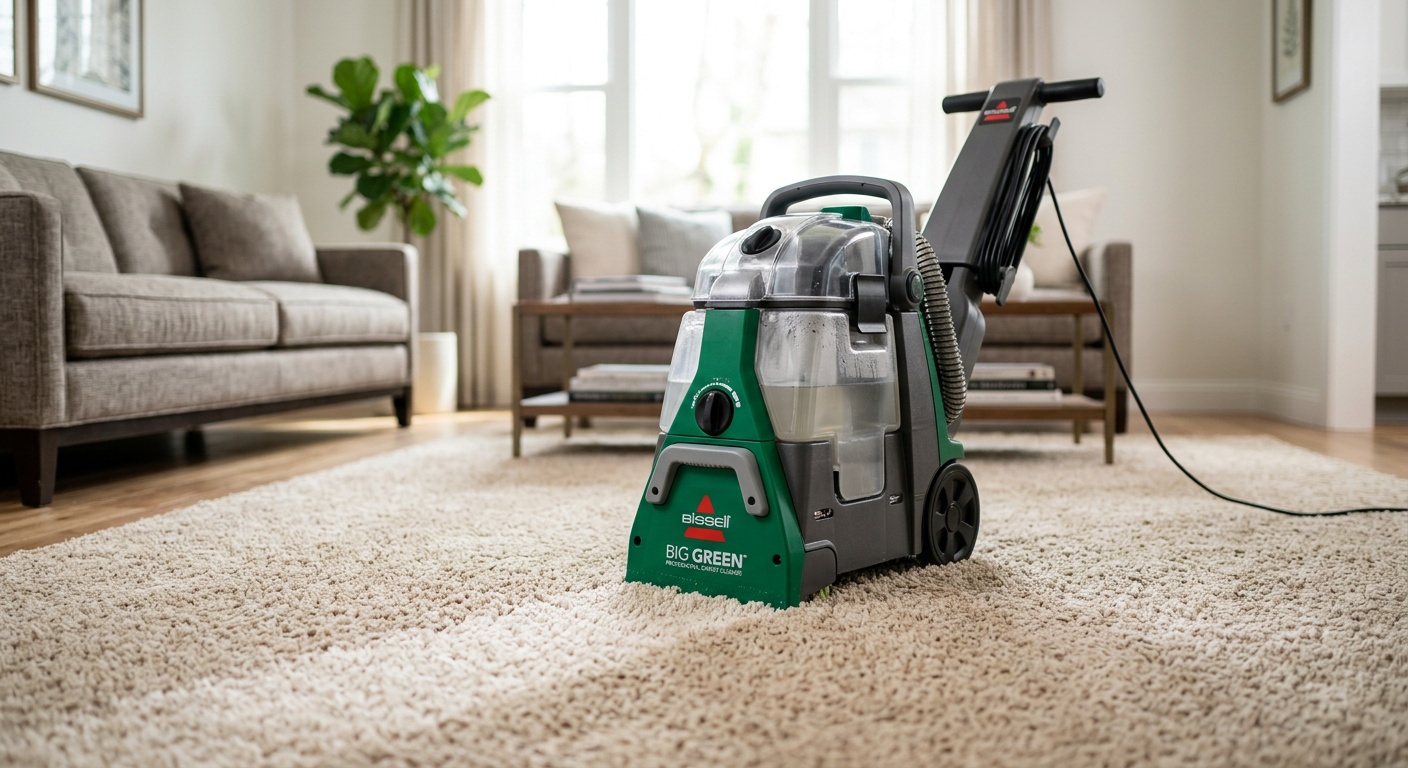
Professional vs DIY Carpet Cleaning for Healthier Indoor Air
Reading time: 12 minutes
Your carpet is lying to you. It looks clean, it smells neutral — but beneath that deceptively tidy surface, it may be harboring allergens, volatile organic compounds (VOCs), dust mites, and microbial colonies that silently degrade the air your family breathes every single day. In 2026, with the average American spending upwards of 90% of their time indoors, the quality of your indoor air has never mattered more.
Here’s the straight talk: not all carpet cleaning methods are created equal — and choosing the wrong approach can actually make your indoor air quality worse, not better. Whether you’re weighing the cost-effectiveness of a DIY rental machine against hiring a professional steam-cleaning service, the decision carries real health consequences that go far beyond surface aesthetics.
This guide cuts through the marketing noise, backs claims with data, and gives you a practical framework for making the smartest choice for your home and your lungs.
Table of Contents
- Why Carpet Cleaning Matters for Indoor Air Quality
- DIY Carpet Cleaning: What You’re Actually Getting
- Professional Carpet Cleaning: The Science Behind the Service
- Head-to-Head: Pro vs DIY Comparison Table
- Air Quality Impact: Data Visualization
- Common Challenges and How to Overcome Them
- Real-World Case Studies
- FAQs
- Your Clean Air Action Plan
Why Carpet Cleaning Matters for Indoor Air Quality
The Environmental Protection Agency (EPA) consistently ranks indoor air pollution among the top five environmental health risks in the United States. In 2025, the EPA updated its indoor air quality guidelines to specifically flag carpet fiber accumulation as a primary reservoir for PM2.5 particles, biological allergens, and residual pesticide compounds tracked in from outdoors.
Carpets function as both a sink and a source of pollutants. They capture particulate matter that would otherwise remain airborne — which is actually beneficial in the short term. But without proper extraction, that same carpet becomes a slow-release mechanism, re-suspending trapped particles every time someone walks across the room, a child rolls on the floor, or a ceiling fan stirs the air.
The Hidden Pollutants in Your Carpet
Understanding what’s actually lurking in carpet fibers helps frame just how important the cleaning method becomes. According to a 2025 study published by the Indoor Air Quality Research Consortium, the average residential carpet contains a surprising variety of contaminants:
- Dust mites and their fecal particles — a leading trigger for asthma and rhinitis, with densities as high as 100,000 mites per square meter in humid climates
- Pet dander and hair — protein-based allergens that penetrate deep into carpet backing
- Mold spores — particularly in carpets exposed to moisture, humidity above 60%, or inadequate drying after cleaning
- Tracked-in pesticides and heavy metals — studies show doormat-free homes carry 10x more lawn chemicals indoors on shoe soles
- VOCs from carpet manufacturing — newer carpets off-gas compounds like formaldehyde, styrene, and 4-PCH for months after installation
- Skin cells and organic matter — organic food for dust mites and microbial populations
The critical insight here is that vacuuming alone removes only surface-level debris. Studies indicate regular vacuuming captures roughly 30–50% of allergens in the top layer of carpet pile, while deep-seated contaminants remain largely undisturbed — waiting for the right disturbance to become airborne again.
Who Is Most Vulnerable?
This isn’t just an academic concern. According to the Asthma and Allergy Foundation of America, in 2026 an estimated 1 in 4 Americans lives with allergies or asthma. Children under 5 and seniors over 65 spend significantly more time at floor level, increasing their exposure to carpet-borne allergens by a factor of 2–3 compared to adults. Households with pets compound the issue further.
If someone in your home coughs more indoors than outdoors, experiences unexplained morning congestion, or has been diagnosed with allergic rhinitis — your carpet cleaning strategy is one of the most impactful levers you can pull.
DIY Carpet Cleaning: What You’re Actually Getting
The appeal of DIY carpet cleaning is undeniable. Rental machines from hardware stores or grocery outlets can run $35–$60 per day in 2026, compared to professional services averaging $150–$350 for a standard home. That’s a compelling economic argument — but let’s look at what the data actually shows about outcomes.
Types of DIY Carpet Cleaning Approaches
1. Rental Hot Water Extraction Machines
The most effective DIY option. Consumer-grade rental units heat water to approximately 120–140°F and generate suction power measured in water lift (typically 50–80 inches of water lift). They work on the same principle as professional hot water extraction (commonly called steam cleaning) but with meaningful limitations in power and water temperature consistency.
2. Dry Powder or Foam Cleaners
These products apply an absorbent compound to carpet fibers, which is then vacuumed out after a dwell time. Convenient for spot treatments and low-moisture situations. However, research from the Carpet and Rug Institute (CRI) shows dry-compound methods remove only about 40–55% of embedded allergens compared to hot water extraction’s 80–90%+ removal rates under professional conditions.
3. Portable Consumer Steam Cleaners
Smaller units designed for home use. These generate steam but lack the tank capacity and suction power for thorough whole-room cleaning. Best suited for maintenance between deeper cleans.
4. Shampoo/Rotary Brush Machines
An older method that applies detergent foam via rotating brushes. Effective at surface agitation, but these machines are notorious for over-wetting carpet and leaving detergent residue — both of which accelerate mold growth and cause rapid re-soiling.
The Real Risk: Over-Wetting and Residue
Here’s a problem few DIY guides discuss candidly: incorrect moisture management is the single biggest risk factor in DIY carpet cleaning for indoor air quality. Consumer rental machines typically lack the extraction power to remove 90%+ of the water they inject into carpet. If carpet padding remains saturated for more than 24–48 hours, mold colonization becomes highly probable.
Dr. Patricia Harwell, an indoor environmental specialist at a leading research university, noted in a 2025 interview: “We’ve seen cases where well-intentioned homeowners used rental machines and inadvertently created mold problems that required full carpet removal. The issue is never the cleaning itself — it’s insufficient extraction and drying protocol.”
Practical safeguards if you go the DIY route:
- Always make multiple dry passes over each section to maximize water extraction
- Run fans and dehumidifiers immediately after cleaning
- Keep windows open if humidity conditions permit
- Never clean carpets in rooms without adequate airflow
- Allow 12–24 hours drying time before replacing furniture
Professional Carpet Cleaning: The Science Behind the Service
Professional carpet cleaning isn’t simply a more expensive version of the same process. At the high end, it’s a categorically different intervention — and understanding why matters when you’re investing in air quality outcomes.
Truck-Mounted Hot Water Extraction: The Gold Standard
The Carpet and Rug Institute and the Institute of Inspection, Cleaning and Restoration Certification (IICRC) both identify truck-mounted hot water extraction as the most effective method for deep allergen removal and indoor air quality improvement. Here’s why the hardware makes a difference:
- Water temperature: Truck-mounted units heat water to 200–230°F, compared to rental machines at 120–140°F. Higher temperatures kill dust mites on contact (mites die at sustained temperatures above 130°F) and denature protein-based allergens more effectively
- Suction power: Commercial units generate 150–200+ inches of water lift, versus 50–80 for consumer rentals — meaning dramatically more water is extracted from the carpet and padding
- Chemical expertise: Certified technicians select cleaning agents appropriate for fiber type, pH balance, and specific contaminants — avoiding both under-treatment and chemical residue
Certifications That Matter in 2026
When hiring a professional service, look specifically for these credentials:
- IICRC Certified Firm — the industry’s primary certification body; certified technicians pass standardized training in water damage, fiber care, and contaminant removal
- Green Seal Certified cleaning products — particularly important for households with children, pets, or chemical sensitivities; Green Seal standards were updated in 2025 to include stricter VOC limits
- CRI Seal of Approval — indicates the company’s equipment and methods have been independently tested for soil removal and fiber protection
In 2026, a growing number of professional services also offer post-cleaning air quality testing — deploying portable particle counters to demonstrate measurable reductions in airborne PM2.5 and allergen levels before and after treatment. This is a meaningful differentiator worth asking about when collecting quotes.
Head-to-Head: Professional vs DIY Comparison
| Metric | DIY (Rental Machine) | Professional Service |
|---|---|---|
| Allergen Removal Rate | 40–60% | 80–95% |
| Average Cost (1,000 sq ft) | $40–$80 (rental + supplies) | $150–$350 |
| Drying Time | 24–48 hours (mold risk if poor ventilation) | 6–12 hours (commercial extraction) |
| Dust Mite Elimination | Partial (limited by water temp) | High (200°F+ kills mites on contact) |
| Recommended Frequency | Every 3–6 months (maintenance) | Every 12–18 months (deep clean) |
Air Quality Impact: Allergen Reduction by Method
The following chart illustrates the estimated percentage reduction in key allergen categories by carpet cleaning method, based on aggregated findings from CRI testing data and peer-reviewed studies published through 2025.
Dust Mite Allergens
Pet Dander
Mold Spores
Tracked-In Pesticides
Common Challenges and How to Overcome Them
Challenge 1: Choosing the Wrong Cleaning Chemicals
This is where DIY cleaners most frequently stumble. The consumer market is flooded with carpet cleaning solutions that prioritize scent and optical brightening over genuine sanitation. Many contain surfactants that leave sticky residues — residues that attract and bind new soil within days of cleaning, creating a frustrating “re-soils quickly” cycle.
The fix: Whether going DIY or professional, look for pH-neutral, low-residue formulas certified by Green Seal or EPA Safer Choice (the Safer Choice program was expanded in 2025 to include more carpet-specific products). Avoid any product that leaves a noticeable fragrance — that scent is a chemical signal, not a cleanliness indicator. For households with asthma sufferers, fragrance-free enzyme-based formulas are the safest choice.
Challenge 2: Incomplete Drying Leading to Secondary Mold Growth
As noted above, this is the most consequential mistake in carpet cleaning and can turn an air-quality improvement effort into an air-quality catastrophe. Mold in carpet padding is often invisible at the surface and can generate airborne spores for months before the smell or discoloration becomes detectable.
The fix: Invest in a moisture meter (available for under $30 in 2026) to verify that carpet and padding have returned to a moisture content below 15% before considering the job done. Commercial air movers — available at the same equipment rental outlets as carpet cleaning machines — dramatically accelerate drying time and are worth the modest additional cost.
Challenge 3: Frequency Misalignment
Many households either over-clean (using harsh methods too frequently, degrading fiber integrity) or under-clean (deferring professional service for 3–5 years, allowing deep contamination to build to levels that even professional extraction struggles to fully remediate).
The fix: Adopt a tiered cleaning schedule that combines approaches strategically. The framework below has been endorsed by multiple indoor air quality specialists:
- Weekly: HEPA-filter vacuum (critical — standard vacuums can exhaust fine particles back into the air)
- Every 3–4 months: DIY hot-water extraction rental for high-traffic zones
- Every 12–18 months: Professional truck-mounted extraction for whole-home deep cleaning
- Immediately after: Any water intrusion event, pet accidents, or visible mold signs
Real-World Case Studies
Case Study 1: The Peterson Family, Denver, Colorado (2025)
The Petersons had two children with physician-diagnosed dust mite allergies and had been cleaning their carpets annually using a grocery store rental machine. Despite consistency, both children continued experiencing significant nighttime symptoms. In early 2025, after consulting an allergist, they commissioned an IICRC-certified professional service for a whole-home deep clean using truck-mounted hot water extraction combined with an EPA Safer Choice-certified enzyme treatment.
Post-cleaning air quality testing showed a 78% reduction in airborne dust mite allergen particles within 48 hours of treatment. Within six weeks, both children showed measurable reduction in allergy medication use. The family now schedules professional service every 14 months and supplements with HEPA vacuuming three times weekly.
Key lesson: For allergy-suffering households, the performance gap between consumer rental and professional extraction is clinically meaningful, not just cosmetic.
Case Study 2: A Rental Property Manager in Phoenix, Arizona (2026)
A property management company overseeing 45 residential units had been using in-house staff with consumer shampoo machines between tenants to control turnover costs. In early 2026, three consecutive tenants in one unit reported respiratory complaints within weeks of moving in. An independent indoor air quality assessment found elevated mold spore counts in carpet fibers consistent with inadequate moisture extraction from previous cleaning cycles.
After switching to contracted professional cleaning services for all units at tenant turnover, using dry-time verification protocols, the company reported zero air quality complaints in the following 9 months. The cost differential per unit was approximately $95 more for professional service — a figure management now frames as a liability management expense rather than a cleaning budget line item.
Key lesson: The hidden cost of inadequate carpet cleaning isn’t just health consequences — it’s liability, tenant retention, and remediation expenses that dwarf the original cost savings.
Frequently Asked Questions
Is DIY carpet cleaning ever sufficient for households with allergy sufferers?
DIY hot-water extraction using a quality rental machine can provide meaningful interim benefit for mild allergen sensitivity — particularly when combined with rigorous drying protocols and HEPA vacuuming. However, for households with diagnosed asthma, dust mite allergies, or pet dander sensitivities, the allergen removal gap between consumer and professional equipment is significant enough that professional deep cleaning should be considered at minimum annually. Think of DIY as maintenance and professional service as the deep intervention — both have roles in a comprehensive indoor air strategy.
How do I know if a professional carpet cleaning company is actually improving air quality vs. just cleaning appearance?
Ask prospective companies three specific questions: Do they use truck-mounted equipment (not portable units)? Are their cleaning agents EPA Safer Choice or Green Seal certified? Do they offer pre- and post-treatment air quality readings or allergen testing? IICRC-certified companies that can answer yes to all three are operating at the highest standard. In 2026, several services also provide digital reports with particle count readings — a compelling accountability measure that separates performance-oriented operators from appearance-focused ones.
Can carpet cleaning make indoor air quality temporarily worse?
Yes — and this is an important nuance that’s often overlooked. The agitation involved in any carpet cleaning method initially disturbs settled particles, temporarily increasing airborne concentrations. This is why occupants with respiratory sensitivities should vacate the home during cleaning and for 2–4 hours afterward. Professional services using enclosed HEPA-filtered extraction systems minimize but cannot entirely eliminate this temporary spike. Running a standalone HEPA air purifier during and after cleaning is a practical mitigation strategy, and the spike is short-lived compared to the lasting air quality benefits of thorough contaminant removal.
Your Clean Air Action Plan: Next Steps That Actually Move the Needle
The difference between knowing this information and breathing better air tomorrow comes down to implementation. Here’s a focused roadmap you can start today:
- Audit your current vacuum: If it doesn’t carry a HEPA filter rating, it’s likely redistributing fine particles rather than capturing them. Upgrading to a HEPA-certified model is your highest-return, lowest-cost first step — quality options range from $80–$250 in 2026.
- Schedule your professional deep clean: If it’s been more than 18 months, book an IICRC-certified professional service this month. Request truck-mounted extraction, Green Seal-certified solutions, and post-service moisture verification. Get a quote from at least two providers and ask specifically about allergen protocols.
- Set up your tiered maintenance calendar: Use a phone reminder or home management app to schedule quarterly DIY hot-water extraction for high-traffic areas. Pair this with immediate post-cleaning drying verification using a moisture meter.
- Identify your household’s specific risk profile: Pets, young children, allergy diagnoses, high humidity, and older carpet (5+ years) all push you toward more frequent professional intervention. Be honest about your situation and let that drive frequency decisions, not convenience alone.
- Layer your air quality approach: Carpet cleaning is one pillar of indoor air quality — complement it with HEPA air purifiers in bedrooms, entrance mats to reduce tracked-in contaminants, and humidity management (target 40–50% relative humidity) to suppress dust mite and mold growth between cleanings.
The broader trend here is significant: as smart home technology and low-cost air quality sensors become standard in 2026 households, more families are measuring their indoor air in real time — and the data consistently reveals that carpet management is one of the highest-leverage variables. The gap between a household that treats carpet cleaning as a cosmetic chore and one that treats it as an air quality intervention is measurable in both symptom frequency and long-term respiratory health outcomes.
Here’s the question worth sitting with: You now know that the air inside your home may be 2–5 times more polluted than outdoor air, and that your carpet is one of the primary contributors. Given that, what’s the cost of continuing to approach cleaning the way you always have — and what’s the genuine cost of changing it?
Your carpet will keep its secrets if you let it. The question is whether you’re ready to stop letting it.