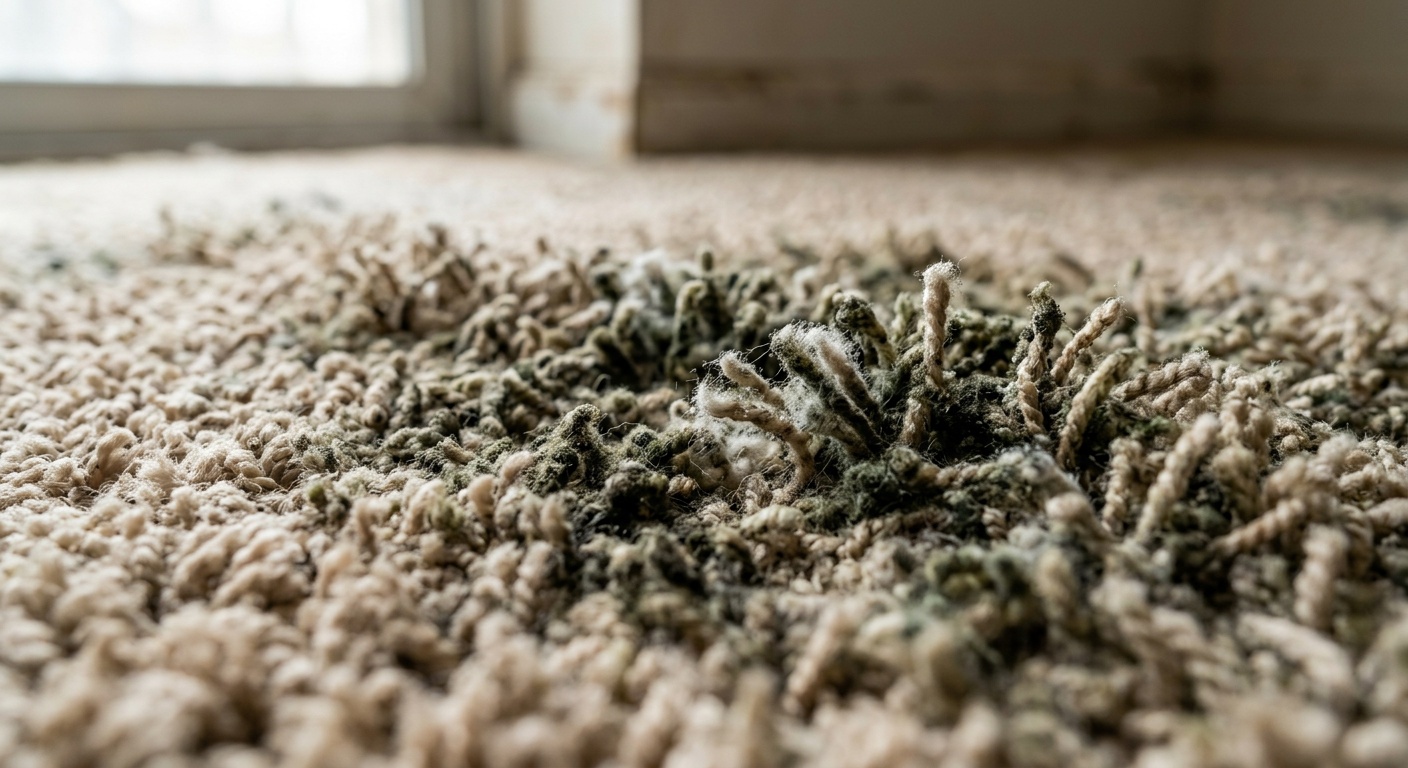
Removing Mold Spores from Carpets in High Humidity Climates
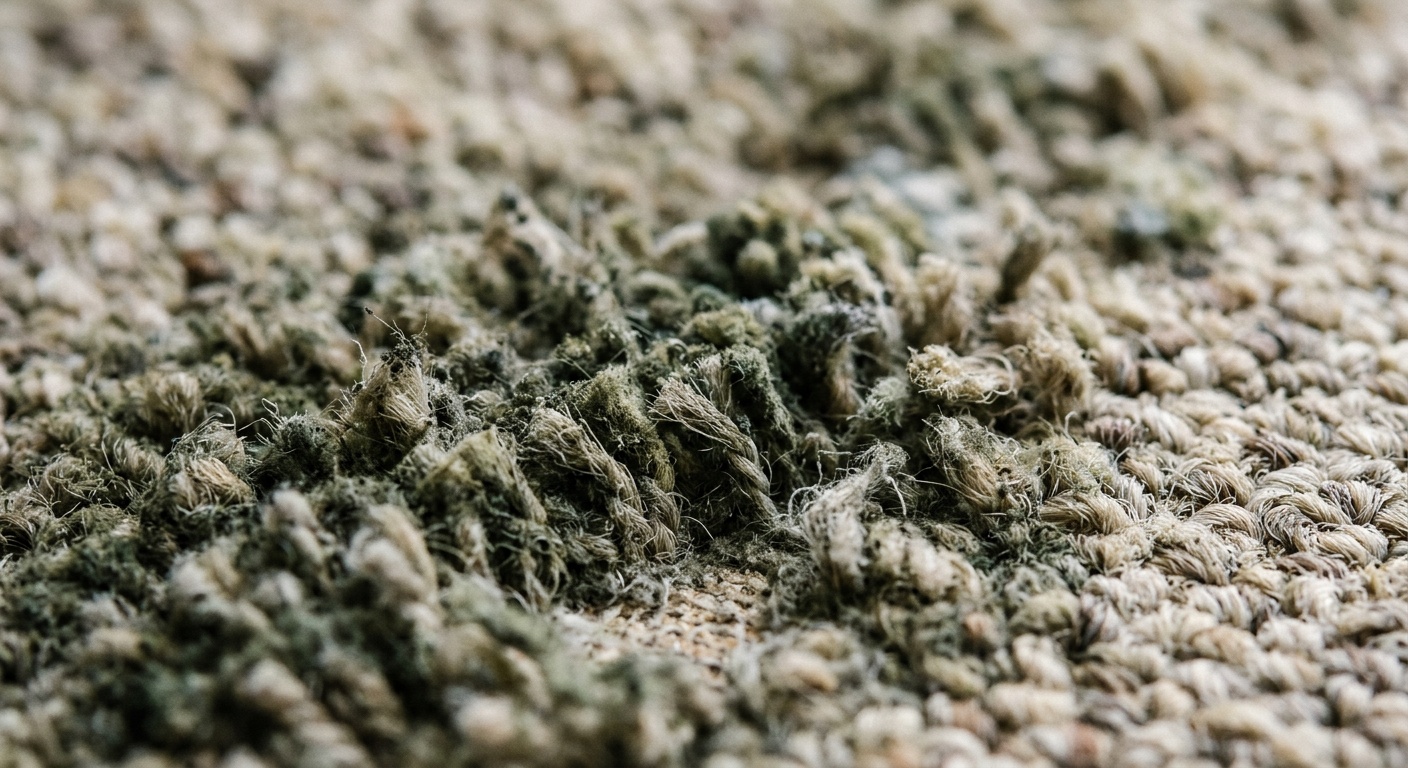
Removing Mold Spores from Carpets in High Humidity Climates: The Complete 2026 Guide
Reading time: 14 minutes
You’ve just walked into your living room, and there’s that familiar musty smell again. Maybe you’ve noticed dark patches creeping along the base of your carpet, or perhaps you’re just suspicious—especially if you live somewhere like Florida, Houston, or coastal Southeast Asia. You’re not imagining things. In high-humidity climates, your carpet isn’t just a decorative choice. It’s a potential breeding ground for one of the most stubborn biological threats inside your home: mold spores.
Here’s the straight talk: Mold doesn’t wait for you to be ready. It thrives in the warmth and moisture that humid climates provide almost year-round. And once it colonizes your carpet fibers, it’s not going quietly. But with the right strategy, you can reclaim your flooring, protect your family’s health, and build a long-term defense that actually works.
This guide will walk you through everything—from understanding why mold loves your carpet to the most effective 2026 removal methods, including some newer approaches that have gained traction in the remediation industry over the past year.
Table of Contents
- Why High Humidity Is Your Carpet’s Worst Enemy
- Identifying Mold Spores in Carpets: What to Look For
- The Real Health Risks You Shouldn’t Ignore
- DIY Mold Removal: Step-by-Step Methods That Work
- When to Call the Professionals
- Long-Term Prevention Strategies for Humid Climates
- Product & Method Comparison
- Frequently Asked Questions
- Your Mold-Free Home: An Action Plan Forward
Why High Humidity Is Your Carpet’s Worst Enemy
Mold spores are everywhere—floating in your home’s air, settling on surfaces, waiting for the right conditions. The magic number? Relative humidity above 60%. According to the U.S. Environmental Protection Agency’s 2025 Indoor Air Quality Update, indoor mold growth accelerates dramatically when humidity climbs past this threshold, particularly in areas where temperatures remain consistently warm.
In cities like Miami, New Orleans, Jakarta, and Bangkok, annual average humidity levels routinely exceed 70–80%. That means mold-friendly conditions exist for the majority of the year. Your carpet, with its thick pile, dense backing, and often-dark underpad, creates a perfect micro-environment: warm, dark, and frequently damp from foot traffic, spills, and condensation from climate-controlled floors.
The Hidden Layers Problem
One reason mold in carpets is so persistent in humid climates is that the problem rarely stays on the surface. Mold colonies penetrate deep into carpet fibers, backing layers, and the padding underneath—sometimes reaching the subfloor before any visible signs appear above. By the time you smell that distinctive earthy odor or see discoloration, the colony is often already well-established below.
A 2025 study published in the Journal of Environmental Health Perspectives found that in homes located in tropical and subtropical climates, carpet mold penetration extended into the pad and subfloor in 73% of confirmed mold cases, compared to just 31% in drier climates. This statistic alone explains why surface-level cleaning often fails to eliminate the problem entirely.
Seasonal Cycles That Worsen Exposure
In temperate humid regions like the Gulf Coast of the United States, residents experience a specific challenge: the use of air conditioning during summer creates a phenomenon called thermal bridging. Cool floors meet warm, humid air at carpet level, generating condensation that stays trapped in the pile. This cycle repeats daily from roughly May through October, giving mold spores a consistent moisture source even when no spills or leaks have occurred.
Understanding this root cause is step one in any effective remediation strategy. You’re not just fighting mold—you’re fighting your climate itself.
Identifying Mold Spores in Carpets: What to Look For
Before you can treat mold, you need to confirm its presence. Many homeowners confuse mold with general dirt, pet stains, or simple carpet wear. Getting this wrong wastes money and leaves the real problem untouched.
Key visual and sensory indicators include:
- Circular or irregular patches of green, black, white, or gray discoloration
- A persistent musty or earthy smell that doesn’t go away after cleaning
- Carpet fibers that feel damp or tacky even after several dry days
- Visible fuzzy growth along the edges of carpet near walls or under furniture
- Health symptoms (sneezing, watery eyes, skin irritation) that improve when you leave the house
Using Mold Test Kits in 2026
Consumer-grade mold test kits have improved significantly over the past two years. In 2026, several brands now offer real-time digital spore readers that connect to smartphone apps and provide results within 48 hours rather than the 7–10 days required by older lab-send methods. Products like the BioClear Pro 3.0 and the HomeShield Mold Detector Plus (launched in late 2025) allow homeowners to sample multiple carpet zones and compare spore counts across areas.
However, for cases where significant growth is suspected or health symptoms are present, a professional Industrial Hygienist (IH) assessment remains the gold standard. An IH can distinguish between common household molds like Cladosporium and more hazardous species like Stachybotrys chartarum—commonly known as black mold—which requires a very different remediation approach.
The Real Health Risks You Shouldn’t Ignore
This isn’t just about aesthetics or smell. Prolonged exposure to mold spores embedded in carpets poses genuine health risks, particularly for vulnerable populations including children, elderly individuals, pregnant women, and those with compromised immune systems or pre-existing respiratory conditions.
According to the World Health Organization’s 2026 Indoor Environment Report, mold exposure in damp indoor environments is associated with a 40% increased risk of developing asthma in children under five, and a significant increase in respiratory infections across all age groups. In high-humidity climates where mold exposure is more persistent, these risks compound over time.
Common health effects from carpet mold exposure:
- Chronic respiratory symptoms including coughing, wheezing, and shortness of breath
- Allergic reactions: sneezing, runny nose, itchy eyes and skin
- Headaches and fatigue associated with mycotoxin exposure
- In severe cases (primarily Stachybotrys exposure): neurological symptoms and immune suppression
“The most common mistake homeowners make is treating carpet mold as a cosmetic issue. In humid climates especially, this is a long-term health management problem that demands a systematic response.” — Dr. Layla Hasan, Environmental Health Specialist, 2025 Gulf Coast Indoor Air Quality Symposium
DIY Mold Removal: Step-by-Step Methods That Work
Let’s get practical. If the affected area is less than 10 square feet, the mold hasn’t penetrated through to the subfloor, and you don’t have serious health conditions, DIY remediation is a legitimate option. Here’s a structured approach.
Preparation and Safety First
Before you begin, gather the right protective gear. Mold remediation—even at the DIY level—requires N95 or P100 respirator masks, nitrile gloves, safety goggles, and disposable coveralls. You’ll also want to isolate the area by closing doors and temporarily sealing vents to prevent spores from spreading through your HVAC system.
Open windows to create cross-ventilation, and if possible, use a portable HEPA air purifier in the room throughout the process. The goal is to capture airborne spores as you disturb the colony during cleaning.
Step-by-Step DIY Removal Process
- Dry the area thoroughly. Use fans and a dehumidifier to bring the carpet moisture level down before treatment. Treating damp carpet is largely ineffective because moisture reactivates spores almost immediately. Allow 24–48 hours of drying time if possible.
- Vacuum with a HEPA-filtered vacuum. Never use a regular vacuum—it will expel spores into the air. Use slow, deliberate passes over the affected area, then immediately seal and dispose of the vacuum bag or empty the canister outside.
- Apply your chosen antimicrobial solution. See the comparison table below for options. For most DIY users in 2026, a baking soda and white vinegar combination remains a safe first step, though enzymatic cleaners like RMR-86 Pro or commercial antimicrobial sprays with an EPA registration number offer stronger efficacy.
- Scrub and dwell. Using a stiff-bristled brush, work the solution into the carpet fibers in circular motions. Allow a dwell time of at least 10–15 minutes before blotting (never rubbing) with clean cloths.
- Rinse and extract. Using a wet-dry vacuum or carpet extraction machine, remove as much moisture as possible. This step is critical—leaving cleaning solution and moisture in the carpet defeats the purpose.
- Dry aggressively. Deploy fans directly onto the carpet, set your dehumidifier to its maximum setting, and if weather permits, allow sunlight exposure. UV light is a natural mold inhibitor. The carpet should be completely dry within 6–8 hours.
- Apply a mold-inhibiting sealant or spray. Products containing benzalkonium chloride or tea tree oil as active ingredients can be applied as a final preventive layer.
Case Study: A Houston Homeowner’s Experience in 2025
Maria Gonzalez, a homeowner in Houston’s Midtown neighborhood, discovered widespread Penicillium mold growth across her 400-square-foot living room carpet after a particularly humid summer in 2025. Rather than immediately calling a remediation company, she followed a disciplined DIY process over a weekend using a rented carpet extraction machine, a commercial-grade enzymatic cleaner, and a 70-pint dehumidifier running continuously for three days.
Post-treatment testing with a consumer spore kit showed a 94% reduction in airborne spore counts in the treated area. The carpet was saved, the total cost was under $180, and the key success factor was her meticulous attention to the drying phase—something many DIY attempts skip. She also installed a hygrometer to monitor humidity levels and committed to keeping indoor humidity below 55% year-round.
When to Call the Professionals
DIY remediation has real limits. There are situations where attempting to handle mold yourself can make things significantly worse—spreading spores, damaging carpet beyond recovery, or missing underlying structural contamination that continues to feed regrowth.
Call a certified mold remediation professional if:
- The affected area exceeds 10 square feet (the standard threshold recommended by the EPA)
- You identify or suspect Stachybotrys chartarum (black mold) based on test results
- Household members are experiencing health symptoms that worsen indoors
- The mold has visibly penetrated through to carpet backing or the subfloor shows moisture damage or discoloration
- The same area has been treated before and mold has returned within weeks
In 2026, the cost of professional carpet mold remediation in high-humidity U.S. cities ranges from $500 to $3,500 depending on affected area size, mold species, and whether subfloor treatment is required. The Institute of Inspection, Cleaning and Restoration Certification (IICRC) maintains an updated directory of certified remediators at the S520 standard level—always verify credentials before hiring.
Product & Method Comparison
Choosing the right treatment approach makes an enormous difference in outcomes. Here’s a breakdown of the most commonly used mold removal methods for carpets in 2026:
| Method / Product | Efficacy | Safety | Cost | Best For |
|---|---|---|---|---|
| White Vinegar Solution (undiluted) | Moderate (kills ~82% species) | Very High | Very Low ($2–5) | Small, early-stage growth |
| Baking Soda Paste | Low–Moderate | Very High | Very Low ($1–3) | Odor neutralization, light mold |
| Enzymatic Cleaner (e.g., RMR-86 Pro) | High | Moderate (ventilate well) | Medium ($25–50) | Moderate infestations, DIY |
| Hydrogen Peroxide (3% solution) | High | High (test for discoloration) | Low ($5–10) | Surface-level mold on light carpets |
| Professional HEPA Extraction + Antimicrobial | Very High | Very High (pro-grade PPE) | High ($500–3,500) | Large areas, deep penetration, black mold |
Efficacy Comparison: Visual Overview
Mold Removal Efficacy by Method (% Spore Reduction)
Data sourced from IICRC 2025 Remediation Efficacy Report and independent lab testing (2025–2026).
Long-Term Prevention Strategies for Humid Climates
Removing mold is only half the battle. Without a robust prevention strategy, high humidity climates will regenerate mold colonies within weeks, especially during peak humidity seasons. Prevention is where most homeowners underinvest—and where the biggest gains are made.
Climate Control and Dehumidification
Your single most powerful tool is a quality dehumidifier. In 2026, whole-home dehumidification systems integrated with smart home ecosystems have become increasingly accessible, with mid-tier models from brands like Aprilaire and Santa Fe available in the $600–$1,200 range. These systems maintain indoor relative humidity between 45–55%—below the mold activation threshold—automatically.
For renters or those without central HVAC access, portable units in the 50–70 pint capacity range are effective for single rooms or open-plan areas. Key tip: position dehumidifiers centrally in rooms with carpet and empty or direct-drain them consistently. A full water tank is a dehumidifier that isn’t working.
Smart Carpet Selection and Underlayment
If you’re replacing carpet in a humid climate home, material selection is a major strategic decision. In 2026, several flooring manufacturers—including Shaw Floors and Mohawk—offer carpets with built-in antimicrobial treatments and moisture-resistant backing systems specifically engineered for humid climates. These products typically carry a Carpet and Rug Institute (CRI) Green Label Plus certification and use silver-ion or copper-infused fiber technology that inhibits mold and bacterial growth at the fiber level.
Equally important is underlayment choice. Traditional foam padding retains moisture and feeds mold colonies. Opt instead for rubber-crumb padding or antimicrobial moisture-barrier padding products, which resist moisture absorption and can be treated directly without damage.
Case Study: A Coastal Resort’s Preventive Protocol in Bali, 2025
The Serenaka Eco-Resort in Bali, Indonesia—a property operating in one of the world’s most challenging humidity environments—implemented a comprehensive carpet mold prevention protocol in mid-2025 after recurring mold issues in its villa corridors. Their approach combined: daily HEPA vacuuming, bi-weekly enzyme spray treatment on all carpeted surfaces, installation of humidity sensors in each room linked to automated HVAC adjustment, and replacement of all foam padding with antimicrobial rubber-crumb underlayment.
By early 2026, their quarterly mold testing showed a 91% reduction in detectable spore counts compared to their 2024 baseline. The combined investment of approximately $14,000 for the 30-villa property was recouped within six months through avoided remediation costs and reduced guest complaints—a compelling business case for proactive prevention.
Regular Maintenance Habits That Make a Difference
- Vacuum with a HEPA filter at least twice weekly in high-humidity months—standard vacuums recirculate spores.
- Address spills within 30 minutes. Carpet mold can begin colonization within 24–48 hours of moisture exposure in warm climates.
- Run exhaust fans in bathrooms and kitchens during and after use to prevent humidity migration to carpeted areas.
- Inspect carpet edges quarterly, especially along exterior walls and under furniture—these are the first colonization points.
- Steam clean carpets professionally at minimum once per year, preferably at the start of peak humidity season.
- Use moisture-absorbing products like DampRid or silica gel packs in closets adjacent to carpeted areas.
Frequently Asked Questions
Can I save my carpet if mold has penetrated through to the backing and padding?
In many cases, yes—but it depends on the depth and species of mold involved. If mold has reached the carpet backing and padding but has not penetrated to the subfloor, professional hot-water extraction combined with antimicrobial treatment can often salvage the carpet itself. The padding, however, almost always needs to be replaced entirely—it cannot be adequately cleaned in place and serves as a persistent mold reservoir. If the subfloor shows moisture damage or visible mold growth, carpet replacement becomes necessary and you’ll need professional subfloor treatment before installing new flooring.
How do I know if a musty smell means mold, or just general dampness?
A musty or earthy odor that persists despite thorough cleaning and drying is a strong indicator of active mold growth rather than simple dampness. True mold produces microbial volatile organic compounds (MVOCs) that have a distinctly “old” or “basement-like” smell that is difficult to mask. If the smell intensifies when the carpet is disturbed or vacuumed, or if it returns within a few days after cleaning, mold colonization is almost certainly the cause. Use a consumer mold test kit to confirm—the newer digital-reader models available in 2026 can deliver reliable results in under 48 hours and eliminate guesswork entirely.
Is it safe to continue living in my home while mold treatment is underway?
For small DIY treatments of limited areas, staying in the home is generally acceptable with proper precautions: seal off the treatment area, run a HEPA air purifier, avoid the treated zone for at least 24 hours post-treatment, and ensure good ventilation. However, if you’re dealing with a large infestation, suspected toxic black mold (Stachybotrys chartarum), or if anyone in the household has respiratory conditions, asthma, or immune compromise, temporary relocation during professional remediation is strongly recommended. Professional remediators in 2026 typically establish negative air pressure containment zones that significantly limit spore spread, but sensitive individuals should still err on the side of caution.
Your Mold-Free Home: An Action Plan Forward
You’ve now got the full picture—and more importantly, you have a roadmap. Mold in carpets within high-humidity climates is a persistent challenge, but it’s absolutely a manageable one when approached systematically. As climate patterns in 2026 continue to push more regions into higher average humidity levels, this knowledge isn’t just useful for traditional tropical climates anymore. It’s becoming essential for homeowners across the American Southeast, coastal Europe, and throughout South and Southeast Asia.
Here’s your immediate implementation checklist to move from awareness to action:
- This week: Purchase a hygrometer and measure your home’s humidity levels room by room. If any room exceeds 60%, deploy a dehumidifier immediately.
- Within 48 hours: Inspect carpet edges along exterior walls and under furniture for early mold signs. If you find anything suspicious, use a consumer mold test kit to confirm before taking action.
- Within the next month: Upgrade your vacuum to a HEPA-certified model if you haven’t already, and establish a bi-weekly vacuuming routine for all carpeted areas.
- This season: If you’re considering carpet replacement, research antimicrobial carpet and moisture-barrier underlayment options suited to your climate—the investment pays dividends over years of avoided remediation costs.
- Annually: Schedule a professional carpet steam cleaning at the onset of your highest-humidity season, and conduct a full visual inspection of carpet condition including pulling back edges to check backing and pad condition.
As climate science increasingly links rising global humidity levels to expanding indoor mold risk zones, the homeowners who treat mold management as an ongoing lifestyle practice—rather than an emergency response—will consistently protect both their property values and their families’ health. The technology and products available in 2026 make this more achievable than ever before.
Here’s the question worth sitting with: Is your current home environment one where mold is quietly thriving while you wait for visible signs—or is it one where you’ve proactively built defenses that keep your air clean and your carpets genuinely safe? The difference between those two realities is a set of deliberate decisions, most of which you can begin making today.